The Complete Guide to Choosing a Washington DC Neighborhood
Discover the distinct characteristics, lifestyle amenities, and investment potential of DC's most desirable residential neighborhoods.

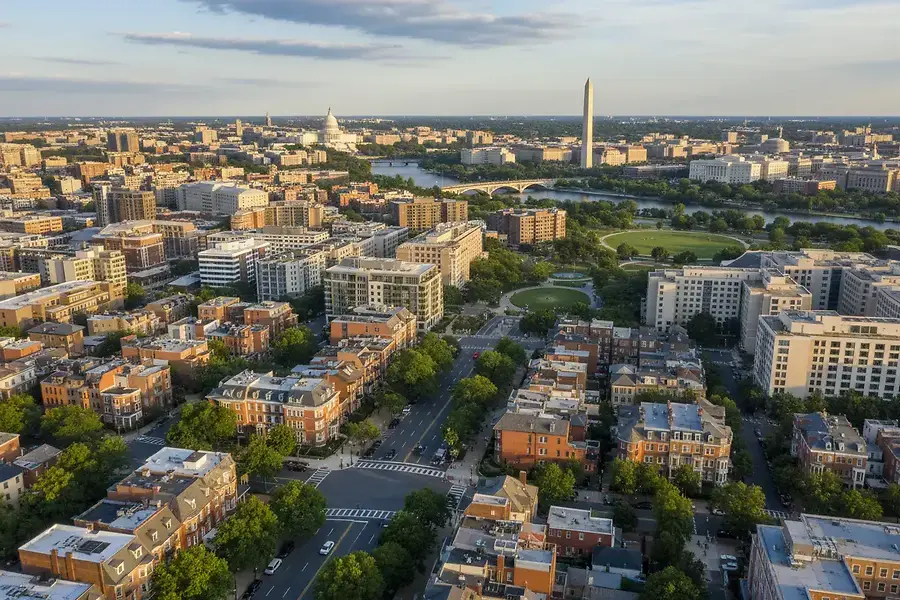
Introduction: Why Neighborhood Selection Matters for DC Homebuyers
Choosing the right neighborhood in Washington DC is one of the most important decisions you'll make as a homebuyer. Your neighborhood determines not only your daily lifestyle and commute experience but also your long-term investment returns and quality of life. DC's diverse neighborhoods each offer distinct personalities, amenities, and opportunities, making it essential to understand what each area has to offer before making your decision.
Whether you're a young professional seeking vibrant nightlife, a family looking for excellent schools, or an investor hunting for growth potential, DC has a neighborhood tailored to your needs. This guide will help you navigate the capital's most desirable residential areas and make an informed choice.
Top Washington DC Neighborhoods: Features, Demographics, and School Districts
Capitol Hill
Capitol Hill remains one of DC's most sought-after neighborhoods, known for its historic charm and vibrant community. The area features stunning Victorian rowhouses, tree-lined streets, and a thriving restaurant and bar scene along H Street and Barracks Row.
- Demographics: Young professionals and families, median age around 35
- Schools: Highly-rated public schools including Miner Elementary and Woodridge Elementary
- Lifestyle: Walkable streets, excellent public transportation, diverse dining options
- Investment Potential: Strong appreciation rates with consistent demand
Georgetown
Georgetown is synonymous with prestige and elegance in DC. This historic neighborhood boasts beautiful Federal-era architecture, upscale shopping on M Street, and waterfront access along the Potomac River.
- Demographics: Affluent professionals and established families
- Schools: Access to top-rated private and public schools
- Lifestyle: Fine dining, luxury shopping, cultural institutions, and waterfront parks
- Investment Potential: Premium pricing with stable, long-term value
Dupont Circle
Dupont Circle attracts young professionals and creative types with its bohemian atmosphere, independent bookstores, galleries, and eclectic dining scene. The iconic Dupont Circle Park serves as the neighborhood's social hub.
- Demographics: Young professionals, artists, and LGBTQ+ community
- Schools: Strong public school options nearby
- Lifestyle: Vibrant nightlife, cultural events, walkable streets, diverse community
- Investment Potential: Steady appreciation with strong rental demand
U Street Corridor
U Street Corridor has experienced remarkable revitalization, transforming into a trendy neighborhood with new restaurants, bars, and boutiques. The area celebrates its rich African American cultural heritage while embracing modern development.
- Demographics: Young professionals, creative entrepreneurs, diverse community
- Schools: Improving school options with ongoing development
- Lifestyle: Emerging food scene, live music venues, street art, community events
- Investment Potential: High growth potential with ongoing revitalization
Woodley Park
Woodley Park offers a more residential, family-friendly atmosphere while maintaining excellent walkability. The neighborhood is home to the National Zoo and features beautiful tree-lined streets and green spaces.
- Demographics: Families, established professionals, diverse community
- Schools: Excellent public schools including Murch Elementary and Deal Middle School
- Lifestyle: Parks and recreation, family-friendly restaurants, community events
- Investment Potential: Stable appreciation with strong family appeal
Evaluating Commute Times, Walkability, and Local Amenities
Public Transportation Access
DC's Metro system is a major advantage for neighborhood selection. Consider proximity to Metro stations when evaluating neighborhoods, as this significantly impacts your daily commute and quality of life. Neighborhoods along the Red, Blue, and Orange lines typically offer the most convenient access to major employment centers.
Walkability Scores
A neighborhood's walkability determines whether you can accomplish daily tasks on foot. Look for areas with:
- Grocery stores and farmers markets within walking distance
- Coffee shops, restaurants, and retail options nearby
- Safe, well-maintained sidewalks and pedestrian infrastructure
- Parks and recreational facilities
Local Amenities and Lifestyle
Beyond basic necessities, consider what amenities matter most to you. Do you prioritize:
- Dining and Entertainment: Diverse restaurant options, bars, and nightlife
- Cultural Institutions: Museums, theaters, galleries, and performance venues
- Fitness and Wellness: Gyms, yoga studios, parks, and outdoor recreation
- Shopping: Retail options from boutiques to major chains
- Community Events: Farmers markets, street festivals, and neighborhood gatherings
School Quality and Family Considerations
If you have children or plan to, school quality should heavily influence your neighborhood choice. Research test scores, graduation rates, and parent reviews. Many neighborhoods offer both excellent public and private school options, so evaluate what works best for your family's needs.
Safety and Community Character
Visit neighborhoods at different times of day to get a genuine feel for safety and community character. Talk to current residents, explore local businesses, and attend community events. The right neighborhood should feel like home from day one.
Conclusion: Making Your Neighborhood Choice with Confidence
Selecting a Washington DC neighborhood requires balancing multiple factors: commute convenience, lifestyle preferences, school quality, investment potential, and personal values. Each of DC's neighborhoods offers unique advantages, and the best choice depends entirely on your individual priorities and circumstances.
Take time to explore neighborhoods thoroughly before making your decision. Walk the streets, visit local businesses, and imagine yourself living there. Consider both your current needs and future plans, as your neighborhood choice will shape your DC experience for years to come.
With this comprehensive guide in hand, you're well-equipped to navigate DC's real estate market and find the neighborhood that perfectly matches your vision for life in the nation's capital.