The Complete Guide to Choosing the Right Omaha Neighborhood
Discover the key factors successful homebuyers use to assess neighborhoods and find the perfect fit for their family in Omaha.

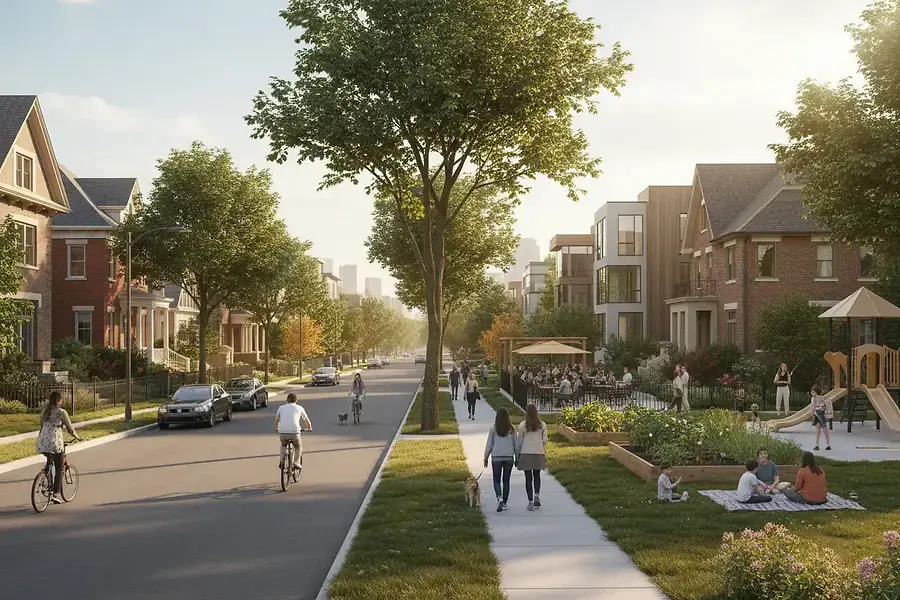
Understanding Omaha's Diverse Neighborhood Characteristics
Omaha is a vibrant city with neighborhoods as diverse as the families who call it home. From historic Old Market charm to modern suburban developments, each area offers unique character and lifestyle opportunities. Understanding what makes each neighborhood distinct is the first step toward finding your perfect fit.
The city's neighborhoods vary significantly in age, architecture, and community atmosphere. Some areas feature tree-lined streets with established homes dating back decades, while others showcase contemporary construction and planned communities. Take time to explore different districts to get a genuine feel for the lifestyle each offers.
Historic vs. Modern Communities
Historic neighborhoods like Dundee and Benson offer charm, walkability, and established community character. These areas typically feature:
- Mature trees and established landscaping
- Unique architectural styles and character homes
- Walkable streets with local shops and restaurants
- Strong neighborhood pride and community events
Modern suburban neighborhoods provide newer construction, planned amenities, and growing communities. These areas often include:
- Contemporary home designs and energy-efficient features
- Planned community amenities like parks and pools
- Newer schools and updated infrastructure
- Family-focused developments and activities
Essential Factors to Research: Schools, Amenities, and Safety
Before committing to a neighborhood, thorough research is essential. The right neighborhood isn't just about the house—it's about the entire lifestyle and community environment.
School Quality and Educational Opportunities
For families with children, school quality often tops the priority list. Research school ratings, test scores, and educational programs available in your target neighborhoods. Consider:
- Elementary, middle, and high school options
- School ratings and academic performance data
- Special programs like gifted education or arts
- Distance from your potential home
- School community involvement and parent engagement
Amenities and Lifestyle Features
Different neighborhoods offer different amenities. Identify what matters most to your family:
- Parks and Recreation: Proximity to parks, trails, and outdoor spaces
- Shopping and Dining: Nearby retail, restaurants, and entertainment options
- Community Centers: Fitness facilities, libraries, and cultural venues
- Commute Convenience: Access to major employers and highways
- Healthcare: Nearby hospitals and medical facilities
Safety and Crime Statistics
Safety is paramount when choosing a neighborhood. Review crime statistics through local police departments and online resources. Visit neighborhoods at different times of day to assess the environment firsthand. Talk to current residents about their safety experiences and neighborhood watch programs.
Comparing Home Values and Market Trends Across Neighborhoods
Understanding the real estate market in different neighborhoods helps you make a financially sound decision.
Price Trends and Home Values
Research how home values have changed over recent years in your target neighborhoods. Look for:
- Average home prices and price per square foot
- Historical price trends over the past 3-5 years
- Projected growth and market forecasts
- Days on market and inventory levels
- Comparable sales in the area
Smart homebuyers understand that a neighborhood's market trajectory can significantly impact their investment's long-term value.
Neighborhood Investment Potential
Some neighborhoods are experiencing revitalization and growth, while others maintain stable, established markets. Consider whether you're looking for:
- Emerging neighborhoods with growth potential
- Established neighborhoods with stable values
- Areas undergoing renovation and improvement
- Communities with planned development projects
Making Your Final Decision: Site Visits and Local Insights
Research is important, but nothing replaces experiencing a neighborhood in person.
Strategic Neighborhood Visits
Plan visits to your top neighborhoods at different times:
- Weekday mornings: See school traffic and commute patterns
- Weekday afternoons: Observe after-school activities and community life
- Evenings and weekends: Experience neighborhood atmosphere and social activity
- Different seasons: Understand how the area changes throughout the year
Connecting with Local Residents
Current residents provide invaluable insights. Strike up conversations at parks, coffee shops, or community events. Ask about:
- What they love about the neighborhood
- Any challenges or concerns they've experienced
- Long-term plans and neighborhood changes
- Recommendations for schools, services, and activities
- Whether they'd recommend the area to others
Working with Local Real Estate Professionals
A knowledgeable real estate agent familiar with Omaha neighborhoods is an invaluable resource. They can provide market insights, neighborhood history, and insider knowledge that helps you make confident decisions. Don't hesitate to ask detailed questions about neighborhoods that interest you.
Trust Your Instincts
After gathering data and visiting neighborhoods, trust your gut feeling. The right neighborhood should feel like home. Consider how you envision your daily life there—your morning commute, weekend activities, and long-term happiness in the community.
Choosing the right Omaha neighborhood requires balancing practical factors like schools and safety with emotional connections to community and lifestyle. By thoroughly researching, visiting in person, and connecting with residents, you'll find the neighborhood that's perfect for your family's unique needs and dreams.


