The Complete Guide to Choosing Your Perfect DFW Neighborhood
Discover which Dallas-Fort Worth communities offer the best value, lifestyle, and investment potential for your family.

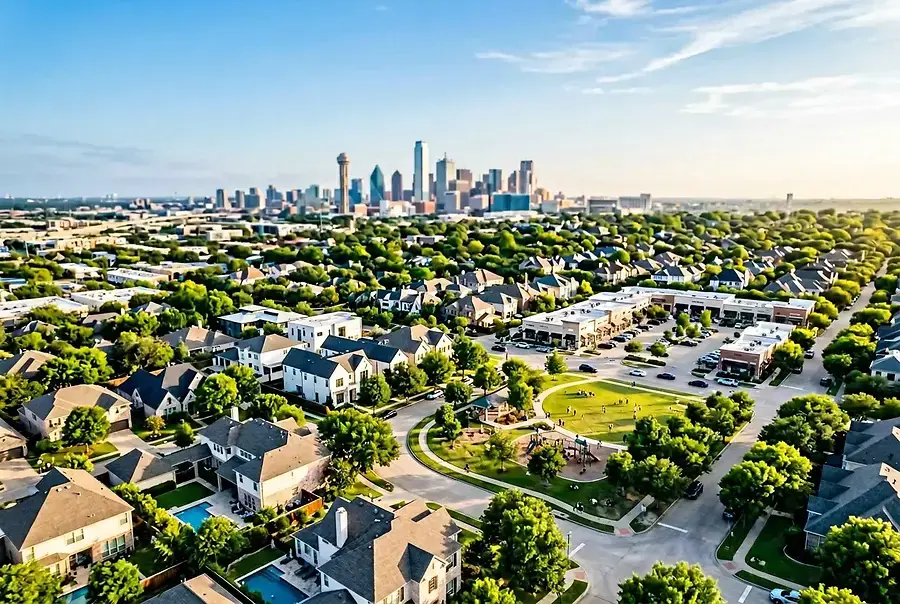
Understanding the DFW Real Estate Market: Key Neighborhoods and Price Ranges
The Dallas-Fort Worth metroplex has become one of the fastest-growing regions in the United States, attracting families, professionals, and investors from across the country. With such rapid expansion comes an incredible diversity of neighborhoods, each offering unique characteristics and price points.
The DFW market can be broadly categorized into several tiers:
- Luxury Communities: Areas like Highland Park, University Park, and Preston Hollow command premium prices, often exceeding $1 million for established homes. These neighborhoods feature tree-lined streets, prestigious schools, and exclusive amenities.
- Upper-Middle Market: Communities such as Plano, Frisco, and Arlington offer homes ranging from $500,000 to $1 million, combining modern developments with established infrastructure.
- Mid-Range Options: Neighborhoods like McKinney, Lewisville, and parts of Irving provide excellent value with homes between $300,000 and $500,000, appealing to growing families and first-time buyers.
- Emerging Areas: Neighborhoods in Prosper, Celina, and Forney offer newer construction and competitive pricing below $400,000, perfect for budget-conscious buyers seeking growth potential.
Understanding these market segments helps you narrow your search and identify neighborhoods that align with your financial capacity and long-term goals.
Lifestyle & Amenities: What Each Community Offers Beyond Square Footage
Urban Living and Entertainment
If you crave walkability and vibrant nightlife, Dallas's Uptown and Deep Ellum districts offer loft-style living with restaurants, galleries, and entertainment venues within steps of your home. These neighborhoods attract young professionals and empty nesters seeking an active urban lifestyle.
Family-Friendly Communities
Frisco and Plano have earned reputations as premier family destinations. These communities boast:
- Top-rated school districts with consistent academic excellence
- Extensive parks and recreational facilities
- Family-oriented events and community programs
- Safe neighborhoods with strong community engagement
Suburban Comfort with Urban Access
McKinney and Denton offer the perfect balance—charming downtown areas with local shops and restaurants, combined with suburban tranquility. These communities appeal to those seeking small-town character without sacrificing access to big-city amenities.
Outdoor Recreation and Nature
For nature enthusiasts, areas near the Trinity River and communities surrounding Lake Lewisville provide outdoor recreation opportunities including hiking, biking, water sports, and scenic parks.
Investment Potential: Growth Trends and Long-Term Value in Your Target Area
High-Growth Corridors
The Dallas-Fort Worth metroplex continues to experience robust population growth, with certain corridors showing exceptional investment potential. Northern suburbs like Frisco, Plano, and McKinney have seen consistent appreciation due to corporate relocations and population influx. These areas benefit from:
- Major employer headquarters and corporate campuses
- Planned infrastructure improvements and transportation projects
- Expanding commercial and retail development
- Strong job market diversity across multiple industries
Emerging Investment Opportunities
Savvy investors are looking beyond established neighborhoods to emerging areas like Prosper, Celina, and Forney. These communities offer:
- Lower entry prices with significant appreciation potential
- New construction with modern amenities and energy efficiency
- Planned master-planned communities with long-term development
- Growing job centers and commercial development
Stable, Established Neighborhoods
Highland Park, University Park, and Preston Hollow represent stable investments with consistent value retention. While appreciation may be slower than emerging areas, these neighborhoods offer:
- Proven long-term stability and desirability
- Strong rental markets and investment returns
- Excellent schools and community reputation
- Limited new construction, supporting property values
Making Your Decision: How to Evaluate Communities Based on Your Priorities
Step 1: Define Your Non-Negotiables
Begin by identifying what matters most to your family. Create a priority list including:
- Budget and financing capacity
- School district quality and ratings
- Commute time to work or key locations
- Lifestyle preferences (urban, suburban, or rural)
- Community amenities and recreation options
Step 2: Research Thoroughly
Visit neighborhoods at different times of day and week. Explore local schools, parks, shopping areas, and restaurants. Talk to current residents about their experiences, neighborhood trends, and any concerns. Check crime statistics, property tax rates, and homeowners association fees.
Step 3: Evaluate Long-Term Potential
Consider not just today's market but where the neighborhood is headed. Research planned developments, infrastructure projects, and employment growth. A neighborhood with strong fundamentals and growth catalysts will likely provide better long-term value than one showing stagnation.
Step 4: Work with Local Experts
Partner with a knowledgeable real estate agent who specializes in DFW neighborhoods. They can provide market insights, comparable sales data, and guidance on emerging opportunities that align with your goals.
Step 5: Trust Your Instincts
After analyzing data and visiting communities, pay attention to how you feel in each neighborhood. The best choice combines financial sense with emotional connection—you should envision your family thriving there.
Conclusion
Choosing the perfect DFW neighborhood requires balancing multiple factors: price, lifestyle, schools, investment potential, and personal preferences. The Dallas-Fort Worth region's diversity means there's truly something for everyone, whether you're seeking urban excitement, suburban comfort, or emerging growth opportunities. By following this guide and conducting thorough research, you'll find the neighborhood that's perfect for your family's next chapter.


