The Complete Guide to Commercial Property Inspections and Evaluations
Learn what professional inspectors look for and how thorough evaluations protect your investment.

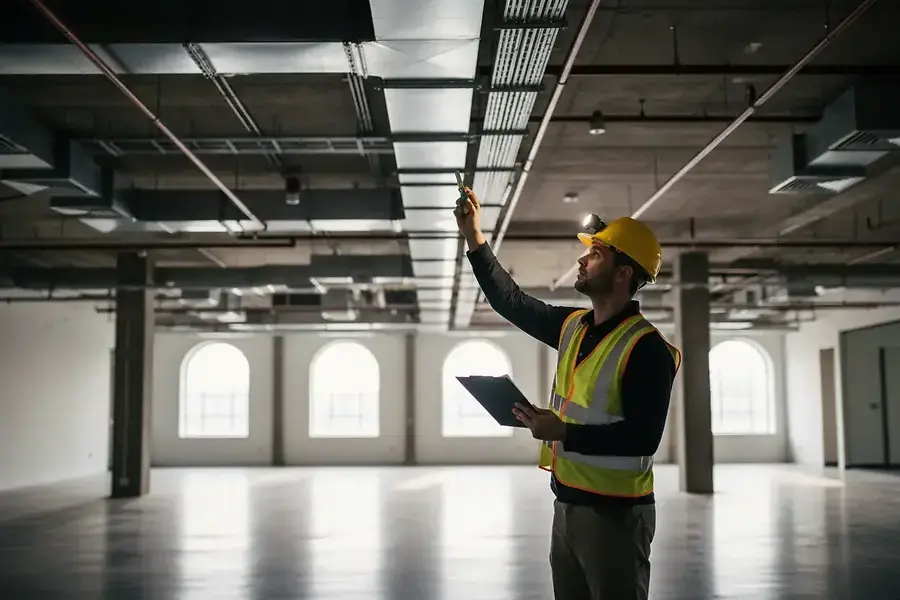
Why Commercial Property Inspections Matter
Commercial property inspections are a critical investment protection tool that many business owners and investors overlook. Whether you're purchasing a new office building, retail space, or industrial facility, a thorough professional inspection can save you thousands of dollars in unexpected repairs and maintenance costs. Unlike residential properties, commercial real estate involves more complex systems, larger square footage, and greater financial stakes, making comprehensive evaluations absolutely essential.
A professional inspection provides an objective assessment of a property's condition, identifying potential issues before you commit to a purchase or lease. This due diligence process gives you the information needed to negotiate better terms, request repairs, or make an informed decision about whether the property aligns with your business needs and budget.
Key Areas to Inspect: Structural, Mechanical, and Safety Systems
Structural Integrity
The foundation and structural framework of a commercial property form the backbone of the entire building. Professional inspectors examine:
- Foundation and basement conditions – checking for cracks, water damage, and settling issues
- Roof condition – assessing age, material quality, and signs of leaks or deterioration
- Walls and exterior – evaluating masonry, siding, windows, and doors for damage or wear
- Interior walls and ceilings – identifying structural concerns and water stains
Structural problems can be expensive to repair and may affect the property's usability and safety. A compromised foundation or failing roof can lead to business interruptions and liability issues.
Mechanical Systems
Commercial buildings rely on sophisticated mechanical systems that require regular maintenance and eventual replacement. Inspectors thoroughly evaluate:
- HVAC systems – heating, ventilation, and air conditioning units that keep the space comfortable
- Electrical systems – panel capacity, wiring condition, and code compliance
- Plumbing infrastructure – water supply, drainage, and fixture functionality
- Fire suppression systems – sprinklers, alarms, and emergency equipment
These systems are vital for daily operations. Understanding their age, condition, and remaining lifespan helps you budget for future replacements and avoid costly emergency repairs.
Safety and Compliance Systems
Commercial properties must meet strict safety codes and regulations. Professional inspectors check:
- Fire safety equipment – extinguishers, alarms, and emergency exits
- ADA compliance – accessibility features for employees and customers with disabilities
- Hazardous materials – asbestos, lead paint, and mold presence
- Emergency lighting and exits – proper illumination and clear pathways
Non-compliance with safety regulations can result in fines, lawsuits, and operational shutdowns. Identifying these issues early allows you to address them proactively.
Red Flags and Common Issues Found During Commercial Inspections
Water Damage and Moisture Problems
Water intrusion is one of the most common and costly issues found in commercial properties. Inspectors look for stains, soft spots, and mold growth that indicate current or past water damage. Roof leaks, poor drainage, and foundation cracks are frequent culprits. Addressing moisture problems promptly prevents structural decay and mold-related health hazards.
Aging Infrastructure
Older commercial buildings often have outdated systems nearing the end of their lifespan. HVAC units, electrical panels, and plumbing fixtures that are 15-20 years old may fail soon, requiring significant replacement investments. Inspectors provide age assessments and remaining useful life estimates to help you plan capital expenditures.
Code Violations and Non-Compliance
Many commercial properties have minor code violations that accumulate over time. These might include improper electrical installations, inadequate emergency exits, or accessibility issues. While some violations are minor, others can trigger fines or prevent you from obtaining necessary permits for business operations.
Deferred Maintenance
Properties with a history of deferred maintenance often have cascading problems. Neglected roof maintenance leads to leaks, which cause structural damage and mold growth. Skipped HVAC servicing reduces efficiency and shortens equipment lifespan. A thorough inspection reveals the extent of deferred maintenance and helps you understand the true cost of ownership.
Environmental Concerns
Older commercial buildings may contain hazardous materials like asbestos insulation, lead-based paint, or underground storage tanks. Environmental inspections identify these concerns, which can affect property value, usability, and your liability as the owner.
Making Informed Decisions with Professional Inspection Data
A comprehensive commercial property inspection provides invaluable data that empowers you to make confident investment decisions. Use inspection findings to negotiate repairs or price reductions with the seller. If major issues are discovered, you can request that the seller address them before closing or adjust your offer accordingly.
Beyond the purchase decision, inspection reports serve as a baseline for ongoing property management. They help you prioritize maintenance tasks, budget for future repairs, and plan capital improvements. Regular follow-up inspections every few years ensure that new issues are caught early before they become expensive problems.
Professional inspectors bring expertise and objectivity that you cannot achieve independently. They understand building codes, mechanical systems, and common failure patterns. Their detailed reports provide documentation that protects you legally and financially.
Whether you're a seasoned commercial real estate investor or a first-time business owner, investing in a thorough professional inspection is one of the smartest decisions you can make. The cost of an inspection is minimal compared to the potential savings from identifying problems early and negotiating better terms. Don't let hidden issues derail your commercial real estate investment—prioritize professional inspections and evaluations as a core part of your due diligence process.


