The Complete Guide to Commercial Zoning Laws in Louisville
Navigate zoning regulations and restrictions to find the perfect commercial property for your business needs.

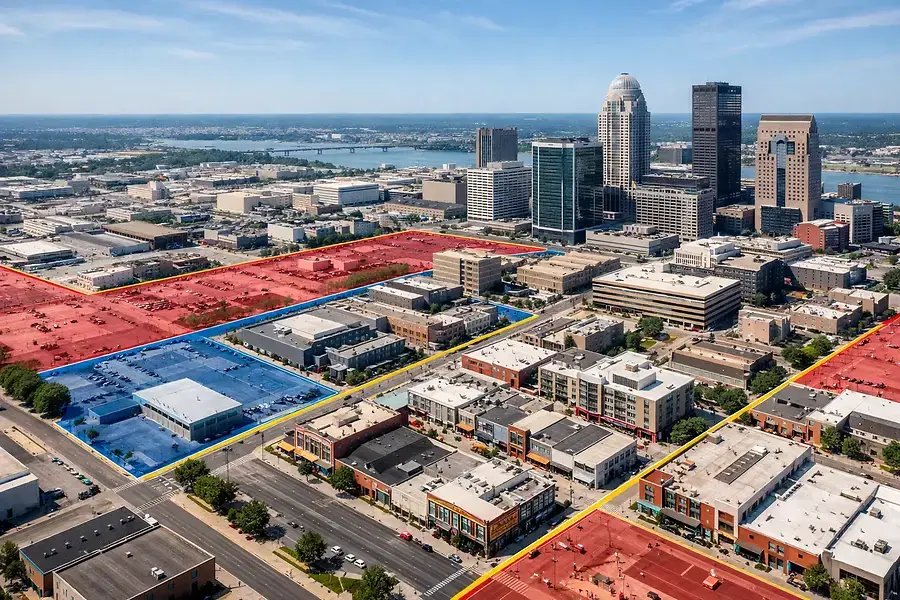
Understanding Zoning's Impact on Commercial Real Estate
Commercial zoning laws are the backbone of urban planning and property development in Louisville. These regulations determine what types of businesses can operate in specific areas, how buildings can be constructed, and what activities are permitted on commercial properties. For business owners and investors, understanding these zoning requirements is essential to making informed decisions about where to locate or expand operations.
Zoning laws serve multiple purposes: they protect residential neighborhoods from industrial pollution, ensure adequate infrastructure for commercial districts, and maintain the character of different areas throughout the city. When you're searching for the perfect commercial property, zoning regulations will directly influence your options, costs, and long-term success. Ignoring these rules can lead to costly mistakes, legal complications, and failed business ventures.
Why Zoning Matters for Your Business
Before signing any lease or purchase agreement, you need to understand the zoning classification of your potential property. The wrong location could mean:
- Inability to operate your business – Your business type may be prohibited in that zone
- Costly renovations – You may need to modify the space to comply with zoning requirements
- Future restrictions – Zoning changes could impact your operations down the road
- Reduced property value – Non-compliant properties are harder to sell or lease
Louisville's Zoning Districts and What They Mean for Businesses
Louisville's zoning system is divided into several distinct districts, each with specific regulations and permitted uses. Understanding these categories will help you identify suitable locations for your commercial venture.
Commercial Districts (C-1, C-2, C-3)
C-1 Neighborhood Commercial zones are designed for small-scale retail and service businesses that serve local communities. These areas typically allow convenience stores, restaurants, professional offices, and similar low-impact businesses. C-1 zones are usually found near residential neighborhoods and have stricter parking and signage requirements.
C-2 General Commercial districts accommodate a broader range of businesses, including larger retail operations, shopping centers, and office complexes. These zones offer more flexibility than C-1 and are ideal for businesses that need higher visibility and traffic volume. C-2 areas are often located along major thoroughfares and commercial corridors.
C-3 Regional Commercial zones are reserved for large-scale commercial operations, including regional shopping centers, hotels, and major retail chains. These districts have the fewest restrictions and are designed to support significant commercial development and high-volume customer traffic.
Industrial and Manufacturing Zones
Louisville's industrial zones (M-1, M-2, M-3) are designated for manufacturing, warehousing, and heavy industrial operations. If your business involves production, storage, or distribution, you'll need to locate in an appropriately zoned industrial area. These zones are typically separated from residential and commercial districts to minimize conflicts and environmental concerns.
Mixed-Use and Special Districts
Louisville also features mixed-use zones that allow a combination of residential, commercial, and office spaces in the same development. These districts are increasingly popular for creating vibrant, walkable communities. Special overlay districts may apply additional restrictions or permissions on top of base zoning classifications, particularly in historic neighborhoods or downtown areas.
How Zoning Affects Property Value, Accessibility, and Growth Potential
Impact on Property Value
Zoning classifications directly influence commercial property values. Properties in high-demand commercial zones with fewer restrictions typically command higher prices. Conversely, properties with limited permitted uses or in declining commercial areas may be significantly undervalued. When evaluating a property investment, always consider whether the zoning allows for future expansion or alternative uses if your business needs change.
Properties in well-established commercial zones with strong market demand can appreciate significantly over time, making them valuable long-term investments for your business.
Accessibility and Customer Reach
Zoning determines where customers can easily access your business. A C-3 regional commercial zone on a major highway offers excellent visibility and accessibility, while a C-1 neighborhood zone may limit your customer base to local residents. Consider your target market and whether the zoning classification supports your business model and growth projections.
Growth Potential and Future Flexibility
As your business grows, you may need to expand operations, add services, or modify your space. Zoning restrictions can either facilitate or hinder these changes. Properties in zones with broader permitted uses offer more flexibility for evolution and adaptation. Before committing to a location, research whether the zoning allows for the growth trajectory you envision.
Conditional Uses and Variances
If your ideal property doesn't perfectly match your business needs, you may be able to request a conditional use permit or variance from Louisville's planning department. These exceptions allow certain uses that aren't normally permitted in a zone, though approval isn't guaranteed. The process can be time-consuming and expensive, so it's best to find a property that already matches your requirements.
Working With a Local Expert to Maximize Your Commercial Investment
Navigating Louisville's zoning laws can be complex, especially if you're new to the area or unfamiliar with commercial real estate regulations. Working with a local commercial real estate professional or attorney who specializes in zoning matters is invaluable. These experts can:
- Identify properties that meet your specific zoning requirements
- Explain how zoning changes might affect your investment
- Guide you through the conditional use permit process if needed
- Ensure your business plan complies with all local regulations
- Negotiate lease or purchase terms with zoning considerations in mind
Before making any commercial real estate decision in Louisville, take time to understand the zoning landscape. Research the specific zoning classification of any property you're considering, verify that your business type is permitted, and consider how zoning might impact your long-term success. By doing your due diligence and seeking expert guidance, you'll be well-positioned to find the perfect commercial property that supports your business goals and protects your investment for years to come.


