The Complete Guide to Florida Home Inspections for Smart Buyers
Protect your investment by understanding what inspectors look for and red flags that could affect your purchase decision.

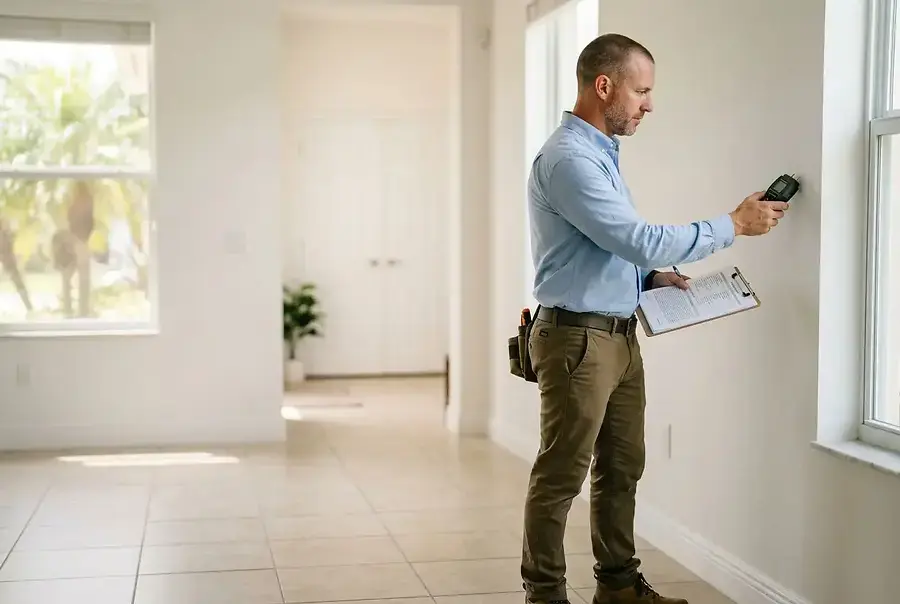
Why Home Inspections Matter in the Florida Real Estate Market
Purchasing a home is one of the most significant financial decisions you'll make in your lifetime. In Florida's competitive real estate market, a professional home inspection is your best defense against costly surprises after closing. A thorough inspection provides an objective assessment of your potential property's condition, helping you understand exactly what you're buying.
Florida's unique climate presents specific challenges that inspectors must evaluate. The state's humidity, salt air, and intense sun exposure can accelerate wear and tear on homes. Additionally, Florida's susceptibility to hurricanes, flooding, and water intrusion issues makes inspections even more critical. By investing in a comprehensive inspection, you gain valuable information that can influence your purchase price, repair negotiations, and long-term maintenance planning.
Common Issues Found in Florida Homes and What They Mean for Buyers
Water Intrusion and Moisture Problems
Water damage is the most prevalent issue inspectors find in Florida homes. The state's high humidity and heavy rainfall create ideal conditions for moisture problems. Inspectors look for signs of water stains, mold growth, and structural damage in attics, basements, and crawl spaces. If left unaddressed, water intrusion can lead to expensive repairs and health hazards.
Roof Condition and Hurricane Preparedness
Florida's roofs endure constant assault from the sun, salt spray, and severe weather. Inspectors examine roof age, missing shingles, flashing integrity, and overall structural soundness. A roof nearing the end of its lifespan may require replacement soon after purchase, which can cost $15,000 to $25,000 or more. This is a critical area where inspection findings directly impact your negotiating power.
HVAC Systems and Maintenance
Air conditioning systems work overtime in Florida's climate. Inspectors evaluate whether the HVAC system is properly sized, well-maintained, and functioning efficiently. A failing air conditioning system in Florida isn't just uncomfortable—it's a major expense that could run $5,000 to $10,000 for replacement.
Foundation and Structural Issues
Florida's sandy, shifting soil can cause foundation problems. Inspectors look for:
- Cracks in concrete slabs or foundation walls
- Uneven floors or doors that don't close properly
- Signs of settling or structural movement
- Evidence of previous foundation repairs
Foundation issues are serious and expensive to repair, making this one of the most important inspection components.
Plumbing and Water Quality
Older Florida homes often have corroded pipes or outdated plumbing systems. Inspectors test water pressure, check for leaks, and assess pipe materials. In coastal areas, salt water intrusion can affect plumbing systems and water quality.
Electrical Systems
Outdated electrical panels, insufficient outlets, and improper grounding are common in older Florida properties. Inspectors verify that the electrical system meets current safety codes and can handle modern appliance demands.
Questions to Ask Your Inspector and How to Review the Inspection Report
Critical Questions Before and During the Inspection
Don't just hire an inspector and disappear. Attend the inspection and ask these important questions:
- What's the age of the roof, HVAC system, and water heater? This helps you budget for future replacements.
- Are there any signs of water damage or mold? This is Florida's biggest concern.
- Does the foundation show any signs of movement or settling? Get specifics about severity.
- What repairs are urgent versus those that can wait? This helps prioritize your concerns.
- Have there been any previous major repairs or renovations? Understanding the home's history matters.
- What's your professional recommendation—would you buy this home? Get their honest opinion.
Understanding Your Inspection Report
A comprehensive inspection report typically includes:
- Detailed findings organized by home system
- Photographs documenting issues
- Severity ratings (critical, major, minor)
- Estimated repair costs
- Recommendations for further evaluation by specialists
Focus on critical and major items first. These are the issues that could affect safety, livability, or significantly impact value. Minor issues like cosmetic damage are less urgent.
When to Request a Second Opinion
If the inspection reveals significant issues, consider hiring specialists for deeper evaluation. A structural engineer can assess foundation concerns, a mold specialist can evaluate moisture problems, and a roofing contractor can provide detailed roof assessments. These additional inspections cost money upfront but can save you from expensive surprises.
Using Inspection Findings to Negotiate and Finalize Your Purchase
Your inspection report is a powerful negotiating tool. Once you receive findings, you have several options:
- Request repairs: Ask the seller to fix critical issues before closing.
- Request credits: Negotiate a reduction in purchase price to cover repairs you'll handle yourself.
- Request inspections by specialists: Get professional assessments for major concerns.
- Renegotiate terms: Adjust closing timelines or other contract terms based on findings.
- Walk away: If issues are too severe or costly, you may choose to cancel the purchase.
Remember: Your inspection contingency period is your opportunity to make an informed decision. Use it wisely.
When negotiating, be realistic about repair costs. Get actual quotes from contractors rather than relying solely on inspector estimates. This strengthens your negotiating position with concrete numbers.
Document everything in writing. Ensure any agreed-upon repairs are detailed in an addendum to your purchase agreement, specifying exactly what will be repaired, who will perform the work, and the timeline for completion.
Conclusion: Making Your Florida Home Purchase Decision
A professional home inspection is non-negotiable when buying property in Florida. The state's unique climate and environmental challenges make thorough inspections essential for protecting your investment. By understanding what inspectors evaluate, asking the right questions, and using inspection findings strategically in negotiations, you position yourself as a smart, informed buyer.
Don't view inspection findings as deal-breakers—view them as valuable information that empowers you to make the best decision for your situation. Whether you're buying your first home or your fifth, a comprehensive inspection ensures you know exactly what you're purchasing and can plan accordingly for maintenance and repairs.
Your dream Florida home awaits, but only after you've thoroughly inspected it.