The Complete Guide to Home Appraisals for Residential Sellers
Learn what affects your home's appraised value and how to prepare for the appraisal process.

Introduction: Why Home Appraisals Matter for Sellers
When you're preparing to sell your home, understanding the appraisal process is crucial to your success. A home appraisal is an independent, professional assessment of your property's market value. Unlike a listing price—which is what you hope to sell for—an appraisal determines what your home is actually worth based on comparable properties and current market conditions.
For sellers, the appraisal is more than just a number. It directly impacts your negotiating power, influences buyer financing decisions, and can make or break a deal. When a buyer's lender orders an appraisal, they're protecting their investment. If your home appraises below the agreed-upon sale price, you may need to negotiate, reduce your asking price, or risk losing the sale entirely.
Understanding what appraisers evaluate and how to present your home in its best light can significantly influence the final appraised value. This guide will walk you through the appraisal process and provide actionable strategies to maximize your home's assessed worth.
What Appraisers Look For: Key Factors That Impact Your Home's Value
Property Location and Neighborhood
Location remains one of the most important factors in home valuation. Appraisers evaluate the desirability of your neighborhood, proximity to schools, shopping centers, employment hubs, and public transportation. They also assess crime rates, property tax trends, and the overall condition of surrounding properties.
A home in a well-maintained, growing neighborhood will typically appraise higher than an identical home in a declining area.
Home Size and Structure
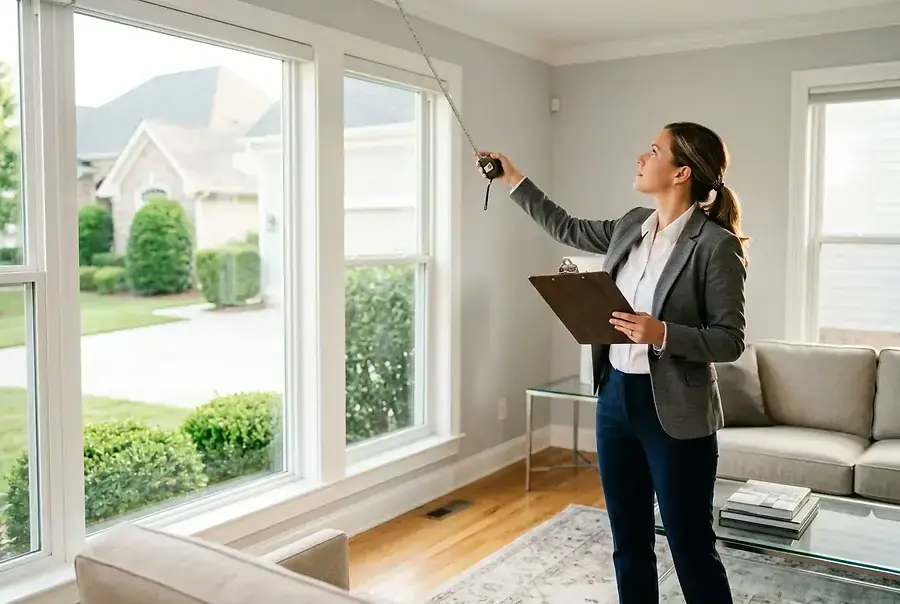
Appraisers carefully measure your home's square footage, number of bedrooms and bathrooms, and overall layout. They evaluate the quality of construction, structural integrity, and the age of the property. Homes with functional floor plans and adequate living spaces command higher values than those with awkward layouts or insufficient rooms.
Condition and Maintenance
The physical condition of your home is paramount. Appraisers inspect:
- Roof condition and remaining lifespan
- Foundation and structural integrity
- HVAC systems and their age
- Plumbing and electrical systems
- Interior walls, flooring, and finishes
- Windows, doors, and exterior siding
Deferred maintenance and needed repairs can significantly reduce your home's appraised value. Even minor issues like peeling paint or broken fixtures can create a negative impression.
Recent Comparable Sales
Appraisers use the sales comparison approach, analyzing recent sales of similar homes in your area. They look for properties with comparable square footage, age, condition, and location. This data provides the most reliable indicator of your home's market value and is often the primary basis for the final appraisal.
Upgrades and Improvements
Strategic renovations can boost your home's appraised value. Kitchen and bathroom updates, new flooring, fresh paint, and modern fixtures typically provide good returns. However, highly personalized upgrades—like a custom home theater or unusual color schemes—may not add proportional value.
Energy Efficiency and Modern Amenities
Today's appraisers increasingly value energy-efficient features such as updated insulation, Energy Star appliances, smart thermostats, and solar panels. Modern amenities like updated kitchens, open floor plans, and home automation systems also positively influence appraisals.
How to Prepare Your Home for an Appraisal Assessment
Clean and Declutter Thoroughly
First impressions matter. Before the appraiser arrives, ensure your home is spotlessly clean. Remove clutter from closets, cabinets, and living spaces. A clean, organized home suggests proper maintenance and care, which can positively influence the appraiser's perception.
Make Minor Repairs and Touch-Ups
Address obvious maintenance issues before the appraisal:
- Fix leaky faucets and running toilets
- Replace broken light fixtures and switches
- Touch up peeling paint
- Repair damaged drywall or flooring
- Caulk gaps around windows and doors
- Replace missing or damaged roof shingles
These inexpensive fixes can prevent significant deductions from your appraisal.
Enhance Curb Appeal
The exterior is the first thing appraisers see. Invest in curb appeal by:
- Mowing the lawn and trimming bushes
- Planting fresh flowers or mulch in garden beds
- Cleaning the driveway and walkways
- Painting the front door
- Ensuring the roof looks well-maintained
- Cleaning windows and gutters
Document Improvements and Upgrades
Gather documentation of any significant renovations, replacements, or upgrades you've made. This includes receipts, permits, and contractor information for new roofs, HVAC systems, electrical work, plumbing updates, or kitchen and bathroom renovations. Appraisers may not see these improvements if they're not obvious, so providing evidence helps justify higher valuations.
Ensure Systems Are Functioning
Test all major systems before the appraisal. Ensure heating and cooling work properly, water heaters function correctly, and all appliances operate as intended. Appraisers will note any non-functioning systems, which can significantly impact your home's value.
Provide Access and Cooperation
Make the appraisal process smooth by providing easy access to all areas of your home, including the attic, basement, and crawl spaces. Answer questions honestly and provide any relevant information about recent improvements or maintenance. Your cooperation can help the appraiser develop a complete and accurate assessment.
Highlight Unique Features
If your home has distinctive features—such as a recently renovated kitchen, hardwood floors, a fireplace, or outdoor living spaces—ensure they're visible and well-maintained. These features can justify a higher appraisal value.
Conclusion: Using Appraisal Insights to Maximize Your Selling Price
Understanding the appraisal process empowers you to take control of your home's valuation. By recognizing what appraisers evaluate and proactively preparing your property, you can maximize your home's appraised value and strengthen your position in negotiations.
Remember: an appraisal is not just about the number—it's about presenting your home as a well-maintained, desirable property that justifies your asking price.
Focus on cleanliness, minor repairs, curb appeal, and documenting your improvements. These strategic steps demonstrate that your home has been properly cared for and is worth the investment. When your home appraises at or above the agreed-upon sale price, you've successfully navigated one of the most critical steps in the selling process.
By following this guide and preparing thoroughly, you'll be well-positioned to achieve the best possible appraisal and maximize your selling price.


