The Complete Guide to Home Inspection for Residential Buyers
Learn what professional inspectors look for and how to protect your investment before closing the deal.

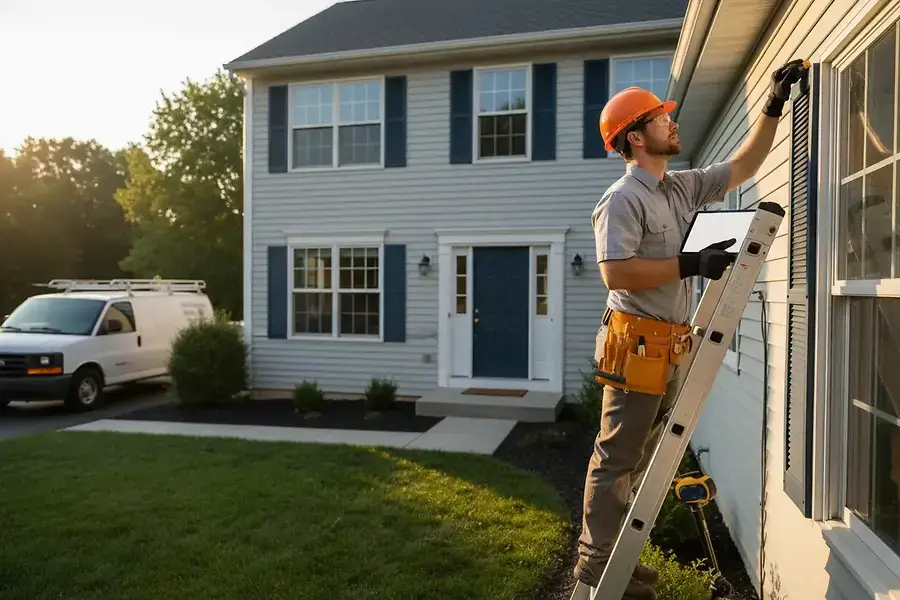
Why Home Inspections Matter: Understanding Your Property's True Condition
Purchasing a home is one of the most significant financial decisions you'll make in your lifetime. A professional home inspection is your opportunity to uncover potential issues before you commit to the purchase. Unlike a simple walkthrough, a thorough inspection provides an objective assessment of the property's condition, revealing problems that may not be visible to the untrained eye.
A home inspection protects you in several critical ways. First, it gives you leverage in negotiations—if major issues are discovered, you can request repairs, credits, or a price reduction. Second, it helps you budget for future maintenance and repairs. Third, it provides peace of mind knowing exactly what you're investing in. Without an inspection, you could inherit expensive problems that weren't apparent during your initial viewing.
The Value of Professional Expertise
Professional home inspectors are trained to identify structural issues, safety hazards, and system failures that could cost thousands to repair. They bring specialized knowledge and tools that allow them to assess everything from the foundation to the roof. This expertise is invaluable, especially for first-time homebuyers who may not know what to look for.
What Inspectors Evaluate: The Critical Systems and Components to Know
A comprehensive home inspection covers numerous systems and components. Understanding what inspectors examine helps you ask informed questions and recognize the importance of their findings.
Structural Components
Inspectors carefully examine the foundation, walls, and overall structural integrity of the home. They look for cracks, settling, water damage, and signs of foundation problems. The roof is also thoroughly evaluated for missing shingles, leaks, and remaining lifespan. Proper attic ventilation and insulation are assessed to ensure energy efficiency and prevent moisture issues.
Electrical and Plumbing Systems
The electrical system is tested to ensure it meets current safety codes and can handle the home's power demands. Inspectors check for outdated wiring, improper grounding, and potential fire hazards. The plumbing system is evaluated for leaks, water pressure issues, and the condition of pipes. Water heaters, drains, and fixtures are all examined to ensure proper function.
HVAC and Climate Control
Heating, ventilation, and air conditioning systems are tested for proper operation and efficiency. Inspectors assess the age of equipment, maintenance history, and whether systems are appropriately sized for the home. Ductwork is inspected for leaks and proper insulation.
Interior and Exterior Features
Windows, doors, siding, and exterior surfaces are evaluated for damage, weatherproofing, and functionality. Interior elements like flooring, walls, and ceilings are examined for water damage, mold, and structural issues. Appliances included in the sale are tested to confirm they operate properly.
Common Red Flags and How to Negotiate Repairs or Credits
Certain findings during an inspection warrant serious attention and negotiation.
Major Red Flags to Watch For
- Foundation problems: Cracks, settling, or water intrusion indicate serious structural issues that are expensive to repair.
- Roof damage: Missing shingles, leaks, or a roof nearing the end of its lifespan requires costly replacement.
- Electrical hazards: Outdated wiring, improper grounding, or code violations pose safety risks and fire hazards.
- Plumbing issues: Leaks, corroded pipes, or inadequate water pressure can lead to water damage and expensive repairs.
- Mold or water damage: These indicate moisture problems that can affect health and structural integrity.
- HVAC system failure: Replacing heating and cooling systems is a significant expense.
Negotiating After Inspection
Once you receive the inspection report, you have several options. You can request that the seller make repairs before closing, ask for a credit toward repairs you'll handle yourself, or negotiate a price reduction. Be strategic in your negotiations—prioritize major issues that affect safety and structural integrity over minor cosmetic concerns.
Document everything in writing and ensure any agreed-upon repairs are completed by licensed professionals. Some buyers choose to hire a second inspector to verify major findings, which can strengthen their negotiating position.
Taking Action: Using Inspection Results to Make Confident Purchasing Decisions
The inspection report is a tool for informed decision-making. Review it carefully and ask your inspector to explain any findings you don't understand.
Evaluating the Report
Inspection reports typically categorize findings by severity. Critical issues require immediate attention and may affect your decision to purchase. Major issues should be addressed soon to prevent further damage. Minor issues are typically cosmetic or maintenance-related concerns.
Consider the age of the home and the condition of major systems. A 30-year-old roof is nearing replacement regardless of current condition. Older electrical and plumbing systems may need updates to meet modern standards and safety codes.
Making Your Final Decision
Use the inspection results to determine if the home is worth the asking price, considering necessary repairs and upgrades. Calculate the cost of addressing major issues and factor this into your offer. Don't let inspection findings alone prevent you from purchasing a good home—most homes have some issues. Instead, use the information to make an informed decision and negotiate fairly.
Remember that an inspection contingency in your purchase agreement protects you. This allows you to walk away or renegotiate if significant problems are discovered. Work with your real estate agent and inspector to understand the severity of findings and develop a strategy for moving forward.
Final Thoughts
A professional home inspection is an investment in your future. It provides clarity about the property's condition, protects you financially, and gives you the confidence to make one of life's biggest decisions. By understanding what inspectors evaluate and how to use their findings, you're taking control of your home-buying journey and safeguarding your investment for years to come.