The Complete Guide to Home Inspection in Utah Valley Communities
Learn what to look for during a home inspection to protect your investment and avoid costly surprises.

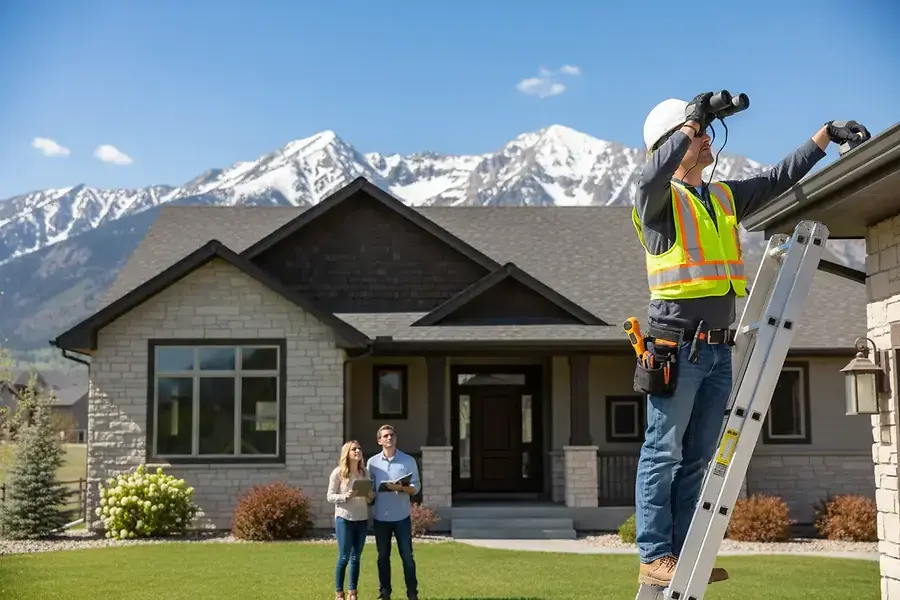
Understanding the Home Inspection Process
A home inspection is one of the most critical steps in the home buying process. It's a thorough examination of a property's physical structure and systems, conducted by a licensed professional inspector. In Utah Valley communities, home inspections typically last between two to four hours, depending on the size and age of the property.
During the inspection, the inspector will evaluate the home's condition and provide you with a detailed report. This report becomes your roadmap for understanding what you're purchasing and what potential issues may arise. Think of a home inspection as your personal advocate—it protects your investment by identifying problems before you commit to the purchase.
The inspection process is non-invasive and doesn't require any special preparation from the seller. However, it's important that you attend the inspection in person. This gives you the opportunity to ask questions, understand the findings firsthand, and learn about the home's systems and maintenance requirements.
Key Areas Inspectors Evaluate and Red Flags to Watch For
Structural Components
Inspectors carefully examine the home's foundation, framing, and overall structural integrity. In Utah Valley, where homes experience significant temperature variations and occasional seismic activity, foundation cracks and settling issues are particularly important to monitor. Look for:
- Visible cracks in the foundation or basement walls
- Uneven or sloping floors
- Gaps between walls and ceilings
- Signs of water damage or moisture intrusion
Roofing and Exterior
The roof is your home's first line of defense against the elements. Inspectors assess the roof's age, condition, and remaining lifespan. Utah Valley's intense sun and occasional hail storms can accelerate roof deterioration.
- Missing, curled, or damaged shingles
- Roof age (most roofs last 15-25 years)
- Improper flashing around chimneys and vents
- Gutter and downspout condition
Plumbing Systems
Water-related issues can be expensive to repair. Inspectors test water pressure, check for leaks, and evaluate the condition of pipes and fixtures throughout the home.
- Slow drains or signs of previous water damage
- Outdated or corroded pipes
- Water heater age and condition
- Presence of polybutylene pipes (a problematic material)
Electrical Systems
A safe electrical system is non-negotiable. Inspectors verify that the electrical panel is properly sized, check for outdated wiring, and ensure outlets are properly grounded.
- Outdated electrical panels or fuses
- Insufficient outlets or evidence of overloaded circuits
- Aluminum wiring (a fire hazard)
- Missing ground fault circuit interrupters (GFCIs) in bathrooms and kitchens
HVAC Systems
Heating and cooling systems are essential in Utah Valley's climate. Inspectors evaluate the furnace, air conditioning unit, and ductwork for proper operation and maintenance.
- System age and remaining lifespan
- Signs of rust or corrosion
- Proper ventilation and ductwork condition
- Regular maintenance history
How to Review Your Inspection Report and Negotiate Repairs
Understanding Your Report
Home inspection reports can be lengthy and technical. Most reports categorize findings into three levels: major concerns, minor issues, and maintenance recommendations. Focus first on major concerns, as these typically require immediate attention and can significantly impact the home's value.
Pro tip: Ask your inspector to walk you through the report and explain any findings you don't understand. A good inspector will be happy to clarify and provide context for their observations.
Negotiating Repairs
Once you have the inspection report, you have several options:
- Request repairs: Ask the seller to fix major issues before closing
- Request credits: Negotiate a credit toward closing costs to handle repairs yourself
- Request price reduction: Ask for a lower purchase price to account for necessary repairs
- Walk away: If issues are too significant, you may choose to withdraw from the purchase
When negotiating, prioritize major structural, electrical, and plumbing issues. Minor cosmetic problems or routine maintenance items are typically the buyer's responsibility after purchase.
Getting Second Opinions
For significant findings, consider getting quotes from licensed contractors. This gives you concrete numbers for repair costs and strengthens your negotiating position. Knowledge is power when it comes to home negotiations.
Next Steps: Using Inspection Results in Your Purchase Decision
Making Your Final Decision
The inspection report is a crucial tool for making an informed decision about your purchase. Review the findings carefully and consider:
- The total cost of necessary repairs
- The home's overall condition and age
- Your budget and willingness to handle repairs
- The home's location and market value in Utah Valley
Planning for Future Maintenance
Even if the inspection reveals no major issues, use the report as a maintenance guide. Understanding your home's systems and their condition helps you plan for future repairs and replacements. Regular maintenance is far less expensive than emergency repairs.
Protecting Your Investment
After closing, keep your inspection report and all contractor quotes in a safe place. This documentation is valuable for insurance purposes, future sales, and warranty claims. Consider scheduling annual maintenance checks for major systems like your HVAC and plumbing.
A home inspection is an investment in your peace of mind. By understanding what inspectors look for and how to use the results, you're taking control of one of the largest purchases of your life. In Utah Valley's competitive real estate market, a thorough home inspection ensures you're making a smart, informed decision that protects your financial future.