The Complete Guide to Home Inspections Before Buying Residential Property
Discover what professional inspectors find and how their insights protect your residential investment.

Understanding the Home Inspection Process
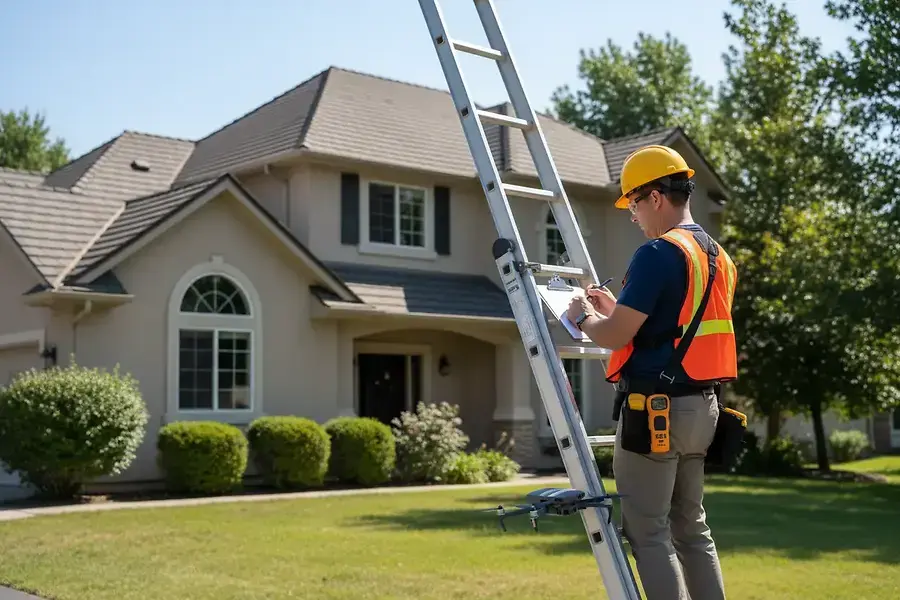
A home inspection is a critical step in the residential property buying process that should never be overlooked. This comprehensive evaluation involves a licensed professional examining the structural integrity, mechanical systems, and overall condition of a property. The inspection typically lasts between two to four hours, depending on the size and complexity of the home.
During a standard inspection, professionals evaluate multiple key areas of your potential new home:
- Structural Components: Foundation, walls, roof, and framing
- Roofing Systems: Condition, age, and remaining lifespan
- Plumbing: Water pressure, drainage, and pipe conditions
- Electrical Systems: Panel safety, wiring, and outlet functionality
- HVAC Systems: Heating, cooling, and ventilation efficiency
- Insulation and Ventilation: Energy efficiency and moisture control
- Interior and Exterior: Walls, ceilings, floors, windows, and doors
It's important to note that home inspectors do not perform detailed testing of every component. Instead, they conduct a visual assessment to identify obvious defects and potential concerns that warrant further investigation by specialists.
What to Expect During Your Inspection
As the buyer, you have the right to be present during the inspection. Many experts recommend attending to ask questions and gain firsthand knowledge about the property's condition. The inspector will document their findings with photographs and detailed notes that become part of your official inspection report.
Common Issues Inspectors Discover in Residential Properties
Understanding the most frequently identified problems helps you prepare for potential negotiations and unexpected costs. Here are the issues that inspectors most commonly encounter:
Roof and Exterior Problems
Roofing issues are among the most expensive repairs homeowners face. Inspectors look for missing or damaged shingles, improper flashing, and signs of water damage. Gutters and downspouts that aren't properly maintained can lead to foundation problems and water intrusion.
Plumbing and Water Issues
Common plumbing concerns include outdated pipes, slow drainage, water pressure problems, and signs of leaks. Older homes may have galvanized pipes that are prone to corrosion, while some properties contain polybutylene pipes that are known to fail prematurely.
Electrical System Deficiencies
Inspectors frequently identify outdated electrical panels, insufficient outlets, improper grounding, and safety hazards. Homes with older wiring may not safely support modern electrical demands, requiring upgrades before you move in.
HVAC System Age and Condition
Heating and cooling systems have limited lifespans, typically 15-20 years. An aging system may still function but could fail shortly after purchase, resulting in significant replacement costs. Inspectors assess efficiency and identify maintenance needs.
Foundation and Structural Concerns
While minor cracks are normal, inspectors watch for signs of serious foundation problems including settling, water intrusion, or structural movement. These issues can be expensive to remediate and affect the home's long-term stability.
Insulation and Energy Efficiency
Inadequate insulation, air leaks, and poor ventilation can lead to high utility bills and comfort issues. Inspectors evaluate these factors to help you understand the home's energy efficiency rating.
How Inspection Results Affect Your Purchase Decision
The inspection report provides crucial information that directly influences your buying decision. Here's how to interpret and use these findings:
Assessing the Severity of Issues
Not all inspection findings are deal-breakers. Inspectors typically categorize issues by severity. Minor issues might include cosmetic damage or routine maintenance needs. Major concerns involve safety hazards or expensive repairs. Understanding this distinction helps you decide whether to proceed, renegotiate, or walk away.
Estimating Repair Costs
While inspectors identify problems, they typically don't provide repair cost estimates. Consider obtaining quotes from licensed contractors for significant issues. This information becomes valuable during negotiations and helps you budget for repairs after purchase.
Evaluating Your Comfort Level
Beyond the financial implications, consider your comfort level with the property's condition. Some buyers prefer move-in ready homes, while others enjoy renovation projects. Your inspection report helps clarify what you're actually purchasing.
"A thorough home inspection is an investment in peace of mind. It reveals the true condition of your potential investment and empowers you to make informed decisions."
Next Steps: Using Inspection Reports to Negotiate
Your inspection report is a powerful negotiation tool. Here's how to leverage it effectively:
Requesting Repairs or Credits
After receiving the inspection report, you can request that the seller either repair identified issues or provide a credit toward closing costs. Focus on significant problems that affect safety, functionality, or structural integrity rather than minor cosmetic issues.
Negotiation Strategies
- Prioritize your requests—focus on the most critical issues first
- Obtain multiple repair quotes to support your negotiation position
- Be reasonable in your demands to keep negotiations productive
- Consider which repairs you're comfortable handling yourself after purchase
- Understand local market conditions that may affect the seller's willingness to negotiate
When to Walk Away
Sometimes the inspection reveals problems so significant that continuing isn't wise. If the property has serious structural issues, extensive water damage, or requires repairs exceeding your budget, it may be time to move on to another property. Remember, there will always be other homes on the market.
Moving Forward with Confidence
Once you've addressed inspection concerns through negotiation or decided to proceed as-is, you can move forward with confidence. Keep your inspection report for future reference—it provides valuable documentation of the property's condition at the time of purchase and helps with future maintenance planning.
A professional home inspection is one of the most important investments you'll make in the home-buying process. It protects your financial interests, ensures your safety, and provides the information you need to make one of life's biggest decisions with confidence.


