The Complete Guide to Home Inspections for Camp Hill Homebuyers
Learn what professional inspectors look for and how to use inspection results to negotiate with confidence.

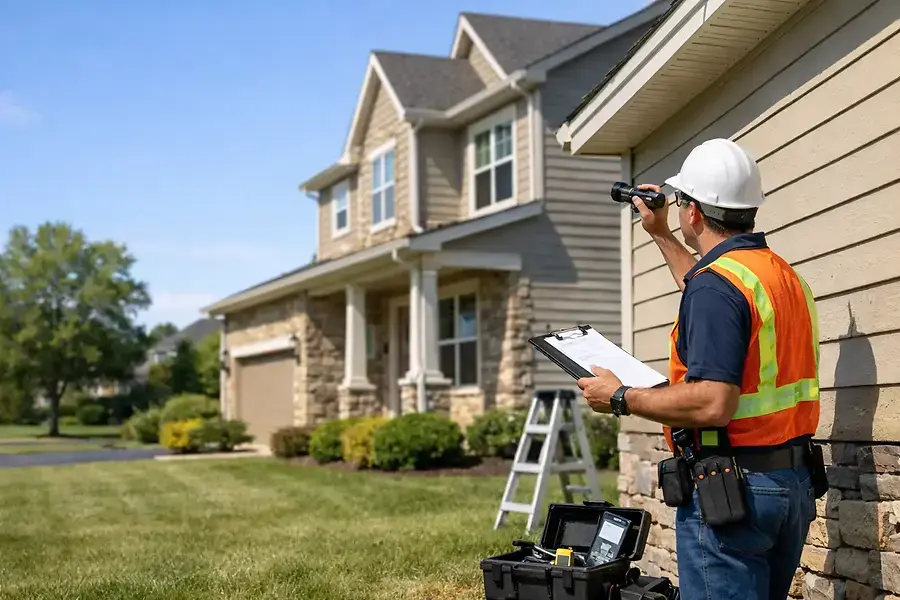
Why Home Inspections Are Critical in Camp Hill's Real Estate Market
Purchasing a home is one of the most significant investments you'll make in your lifetime. In Camp Hill's competitive real estate market, a professional home inspection is not just a formality—it's your safeguard against costly surprises. A thorough inspection provides you with detailed knowledge about the property's condition, allowing you to make informed decisions and negotiate from a position of strength.
Many homebuyers underestimate the value of a comprehensive inspection. Without one, you could inherit expensive repairs, structural issues, or safety hazards that weren't immediately visible during your walkthrough. Professional inspectors have the expertise and tools to identify problems that untrained eyes would miss, potentially saving you thousands of dollars in unexpected repairs.
What Professional Home Inspectors Evaluate During Your Inspection
Structural Components
Professional inspectors begin by examining the foundation, walls, and overall structural integrity of the home. They look for signs of settling, cracks, water damage, and any structural weaknesses that could compromise the building's stability. A solid foundation is essential, and inspectors will assess whether any issues require immediate attention or monitoring.
Roofing and Exterior
The roof is one of your home's most critical protective barriers. Inspectors evaluate:
- Shingle condition and remaining lifespan
- Flashing and sealing around chimneys and vents
- Gutters and downspout functionality
- Siding integrity and water damage
- Windows and door seals
Plumbing Systems
A detailed plumbing inspection includes checking water pressure, drainage systems, and the condition of pipes. Inspectors test all fixtures, look for leaks, and assess the water heater's age and condition. Outdated plumbing can be a significant expense, so understanding its status is crucial.
Electrical Systems
Electrical safety is paramount. Inspectors examine the panel, wiring, outlets, and switches to ensure everything meets current safety codes. Outdated electrical systems or improper installations can pose fire hazards and may require upgrades.
HVAC Systems
Heating, ventilation, and air conditioning systems are evaluated for age, functionality, and efficiency. Inspectors check whether systems are properly maintained and estimate their remaining lifespan. Replacing an HVAC system is a substantial expense, so knowing its condition helps with budgeting.
Interior Components
Inspectors also examine insulation, ventilation, flooring, walls, and ceilings. They look for signs of water damage, mold, pest infestations, and other issues that could affect your comfort and health.
Common Issues Found in Camp Hill Properties and Solutions
Water Damage and Moisture Issues
Camp Hill's climate can contribute to moisture-related problems. Common issues include basement seepage, roof leaks, and foundation cracks that allow water infiltration. Solutions range from simple caulking and gutter cleaning to more extensive basement waterproofing or foundation repairs. If water damage is present, have a specialist assess whether mold remediation is necessary.
Aging Roofs
Many properties in the area have roofs nearing the end of their lifespan. A roof replacement typically costs $8,000 to $15,000 or more, depending on size and materials. If your inspection reveals significant wear, you can negotiate for repairs, a roof allowance, or a price reduction.
Outdated Electrical Systems
Older homes may have outdated wiring or insufficient electrical capacity for modern appliances. Upgrading electrical systems is essential for safety and functionality. Budget for potential panel upgrades or rewiring if the inspection reveals concerns.
HVAC System Age
Many Camp Hill homes have aging heating and cooling systems. If your inspection shows a system nearing the end of its life, negotiate for replacement or a credit toward future upgrades. Modern, efficient systems can reduce energy costs significantly.
Plumbing Concerns
Older homes may have galvanized pipes that are corroding or outdated materials. Pipe replacement can be expensive, but it's important for water quality and system reliability. Ask the inspector about the urgency of any plumbing issues.
Foundation and Structural Issues
Minor cracks are common, but significant structural problems require professional assessment.
Don't ignore foundation concerns—they can worsen over time and become extremely costly to repair.If serious issues are found, hire a structural engineer for a detailed evaluation before proceeding.
Making Informed Decisions with Your Inspection Report
Understanding Your Report
A professional inspection report is comprehensive and detailed. Take time to review it thoroughly, and don't hesitate to ask your inspector questions about any findings. Understanding the severity of issues helps you prioritize concerns and plan your budget accordingly.
Negotiation Strategies
Use your inspection report as a negotiation tool. You have several options:
- Request repairs: Ask the seller to fix significant issues before closing
- Negotiate a price reduction: Reduce the offer price to account for repairs you'll handle
- Request credits: Ask for a credit at closing to cover repair costs
- Walk away: If issues are too extensive, you have the right to withdraw your offer
Planning for Future Maintenance
Even if the inspection reveals no major issues, use the report to plan preventive maintenance. Regular upkeep of roofing, plumbing, electrical, and HVAC systems extends their lifespan and prevents costly emergencies. Budget annually for maintenance to protect your investment.
Final Thoughts
A professional home inspection is an investment in peace of mind and financial security. In Camp Hill's real estate market, it empowers you to make confident decisions, negotiate effectively, and plan for your home's future. Don't skip this critical step—your dream home deserves thorough evaluation, and you deserve to know exactly what you're buying.


