The Complete Guide to Home Inspections for Chardon, Ohio Buyers
Learn what to look for during inspections to avoid costly surprises in your Chardon home purchase.

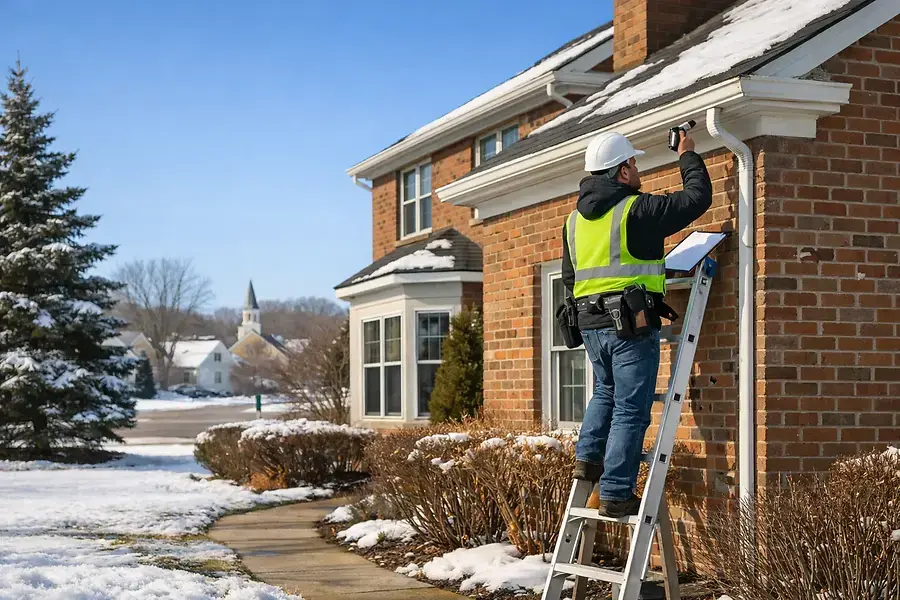
Understanding the Home Inspection Process in Chardon
Purchasing a home in Chardon, Ohio is one of the most significant investments you'll make in your lifetime. A professional home inspection is a critical step in protecting that investment. During a typical inspection, a certified home inspector will spend two to three hours examining your potential property, evaluating everything from the foundation to the roof.
The inspection process begins with a thorough walkthrough of the exterior, including the roof, siding, gutters, and drainage systems. Inspectors then move inside to evaluate the interior structure, electrical systems, plumbing, HVAC systems, and appliances. It's important to understand that a home inspection is not a pass-or-fail evaluation—rather, it's a detailed assessment of the property's current condition.
In Chardon's climate, inspectors pay special attention to issues common in Northeast Ohio, such as water damage, foundation cracks, and heating system efficiency. Being present during the inspection allows you to ask questions and gain valuable insights about your potential home.
What to Expect During Your Inspection
A comprehensive home inspection typically includes:
- Structural integrity assessment
- Roof condition and remaining lifespan evaluation
- Electrical system safety review
- Plumbing system functionality check
- HVAC system performance analysis
- Insulation and ventilation assessment
- Basement and foundation examination
- Appliance functionality review
Critical Areas Inspectors Evaluate in Northeast Ohio Homes
Chardon's location in Northeast Ohio means homes face unique environmental challenges. Professional inspectors understand these regional concerns and focus on areas most likely to develop problems.
Foundation and Basement Concerns
The freeze-thaw cycles common in Ohio winters can wreak havoc on foundations. Inspectors look for cracks, water intrusion, and signs of settling. Basement moisture is particularly common in this region, so inspectors will check for water stains, efflorescence, and proper grading around the foundation.
Roofing and Weather Protection
Ohio's variable weather patterns demand robust roofing systems. Inspectors evaluate shingle condition, flashing integrity, and gutter functionality. They'll assess the roof's remaining lifespan and identify any areas prone to leaking—critical in a region that experiences significant snowfall and ice dams.
Heating Systems
With cold winters being the norm, an efficient heating system is essential. Inspectors thoroughly evaluate furnaces, boilers, and heat pump systems. A well-maintained heating system can mean the difference between comfort and costly emergency repairs during winter months.
Plumbing and Water Systems
Hard water is common in Northeast Ohio, which can affect pipes and water heaters. Inspectors check for:
- Water pressure and flow rates
- Pipe material and condition
- Water heater age and functionality
- Drain system efficiency
- Signs of corrosion or mineral buildup
Red Flags and How to Negotiate After Inspection Results
Once you receive your inspection report, you'll likely encounter some issues. Understanding which problems are serious and which are minor helps you make informed decisions.
Major Red Flags to Take Seriously
Structural problems are the most serious concerns. These include foundation cracks, severe settling, or compromised support beams. Similarly, roof issues requiring immediate replacement can cost thousands of dollars and should be addressed before purchase.
Other significant red flags include:
- Electrical system hazards or outdated wiring
- Plumbing problems affecting water quality or flow
- HVAC systems nearing end of life
- Evidence of pest infestation or mold
- Asbestos or lead paint in older homes
Minor Issues vs. Major Concerns
Not every finding in an inspection report requires renegotiation. Minor cosmetic issues, worn caulking, or small paint touch-ups are typically the buyer's responsibility. However, anything affecting safety, functionality, or structural integrity warrants serious consideration.
Negotiation Strategies
After receiving inspection results, you have several options:
- Request repairs: Ask the seller to fix major issues before closing
- Request credits: Negotiate a price reduction to cover repair costs yourself
- Request re-inspection: Have specific items re-evaluated by specialists
- Walk away: If issues are too extensive, you may choose to terminate the purchase
Remember: Your inspection contingency period is your opportunity to make an informed decision. Use it wisely to protect your investment.
Working with Specialists
For significant findings, consider hiring specialists. A structural engineer can evaluate foundation concerns, while a licensed electrician can assess electrical issues. These expert opinions strengthen your negotiating position and provide clarity on repair costs.
Conclusion: Making Informed Decisions Through Proper Due Diligence
A thorough home inspection is your best defense against costly surprises in your Chardon home purchase. By understanding the inspection process, knowing what inspectors evaluate, and recognizing red flags, you're equipped to make informed decisions.
Don't skip the inspection to save money—the few hundred dollars spent on a professional inspection can save you thousands in unexpected repairs. Work with your real estate agent to schedule an inspection promptly, attend the walkthrough, and carefully review the detailed report.
Chardon's unique climate and housing stock require inspectors who understand regional challenges. Choose a certified, experienced inspector familiar with Northeast Ohio homes, and approach the inspection as an investment in your peace of mind and financial security. With proper due diligence, you'll move forward with confidence in your new Chardon home.


