The Complete Guide to Home Inspections for Chesterton Homebuyers
Learn what professional inspectors evaluate and how to use their findings to negotiate confidently in Chesterton's residential market.

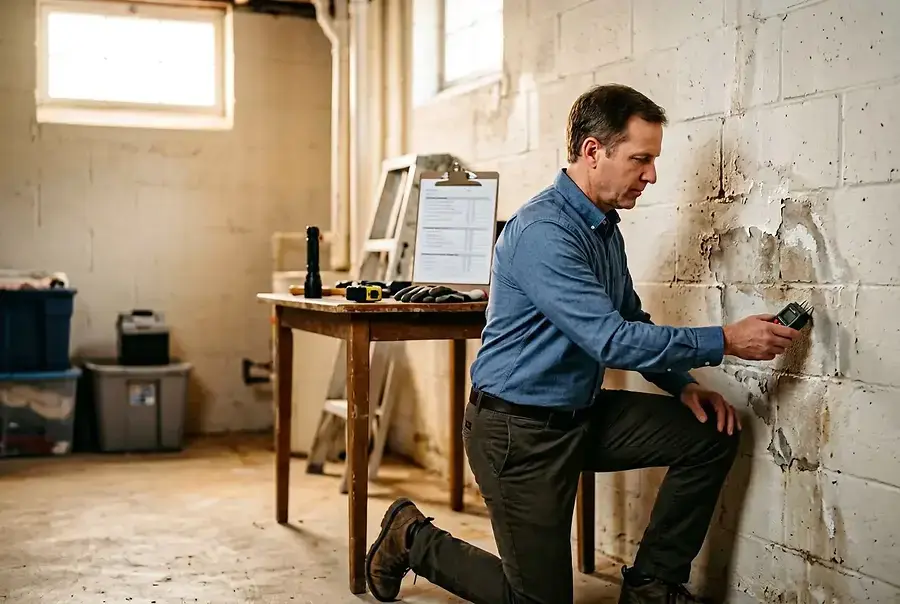
Understanding What Home Inspectors Evaluate During the Inspection
A professional home inspection is one of the most critical steps in the homebuying process. When you're purchasing a property in Chesterton, a qualified inspector will conduct a thorough examination of the home's structural integrity, mechanical systems, and overall condition. Understanding what they evaluate helps you make informed decisions about your investment.
Structural Components
Inspectors begin by assessing the foundation, walls, roof, and framing. They look for signs of settling, cracks, water damage, and structural deterioration. In Chesterton homes, inspectors pay particular attention to basement conditions and any evidence of moisture intrusion, which is common in older properties in the region.
Mechanical Systems
Your inspector will evaluate:
- HVAC Systems: Heating, ventilation, and air conditioning units are tested for proper operation and age
- Electrical Systems: Wiring, panels, and outlets are checked for safety and code compliance
- Plumbing: Water pressure, drainage, and pipe conditions are assessed
- Water Heater: Age, capacity, and functionality are evaluated
Interior and Exterior Features
Inspectors examine windows, doors, insulation, flooring, and paint conditions. They also assess the roof's age and condition, gutters, downspouts, and exterior siding. In Chesterton, weather-related wear is a common concern, so inspectors focus on how well homes are protected from the elements.
Common Issues Found in Chesterton Homes and How to Address Them
Chesterton's unique climate and age of many homes mean certain issues appear more frequently than in other areas. Being aware of these common problems helps you anticipate inspection findings.
Water Damage and Moisture Issues
Many Chesterton homes experience moisture problems due to the region's weather patterns. Common findings include:
- Basement dampness or active water intrusion
- Roof leaks and damaged flashing
- Compromised caulking around windows and doors
To address these issues, ensure proper grading around the foundation, install or repair gutters, and consider waterproofing treatments for basements.
Aging HVAC and Electrical Systems
Older Chesterton homes often have outdated heating and cooling systems. Inspectors frequently recommend replacement when systems are beyond their expected lifespan. Similarly, outdated electrical panels may need upgrades to meet current safety standards and handle modern power demands.
Roof and Exterior Deterioration
Roofs in Chesterton homes typically need replacement every 15-20 years. Inspectors will note the roof's age, missing shingles, and signs of wear. Exterior siding may also show weathering, requiring repainting or replacement depending on the material.
Plumbing Concerns
Older homes may have galvanized pipes that are prone to corrosion or outdated plumbing configurations. Water pressure issues and slow drainage are red flags that warrant further investigation and potential repairs.
Negotiating Repairs and Price Adjustments Based on Inspection Results
Once you receive the inspection report, you have leverage to negotiate with the seller. Here's how to approach this strategically.
Prioritize Major Issues
Focus your negotiation on significant problems that affect safety, functionality, or long-term value. Examples include:
- Structural damage or foundation issues
- Roof replacement needs
- Electrical or plumbing system failures
- Active water intrusion
Minor cosmetic issues are typically not worth negotiating over and may frustrate sellers unnecessarily.
Get Repair Estimates
Before negotiating, obtain written estimates from licensed contractors for major repairs. This gives you concrete numbers to reference during discussions and demonstrates that you've done your homework. Sellers are more likely to take your requests seriously when backed by professional quotes.
Decide Your Strategy
You have three main options when addressing inspection findings:
- Request Repairs: Ask the seller to complete repairs before closing
- Request Price Reduction: Negotiate a lower purchase price to account for repair costs
- Request Escrow: Have funds held in escrow to cover repairs after purchase
In Chesterton's market, sellers often prefer price reductions over completing repairs themselves, as they may use contractors unfamiliar with local conditions.
Communicate Professionally
Present your findings respectfully and factually.
Remember that negotiation is a collaborative process—aggressive demands often backfire and can derail the entire transaction.Work with your real estate agent to craft reasonable requests that reflect actual repair costs.
Moving Forward with Confidence: Your Next Steps as a Chesterton Buyer
After inspection negotiations conclude, you're ready to move toward closing with greater confidence in your purchase decision.
Review the Final Walk-Through
Conduct a final walk-through before closing to verify that any agreed-upon repairs have been completed satisfactorily. Check that the home is in the condition you expected and that no new issues have emerged.
Maintain Your Home Proactively
Use the inspection report as a maintenance guide. Address minor issues before they become major problems. Regular HVAC servicing, roof inspections, and gutter cleaning will extend your home's lifespan and protect your investment.
Keep Documentation
Save your inspection report, repair estimates, and any correspondence with the seller. This documentation proves valuable for future reference, warranty claims, and when you eventually sell the property.
Plan for Future Improvements
The inspection report identifies systems and components that may need replacement in the coming years. Use this information to budget for future upgrades and plan renovations strategically.
Buying a home in Chesterton is an exciting milestone. By understanding the inspection process, anticipating common issues, and negotiating effectively, you'll make a confident, informed decision that protects your financial interests and ensures your new home is a sound investment for years to come.


