The Complete Guide to Home Inspections for New York Buyers
Discover the critical inspection points that protect your investment and prevent costly surprises when buying residential property in New York.

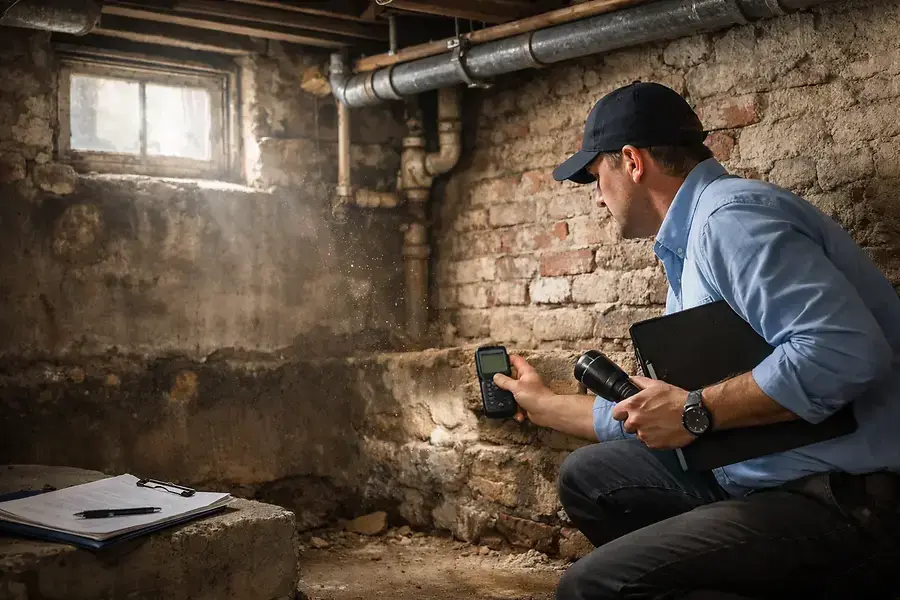
Why Home Inspections Are Critical for New York Buyers
Purchasing a home is one of the most significant financial decisions you'll make in your lifetime. In New York's competitive real estate market, the stakes are even higher. A professional home inspection is your safeguard against inheriting costly problems that could drain your savings and compromise your family's safety.
Many first-time buyers underestimate the importance of thorough inspections, viewing them as an unnecessary expense. However, a comprehensive inspection typically costs between $300 and $500 and can reveal issues worth thousands of dollars in repairs. From hidden structural damage to failing systems, inspectors identify problems that could take years to surface—problems that become your responsibility the moment you sign the deed.
New York homes present unique challenges. Older properties dominate the market, particularly in Manhattan and Brooklyn, bringing vintage charm alongside aging infrastructure. Lead paint, outdated electrical systems, and deteriorating masonry are common concerns. Even newer constructions can have defects that require professional eyes to detect.
Key Areas Professional Inspectors Evaluate in New York Homes
Structural Integrity and Foundation
The foundation is your home's backbone. Inspectors examine basement walls, crawl spaces, and concrete slabs for cracks, water damage, and settling. In New York, where many buildings rest on bedrock or have deep foundations, structural issues can be particularly expensive to remediate. Look for signs of:
- Horizontal or stair-step cracks in walls
- Water seepage or dampness
- Uneven floors or doors that don't close properly
- Bowing or leaning walls
Roofing and Exterior
New York's harsh winters and summer storms demand robust roofing. Inspectors assess shingle condition, flashing integrity, gutters, and downspouts. They'll check for:
- Missing, curled, or deteriorated shingles
- Roof age and remaining lifespan
- Proper ventilation and insulation
- Exterior wall condition, including brick, siding, and mortar
Plumbing Systems
Water damage is a leading cause of home insurance claims in New York. Inspectors evaluate water pressure, drainage, and pipe materials. Older homes may have galvanized steel pipes prone to corrosion or cast iron pipes nearing the end of their lifespan. They'll examine:
- Water supply lines and shut-off valves
- Drain and vent systems
- Water heater condition and age
- Evidence of leaks or water damage
Electrical Systems
Outdated electrical systems are common in New York's older housing stock. Inspectors verify that systems meet current safety codes and can handle modern electrical demands. They assess:
- Panel capacity and condition
- Grounding and bonding
- Presence of GFCI outlets in wet areas
- Knob-and-tube wiring (a fire hazard in older homes)
HVAC and Climate Control
Heating is essential in New York winters. Inspectors evaluate furnaces, boilers, air conditioning units, and ductwork. They determine:
- System age and efficiency
- Maintenance history and condition
- Proper ventilation and carbon monoxide safety
- Estimated remaining lifespan
Environmental Hazards
Lead paint, asbestos, and mold are serious concerns in New York homes. While general inspectors identify these hazards, specialized testing may be necessary. Homes built before 1978 almost certainly contain lead paint, which requires careful management if you have children.
How to Interpret Inspection Reports and Negotiate Repairs
Understanding the Report
Professional inspection reports categorize findings by severity. Familiarize yourself with these categories:
- Critical Issues: Safety hazards or major system failures requiring immediate attention
- Major Issues: Significant defects affecting home value or functionality
- Minor Issues: Small problems that don't significantly impact the home
- Recommendations: Suggested improvements or maintenance
Don't panic if your report contains issues—virtually every home has them. The key is understanding which problems are deal-breakers and which are manageable.
Negotiation Strategies
Armed with your inspection report, you have leverage. You can:
- Request repairs: Ask the seller to fix critical issues before closing
- Negotiate credits: Request a credit toward closing costs to handle repairs yourself
- Request re-inspection: Verify that repairs were completed properly
- Renegotiate price: Use significant findings to justify a lower offer
In New York's competitive market, sellers may resist major repair requests. Be strategic—prioritize critical safety issues and major system failures. For minor cosmetic issues, consider handling them yourself post-purchase.
When to Walk Away
Some inspection findings warrant reconsidering the purchase entirely. Red flags include:
- Extensive structural damage or foundation failure
- Severe mold contamination
- Outdated electrical systems that pose fire hazards
- Major plumbing or HVAC system failures in homes where replacement would be prohibitively expensive
Remember, you can always find another property. Protecting yourself now prevents years of regret and financial hardship.
Protecting Your Investment Through Thorough Due Diligence
A home inspection is your opportunity to make an informed decision about one of life's biggest purchases. Don't skip this critical step or hire the cheapest inspector available. Choose a licensed, experienced professional with strong credentials and positive reviews.
Attend the inspection in person. Walk through with your inspector, ask questions, and take notes. Understanding your home's condition empowers you to make smart decisions about repairs, maintenance, and long-term planning.
After closing, maintain detailed records of all repairs and maintenance. This documentation protects your investment and proves due diligence if issues arise later. Schedule regular maintenance for major systems and address problems promptly before they escalate.
In New York's dynamic real estate market, a thorough home inspection isn't an expense—it's insurance. It protects your financial investment, ensures your family's safety, and provides peace of mind as you settle into your new home. Take the time to do it right, and you'll enjoy your New York property for years to come.