The Complete Guide to Home Inspections for New York Buyers
Discover what professional inspectors evaluate and how to use inspection findings to negotiate better deals on your New York property purchase.

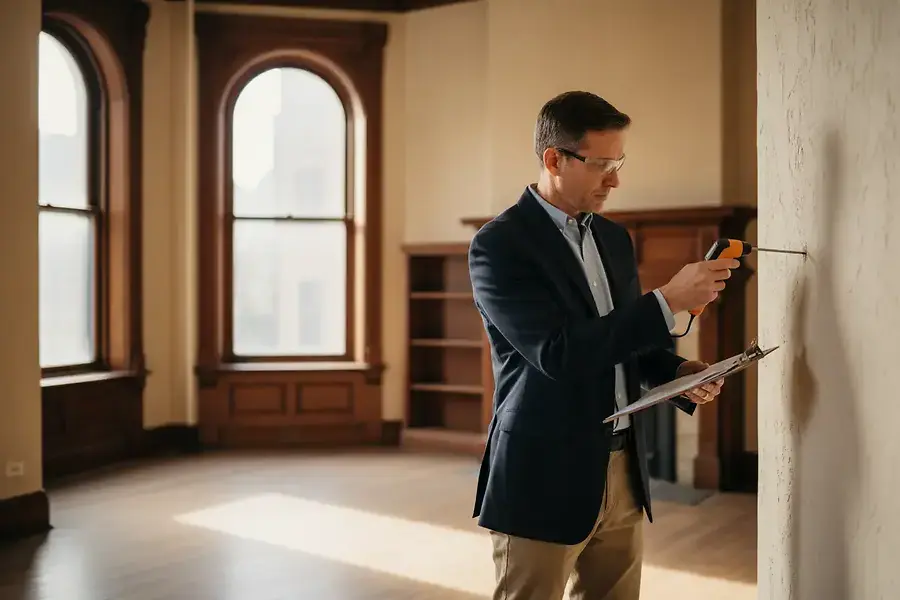
Why Home Inspections Matter for New York Homebuyers
Purchasing a home in New York is one of the most significant investments you'll make in your lifetime. Whether you're buying a modern Manhattan condo, a Brooklyn brownstone, or a Queens single-family home, a professional home inspection is an essential step in the buying process. A thorough inspection provides you with critical information about the property's condition, helping you make informed decisions and avoid costly surprises after closing.
In New York's competitive real estate market, many buyers skip inspections or conduct them hastily to move quickly on a property. This approach can be dangerous. A comprehensive home inspection protects your investment by identifying hidden defects, safety hazards, and maintenance issues that could cost thousands of dollars to repair. More importantly, inspection findings give you leverage to negotiate repairs, credits, or a lower purchase price before you commit to the sale.
What Professional Home Inspectors Evaluate in New York Properties
Structural Components
Professional home inspectors begin by examining the foundation, walls, and overall structural integrity of the building. In New York, many properties are older buildings with unique structural characteristics. Inspectors look for signs of settling, cracks, water damage, and deterioration that could indicate serious problems. They assess the condition of basement walls, crawl spaces, and support beams to ensure the structure is sound.
Roofing and Exterior
The roof is one of the most expensive components to replace, making its condition critical. Inspectors examine shingles, flashing, gutters, and drainage systems. They also evaluate the exterior walls, windows, doors, and siding for water intrusion, rot, and weathering. In New York's climate, proper drainage and weather sealing are essential to prevent water damage and mold growth.
Plumbing Systems
Inspectors test all plumbing fixtures, check water pressure, and examine pipes for leaks, corrosion, and proper grading. They verify that the water heater is functioning correctly and assess its age and condition. In older New York buildings, outdated plumbing systems and lead pipes are common concerns that inspectors specifically look for.
Electrical Systems
A thorough electrical inspection includes checking the main panel, circuit breakers, outlets, and wiring. Inspectors verify that the system meets current safety codes and identify any outdated or hazardous wiring. This is particularly important in older New York properties that may have outdated electrical systems that don't meet modern demands.
HVAC and Heating
Inspectors evaluate heating systems, air conditioning units, and ventilation. They check for proper operation, safety, and efficiency. In New York's cold winters, a reliable heating system is essential, and inspectors assess whether the current system can adequately heat the entire property.
Interior Components
Inspectors examine walls, ceilings, floors, and insulation. They look for water stains, mold, pest damage, and structural issues. They also test doors, windows, and built-in appliances to ensure they function properly.
Common Structural and Systems Issues Found in New York Homes
Water Damage and Moisture Issues
Water intrusion is one of the most common problems in New York properties, especially in older buildings. Inspectors frequently find water stains, mold, and moisture in basements, attics, and around windows. These issues can lead to structural damage and health concerns if not addressed promptly.
Outdated Electrical and Plumbing
Many New York homes, particularly in historic neighborhoods, have original electrical and plumbing systems that are decades old. Inspectors often identify outdated wiring, insufficient electrical capacity, corroded pipes, and lead plumbing that require updating to meet current safety standards.
Roof and Exterior Deterioration
Aging roofs, deteriorating brick and mortar, and compromised flashing are common findings in New York's older housing stock. These issues can be expensive to repair and should be factored into your purchase decision.
HVAC System Age and Condition
Many New York properties have aging heating systems that are nearing the end of their lifespan. Inspectors assess whether replacement will be needed soon, which can significantly impact your long-term ownership costs.
Pest and Pest Damage
Urban properties in New York can be susceptible to pest infestations. Inspectors look for signs of rodents, insects, and the damage they cause, which may require professional pest control and repairs.
Using Inspection Reports to Negotiate Repairs and Final Purchase Price
Understanding Your Inspection Report
Once the inspection is complete, you'll receive a detailed report outlining all findings. The report typically categorizes issues by severity: major defects that require immediate attention, minor issues that should be addressed, and recommendations for maintenance. Take time to understand the report and ask your inspector to clarify any findings you don't understand.
Prioritizing Issues
Not all inspection findings require negotiation. Focus on significant issues that affect safety, structural integrity, or major systems. Prioritize problems that are expensive to fix or pose health and safety risks. Minor cosmetic issues or routine maintenance items are typically not worth negotiating over in New York's competitive market.
Negotiation Strategies
You have several options when addressing inspection findings:
- Request repairs: Ask the seller to repair major issues before closing. This ensures the work is done to your standards.
- Request credits: Ask for a credit toward closing costs to handle repairs yourself after purchase.
- Request price reduction: Negotiate a lower purchase price to account for repair costs.
- Walk away: If issues are too severe or costly, you may choose to terminate the contract, depending on your inspection contingency.
Making Your Case
Support your negotiation requests with concrete evidence from the inspection report. Obtain repair estimates from licensed contractors to demonstrate the actual cost of addressing issues. This gives you credibility and helps the seller understand the financial impact of the problems found. In New York's market, sellers are more likely to negotiate when presented with professional documentation and realistic repair costs.
Final Thoughts
A professional home inspection is your best defense against unexpected costs and safety issues in your New York property purchase. By understanding what inspectors evaluate, recognizing common problems in New York homes, and using inspection findings strategically in negotiations, you can protect your investment and secure a better deal. Don't rush the inspection process—it's one of the most important steps in buying a home.


