The Complete Guide to Home Inspections for Residential Buyers
Discover the critical inspection points that protect your investment and reveal hidden property issues before closing.

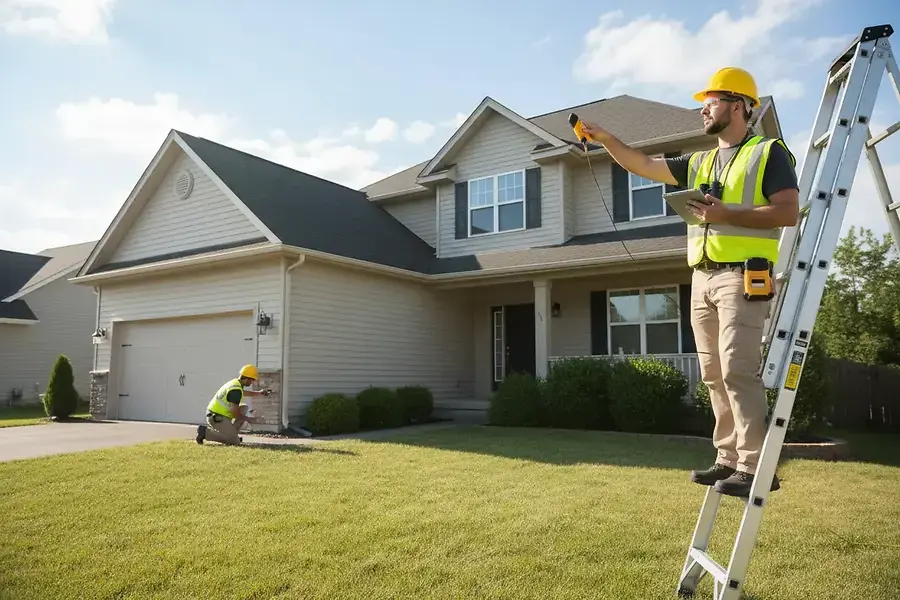
Understanding the Home Inspection Process
A home inspection is one of the most critical steps in the residential buying process. This thorough evaluation of a property's condition provides buyers with detailed information about the home's structural integrity, systems, and potential issues. Unlike an appraisal, which determines a home's market value, an inspection focuses exclusively on the physical condition and functionality of the property.
During a typical home inspection, a certified inspector will spend 2-4 hours examining the property inside and out. They use specialized tools and their expertise to assess everything from the foundation to the roof. The inspector will then provide a detailed report documenting their findings, including photographs and recommendations for repairs or further evaluation.
Why Home Inspections Matter
Purchasing a home is likely the largest investment you'll make in your lifetime. A professional home inspection protects this investment by:
- Identifying hidden defects that aren't visible during a casual walkthrough
- Revealing the true condition of major systems like electrical, plumbing, and HVAC
- Providing negotiating power if significant issues are discovered
- Giving you peace of mind before closing
- Helping you budget for future repairs and maintenance
Key Areas Inspectors Evaluate and Red Flags to Watch
Structural Components
Inspectors carefully examine the home's foundation, walls, and framing. Red flags include cracks in the foundation, water damage, settling issues, or signs of pest damage. These structural problems can be expensive to repair and may indicate deeper issues with the property.
Roofing and Exterior
The roof is your home's first line of defense against the elements. Inspectors evaluate shingles, flashing, gutters, and drainage systems. Watch for missing or damaged shingles, sagging areas, improper ventilation, or signs of water infiltration. The exterior also includes siding, windows, and doors—all critical for weatherproofing.
Plumbing Systems
Inspectors test water pressure, check for leaks, and evaluate the condition of pipes. Common concerns include outdated galvanized pipes, evidence of water damage, slow drains, or malfunctioning fixtures. Plumbing issues can lead to costly repairs and water damage if left unaddressed.
Electrical Systems
A thorough electrical inspection checks the panel, wiring, outlets, and switches. Red flags include outdated wiring, insufficient outlets, improper grounding, or signs of overheating. Electrical problems pose serious safety risks and should be addressed immediately.
HVAC Systems
Heating, ventilation, and air conditioning systems are essential for comfort and air quality. Inspectors evaluate the furnace, air conditioner, ductwork, and thermostat. Age, maintenance history, and proper operation are critical factors. Replacing an HVAC system can cost thousands of dollars.
Interior Components
Inspectors examine walls, ceilings, floors, and insulation for damage or defects. They also check for signs of mold, moisture problems, or pest infestations. Pay special attention to water stains, soft spots in flooring, or musty odors—these indicate moisture issues that can worsen over time.
Appliances and Fixtures
While not always included in standard inspections, many inspectors evaluate built-in appliances, water heaters, and other fixtures. Understanding the age and condition of these items helps you plan for replacements.
How to Review and Act on Inspection Results
Understanding the Inspection Report
Inspection reports typically categorize findings as major issues, minor issues, or maintenance recommendations. Major issues require immediate attention and can significantly impact the home's value or safety. Minor issues are less urgent but should be addressed eventually. Maintenance recommendations help preserve the home's condition.
Prioritizing Your Concerns
Not every finding requires renegotiation. Focus on issues that affect safety, structural integrity, or major systems. A few missing roof shingles might be a minor concern, but a failing foundation is a deal-breaker. Consider the cost of repairs and whether they're within your budget.
Negotiation Strategies
Armed with inspection results, you have several options:
- Request repairs: Ask the seller to fix major issues before closing
- Request credits: Negotiate a reduction in the purchase price to cover repair costs
- Request inspections: Ask for specialized inspections (radon, termites, asbestos) if concerns arise
- Walk away: If issues are too severe or costly, you may choose to cancel the purchase
Getting Second Opinions
For significant findings, consider hiring a specialist. Structural engineers, electricians, or plumbers can provide detailed assessments and repair estimates. This information strengthens your negotiating position and clarifies the true cost of repairs.
Planning for Future Maintenance
Even if the inspection reveals no major issues, use the report to plan maintenance. Understanding the age of your roof, HVAC system, and other components helps you budget for future replacements and avoid unexpected expenses.
Conclusion: Making Informed Decisions with Inspection Data
A professional home inspection is an investment in your peace of mind and financial security. By understanding what inspectors evaluate and how to interpret their findings, you can make informed decisions about your home purchase.
Remember, no home is perfect. The goal of an inspection isn't to find a flawless property but to understand the property's true condition and identify any issues that could impact your decision. Use this knowledge to negotiate effectively, plan for repairs, and move forward with confidence in your new home purchase.
Take the time to review the inspection report thoroughly, ask questions, and don't hesitate to seek professional advice for significant findings. Your future self will thank you for the diligence you invest today.


