The Complete Guide to Home Inspections for Residential Buyers
Discover what inspectors evaluate and how to prepare your property for a thorough inspection.

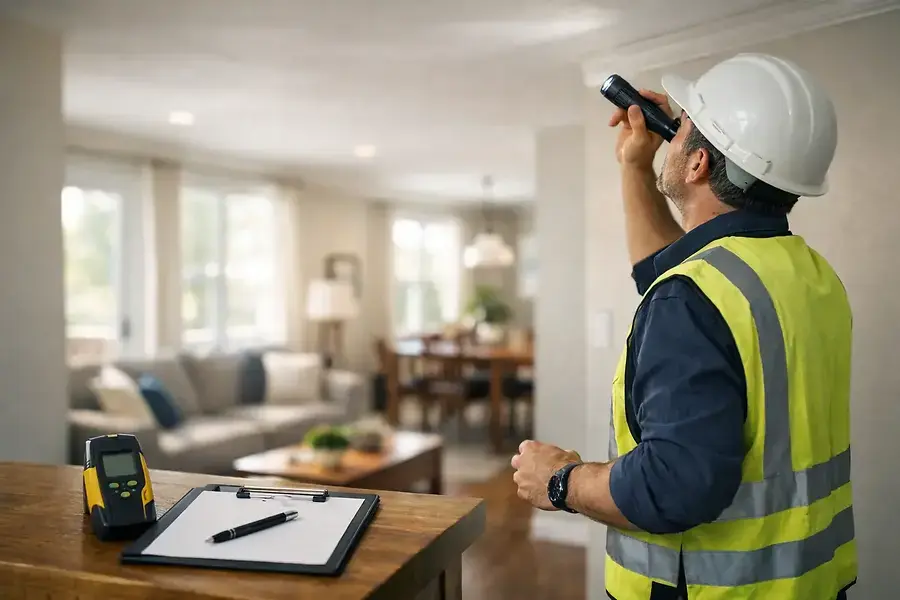
Introduction: Why Pre-Purchase Inspections Matter for Residential Buyers
Purchasing a home is one of the most significant financial decisions you'll make in your lifetime. Before signing on the dotted line, a professional home inspection is essential to protect your investment and ensure you're making an informed decision. A thorough inspection can reveal hidden issues that might cost thousands to repair, giving you the leverage to negotiate repairs or price adjustments with the seller.
Home inspections provide peace of mind and transparency about your potential purchase. Whether you're a first-time buyer or an experienced homeowner, understanding what inspectors look for and how to prepare your property can make the entire process smoother and more effective.
Key Areas Inspectors Evaluate: Structural, Systems, and Safety
Structural Components
Inspectors begin by examining the foundation, walls, and overall structural integrity of the home. They look for signs of settling, cracks, water damage, and deterioration that could compromise the building's stability. The roof is also carefully evaluated for missing shingles, leaks, and remaining lifespan. Proper structural assessment ensures the home will stand strong for years to come.
Electrical and Plumbing Systems
These critical systems are thoroughly tested to ensure safety and functionality. Inspectors check:
- Electrical systems: Panel condition, wiring safety, outlet functionality, and code compliance
- Plumbing systems: Water pressure, drainage, pipe condition, and potential leaks
- Water heater: Age, condition, and proper operation
Outdated or faulty electrical and plumbing systems can pose serious safety risks and require expensive upgrades.
HVAC and Climate Control
The heating, ventilation, and air conditioning systems are evaluated for age, maintenance history, and efficiency. Inspectors test both heating and cooling capabilities to ensure the home maintains comfortable temperatures year-round. A failing HVAC system can be one of the most costly replacements a homeowner faces.
Safety Features
Inspectors verify the presence and functionality of critical safety components, including:
- Smoke detectors and carbon monoxide detectors
- Fire extinguishers and emergency exits
- Handrails and stair safety
- Proper grounding and electrical safety measures
Interior and Exterior Condition
A comprehensive inspection includes evaluation of walls, ceilings, floors, windows, doors, insulation, and exterior siding. Inspectors look for water damage, mold, pest infestations, and general wear and tear. The attic and basement are also examined for moisture issues, proper ventilation, and structural concerns.
How to Prepare Your Home for Inspection and Address Common Issues
Before the Inspection Day
Clean and declutter: Make sure all areas are accessible. Remove items from closets, cabinets, and storage spaces so inspectors can examine walls and structural elements. A clean home also presents better and allows inspectors to spot potential issues more easily.
Ensure utilities are accessible: Make sure the electrical panel, water shut-off valve, and HVAC system are easily accessible. Inspectors need to examine these critical systems without obstacles.
Test all systems: Before the inspection, verify that lights, outlets, plumbing fixtures, heating, and cooling all work properly. Fix any obvious issues like leaky faucets or non-functioning outlets.
Addressing Common Issues
Water damage and leaks: Check for signs of water intrusion in basements, attics, and around windows. Address any active leaks immediately, as water damage can lead to mold and structural problems.
Roof condition: If your roof is aging, consider a professional roof inspection. Missing shingles or visible damage should be repaired before the home inspection.
HVAC maintenance: Have your heating and cooling systems serviced and filters replaced. A well-maintained system is more likely to pass inspection and demonstrates responsible homeownership.
Electrical safety: Ensure all outlets work, switches function properly, and there are no exposed wires. If you notice flickering lights or burning smells, have an electrician investigate before the inspection.
Pest control: Address any signs of pest infestation. Evidence of rodents, termites, or insects can be a major red flag for inspectors and future buyers.
Documentation and Maintenance Records
Gather all maintenance records, warranties, and documentation for major systems and repairs. This demonstrates that you've properly maintained the home and can help explain any issues that arise during the inspection. Having proof of regular maintenance can significantly impact the inspection outcome and buyer confidence.
Professional Pre-Inspection
Consider hiring a professional inspector to conduct a pre-inspection before the official one. This allows you to identify and address issues proactively, potentially saving time and money during the actual inspection process.
Conclusion: Taking Control of Your Home's Condition and Value
A thorough home inspection is a critical step in the buying or selling process. By understanding what inspectors evaluate and taking proactive steps to prepare your property, you can ensure a smoother transaction and protect your investment.
Remember: A well-maintained home with proper documentation and transparent disclosure of any issues will always perform better during inspection and appeal more to potential buyers.
Whether you're preparing to sell or planning to purchase, taking control of your home's condition demonstrates responsibility and builds confidence in the property's value. Don't leave your home's inspection to chance—prepare thoroughly, address issues promptly, and approach the process with transparency and professionalism.