The Complete Guide to Home Inspections for Residential Buyers
Discover what inspectors look for and how to protect your investment before closing.

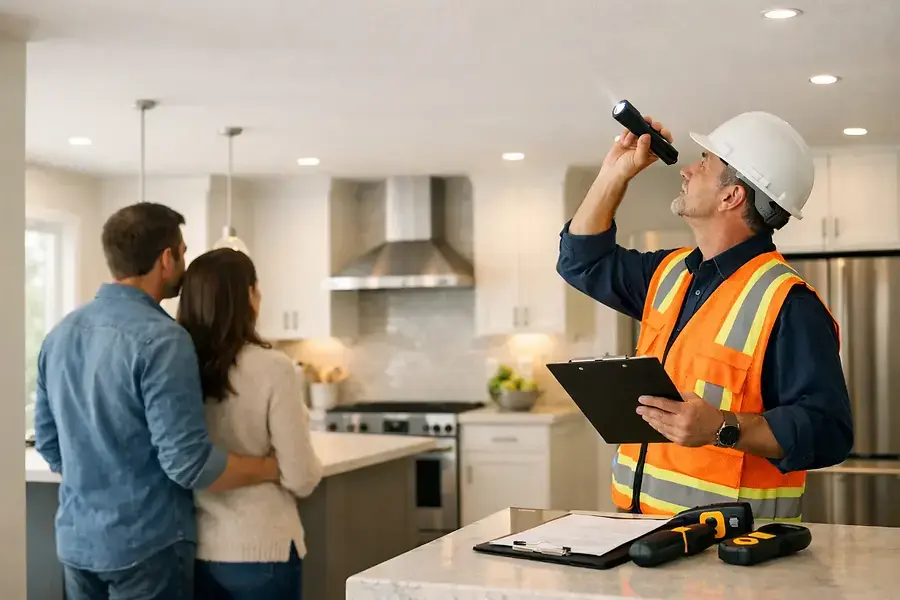
Understanding the Residential Inspection Process
A home inspection is one of the most critical steps in the residential buying process. This comprehensive evaluation of a property's condition gives you valuable insights into potential issues before you commit to the purchase. A licensed home inspector will spend several hours examining your prospective home, documenting everything from the foundation to the roof.
The inspection typically takes 2 to 4 hours depending on the home's size and age. During this time, the inspector will create a detailed report with photographs and descriptions of any defects or concerns found. This report becomes your roadmap for negotiating repairs or credits with the seller, making it an essential tool in protecting your investment.
Why Home Inspections Matter
Many buyers skip inspections to save money, but this is a risky decision. A professional inspection can reveal hidden problems that could cost thousands to repair later. From structural issues to outdated electrical systems, inspectors catch problems that untrained eyes might miss. This knowledge empowers you to make informed decisions about your purchase.
Key Areas Inspectors Evaluate in Your Home
Professional home inspectors follow a systematic approach, examining multiple systems and components throughout the property. Understanding what they look for helps you ask better questions and understand the report.
Structural Components
- Foundation: Inspectors check for cracks, settling, and water damage that could indicate serious structural problems
- Roof: Age, condition, missing shingles, and potential leaks are evaluated
- Walls and Siding: Exterior damage, rot, and weathering are assessed
- Windows and Doors: Proper sealing, operation, and condition are examined
Mechanical Systems
Inspectors thoroughly evaluate all major systems that keep your home functioning:
- HVAC System: Heating, ventilation, and air conditioning units are tested for proper operation
- Plumbing: Water pressure, drainage, and potential leaks are checked throughout the home
- Electrical System: Panel condition, wiring, outlets, and safety features are inspected
- Water Heater: Age, capacity, and condition are evaluated
Interior Elements
The inspector won't miss the details inside your home either:
- Insulation and ventilation in attics and crawl spaces
- Moisture and mold issues in basements and bathrooms
- Flooring condition and potential hazards
- Kitchen appliances and countertops
- Bathroom fixtures and tile work
"A thorough home inspection is your best defense against unexpected repairs and costly surprises after closing."
How to Prepare for Your Property Inspection
Proper preparation ensures the inspector can access all areas of the home and complete a thorough evaluation. Here's what you should do:
Before the Inspection Day
- Schedule wisely: Allow enough time for a complete inspection without rushing
- Coordinate with the seller: Ensure they know the inspection date and time
- Make a list: Note any concerns or problem areas you've noticed
- Gather documentation: Collect any maintenance records or warranties available
During the Inspection
Your presence during the inspection is invaluable. Walk through the home with the inspector and ask questions about anything you don't understand. Take notes on major findings and ask for clarification on technical terms. This is your opportunity to learn about the property's condition firsthand.
Pay special attention to:
- How the inspector tests systems and components
- Any areas they spend extra time examining
- Safety concerns they mention
- Maintenance recommendations they provide
After the Inspection
The inspector will typically provide a detailed report within 24 to 48 hours. Review it carefully and don't hesitate to ask for clarification on any findings. Some issues are minor and cosmetic, while others may require immediate attention or negotiation with the seller.
Taking Action on Inspection Findings and Next Steps
Once you have the inspection report, you'll need to decide how to proceed. This is where the real negotiation begins.
Categorizing Issues by Severity
Not all inspection findings are created equal. Organize them into categories:
- Critical Issues: Structural problems, electrical hazards, or major system failures that need immediate repair
- Significant Issues: Problems that will likely need attention within the next few years
- Minor Issues: Cosmetic or maintenance items that are less urgent
Negotiation Strategies
Use the inspection report as your negotiating tool. You have several options:
- Request repairs: Ask the seller to fix critical issues before closing
- Ask for credits: Request a reduction in the purchase price to cover repairs yourself
- Renegotiate terms: Adjust the closing timeline to allow for repairs
- Walk away: If issues are too severe, you may choose not to proceed with the purchase
Moving Forward Confidently
A thorough home inspection gives you the information needed to make a confident decision about your purchase. Whether you negotiate repairs, request credits, or accept the property as-is, you'll do so with full knowledge of what you're buying.
After closing, keep the inspection report for future reference. It serves as a baseline for your home's condition and helps you plan maintenance and repairs over time. Remember, a home inspection isn't about finding reasons to back out of a deal—it's about protecting your investment and ensuring you understand exactly what you're purchasing.