The Complete Guide to Home Inspections for Residential Buyers
Learn what home inspectors look for and how to protect your investment before closing.

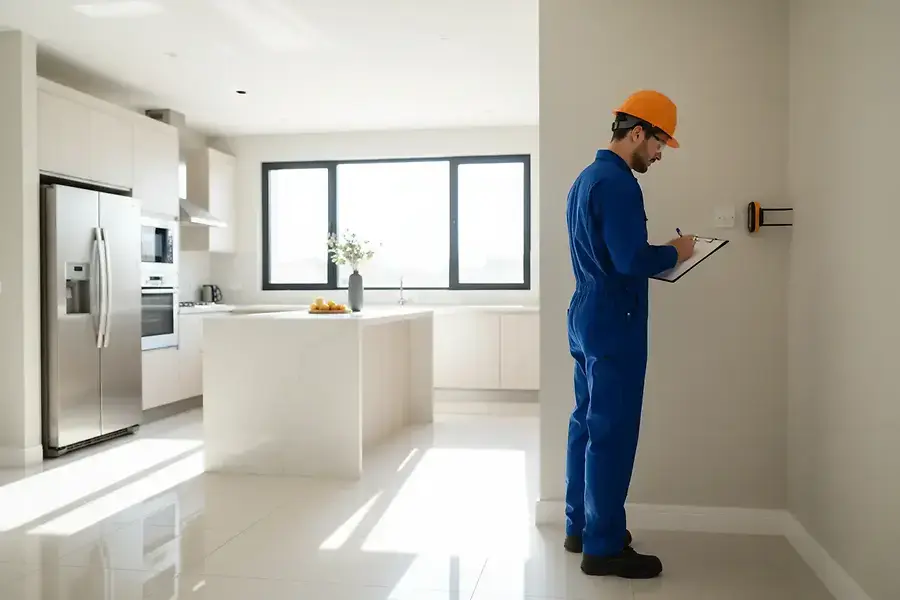
Introduction: Why Professional Home Inspections Matter for Residential Buyers
Purchasing a home is one of the most significant financial decisions you'll make in your lifetime. A professional home inspection is your safeguard against costly surprises after closing. A thorough inspection can reveal hidden problems that could cost thousands to repair, from structural issues to failing systems that aren't immediately visible to the untrained eye.
Home inspectors are trained professionals who conduct a comprehensive evaluation of a property's condition. They examine everything from the foundation to the roof, identifying potential problems that could affect your safety, comfort, and investment value. Skipping this crucial step could leave you vulnerable to expensive repairs and safety hazards.
This guide will walk you through the home inspection process, helping you understand what inspectors look for and how to use their findings to make informed decisions about your purchase.
What Inspectors Examine: Key Systems and Structural Components
Structural Elements
Home inspectors begin by evaluating the foundation, walls, and overall structural integrity of the property. They look for:
- Cracks in the foundation or basement walls
- Signs of settling or shifting
- Water damage or moisture intrusion
- Deterioration of structural beams and supports
A solid foundation is essential for a safe home, and any structural concerns should be taken seriously.
Roofing and Exterior
The roof protects your entire home from the elements. Inspectors examine:
- Roof age and remaining lifespan
- Missing, damaged, or curling shingles
- Flashing and gutter conditions
- Exterior siding, windows, and doors for damage or deterioration
A roof replacement can cost $10,000 or more, making this inspection critical for budgeting purposes.
Plumbing Systems
Water is essential, but leaks can cause significant damage. Inspectors check:
- Water pressure and flow
- Visible leaks under sinks and around fixtures
- Water heater condition and age
- Drain functionality
- Presence of outdated materials like galvanized pipes
Electrical Systems
Electrical safety is paramount. Inspectors evaluate:
- Panel condition and capacity
- Proper grounding and bonding
- Outlet and switch functionality
- Presence of outdated wiring (knob-and-tube or aluminum)
- GFCI protection in wet areas
HVAC Systems
Heating, ventilation, and air conditioning systems keep your home comfortable year-round. Inspectors assess:
- Furnace or heat pump age and condition
- Air conditioning unit functionality
- Ductwork for leaks or damage
- Thermostat operation
Additional Areas
Professional inspectors also examine:
- Insulation and ventilation in attics and crawl spaces
- Appliances included in the sale
- Basement or crawl space conditions
- Pest damage or signs of infestation
Red Flags and How to Interpret Your Inspection Report
Understanding the Report
After the inspection, you'll receive a detailed report categorizing findings by severity. Learn to distinguish between minor issues and major concerns. Most reports use categories like:
- Safety Issues – Problems that pose immediate danger
- Major Repairs – Significant systems needing replacement or repair
- Minor Issues – Small problems or maintenance items
- Recommendations – Suggested improvements or further evaluation
Common Red Flags
Certain findings should raise serious concerns:
- Foundation cracks or water damage – Can indicate structural problems or moisture issues
- Roof age over 20 years – Likely needs replacement soon
- Outdated electrical systems – Fire hazard and may not support modern appliances
- Plumbing leaks or corrosion – Can lead to water damage and mold
- HVAC system failure – Expensive to replace and essential for comfort
- Mold or pest damage – Health hazards requiring professional remediation
What's Negotiable
Not every finding means you should walk away. Use inspection results as a negotiation tool. You can request:
- Seller repairs before closing
- Credits toward repairs you'll handle yourself
- Price reductions reflecting repair costs
- Extended closing timelines for further evaluation
Remember: A professional inspection is your opportunity to make an informed decision before committing to the purchase.
Conclusion: Using Inspection Results to Negotiate and Secure Your Home Purchase
A home inspection is an investment in your peace of mind and financial security. The inspection report gives you concrete evidence to support negotiations with the seller, whether requesting repairs, credits, or price adjustments.
Don't let inspection findings intimidate you. Every home has some issues – the key is understanding their severity and impact on your decision. Work with your real estate agent and inspector to prioritize concerns and develop a strategy for addressing them.
By taking home inspections seriously and thoroughly reviewing the results, you're protecting your investment and ensuring you move into a safe, sound home. This due diligence is one of the smartest steps you can take as a residential buyer.
Your dream home awaits – make sure it's built on a solid foundation.


