The Complete Guide to Home Inspections for Rochester Buyers
Learn what experienced home inspectors look for and how to protect your investment before closing on a Rochester property.

Why Professional Home Inspections Matter in Rochester's Market
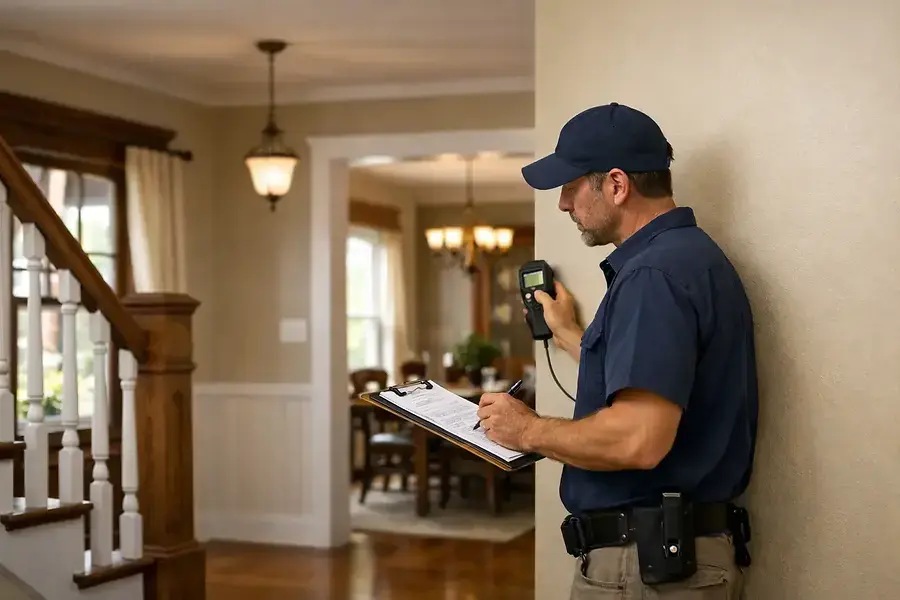
Purchasing a home is one of the most significant financial decisions you'll make in your lifetime. In Rochester's competitive real estate market, a professional home inspection serves as your critical safeguard against costly surprises after closing. An experienced home inspector acts as your advocate, providing an objective evaluation of the property's condition before you commit to the purchase.
Many first-time buyers underestimate the importance of inspections, viewing them as an optional expense. However, skipping this step can lead to discovering expensive structural issues, outdated electrical systems, or plumbing problems months after you've signed the papers. A thorough inspection typically costs between $300 and $500 but can save you thousands in unexpected repairs.
In Rochester's climate and housing stock, certain issues are particularly common. The region's freeze-thaw cycles, older construction methods, and aging infrastructure mean that properties often face unique challenges that require specialized knowledge to identify.
Understanding the Complete Home Inspection Process: What Gets Evaluated
Structural Components and Foundation
Professional inspectors begin by examining the home's foundation and structural integrity. They look for cracks in the foundation, signs of settling, water damage, and structural movement. In Rochester, where many homes are decades old, foundation issues can be particularly concerning due to soil composition and seasonal moisture changes.
Roofing and Exterior
The roof is one of your home's most critical protective barriers. Inspectors evaluate:
- Shingle condition and remaining lifespan
- Flashing around chimneys and vents
- Gutters and downspout functionality
- Exterior siding, trim, and caulking
- Windows and door seals
Rochester's harsh winters make roof condition especially important, as ice dams and snow load can cause significant damage to compromised roofing systems.
Plumbing Systems
Inspectors test water pressure, check for leaks, examine pipe materials, and assess the water heater's condition. Older Rochester homes often contain galvanized pipes that may be corroded or outdated polybutylene plumbing that's prone to failure. These discoveries can significantly impact your negotiating position.
Electrical Systems
A thorough electrical inspection includes:
- Panel capacity and condition
- Grounding and bonding
- Outlet and switch functionality
- Safety concerns like outdated wiring or improper installations
HVAC and Mechanical Systems
Inspectors evaluate heating and cooling systems, checking for proper operation, age, and maintenance history. They also assess ventilation, ductwork, and insulation levels throughout the home.
Interior Components
The inspection includes a detailed walkthrough of all accessible interior spaces, checking for water damage, mold, pest evidence, and the condition of walls, ceilings, and floors.
Red Flags and Common Issues Found in Rochester Homes: What to Watch For
Water Damage and Moisture Issues
Water intrusion is the most common problem in Rochester properties. Look for staining on ceilings, walls, or in basements. Moisture problems can lead to mold growth, structural decay, and expensive remediation. Pay special attention to basement conditions, as Rochester's water table and seasonal flooding can create persistent moisture challenges.
Outdated Electrical Systems
Older homes may have aluminum wiring, insufficient grounding, or inadequate panel capacity for modern electrical demands. These issues pose safety risks and may require costly upgrades to meet current code standards.
Aging HVAC Systems
Furnaces and air conditioning units typically last 15-20 years. If your inspection reveals aging systems, budget for replacement within the next few years. This is particularly important in Rochester, where reliable heating is essential.
Roof Deterioration
Asphalt shingles typically last 15-25 years. If your inspection shows significant wear, curling, or missing shingles, roof replacement should be factored into your offer negotiations.
Plumbing Concerns
Beyond pipe material issues, inspectors look for:
- Slow drains or drainage problems
- Water pressure inconsistencies
- Corroded or leaking fixtures
- Improper venting or slope in drain lines
Pest and Structural Damage
Evidence of termites, carpenter ants, or rodents requires immediate attention. Rochester's climate and older housing stock make pest issues more common than in newer developments. Structural damage from pests can compromise the home's integrity.
Using Inspection Results to Negotiate and Make Confident Purchasing Decisions
Understanding Your Inspection Report
A comprehensive inspection report categorizes findings by severity. Critical issues require immediate attention, while minor items may be deferred or handled through seller concessions. Take time to understand each finding and ask your inspector to clarify anything unclear.
Negotiation Strategies
Once you have your inspection results, you have several options:
- Request repairs: Ask the seller to fix critical issues before closing
- Negotiate credits: Request a price reduction to cover repair costs yourself
- Request escrow: Have funds held in escrow to ensure repairs are completed
- Walk away: If issues are too extensive, you may choose to terminate the purchase
In Rochester's market, sellers are often willing to negotiate on inspection findings, especially for significant issues. Your inspector's professional assessment carries substantial weight in these discussions.
Making Your Final Decision
Use inspection results alongside your financial situation and long-term plans. A home with minor cosmetic issues and solid bones is often a better investment than a property with hidden structural problems.
Remember: you're not looking for a perfect home, but rather understanding what you're buying and what future investments the property will require.
Consider getting a second opinion from a specialist if major issues are identified. For example, a structural engineer can assess foundation concerns, or a mold specialist can evaluate moisture problems. These additional evaluations provide peace of mind and strengthen your negotiating position.
Post-Inspection Next Steps
After negotiating inspection results, maintain documentation of all agreements. Ensure that any repairs requested are completed by licensed professionals and that you receive proof of work before closing. This protects your investment and ensures quality workmanship.
A professional home inspection is your opportunity to make an informed decision about one of life's biggest purchases. By understanding what inspectors evaluate, recognizing common Rochester-area issues, and using results strategically in negotiations, you'll close on your new home with confidence and clarity about your investment.


