The Complete Guide to Home Inspections in Bloomington, Illinois
Learn what professional home inspectors look for and how to protect your investment before closing on your Bloomington property.

Why Home Inspections Are Critical for Bloomington Buyers
Purchasing a home is one of the most significant financial decisions you'll make in your lifetime. In Bloomington, Illinois, where the real estate market is competitive and diverse, a professional home inspection is your best defense against unexpected costly repairs after closing. A thorough inspection provides you with detailed knowledge about the property's condition, helping you negotiate better terms or walk away if serious issues are discovered.
Many first-time homebuyers underestimate the importance of inspections, viewing them as an unnecessary expense. However, the average cost of a home inspection—typically between $300 and $500—is minimal compared to the potential costs of discovering major structural problems, electrical issues, or plumbing failures after you've already signed the deed. In Bloomington's climate, where homes face unique challenges from seasonal weather changes, an inspection is absolutely essential.
Understanding the Home Inspection Process and What Inspectors Evaluate
The Inspection Timeline and What to Expect
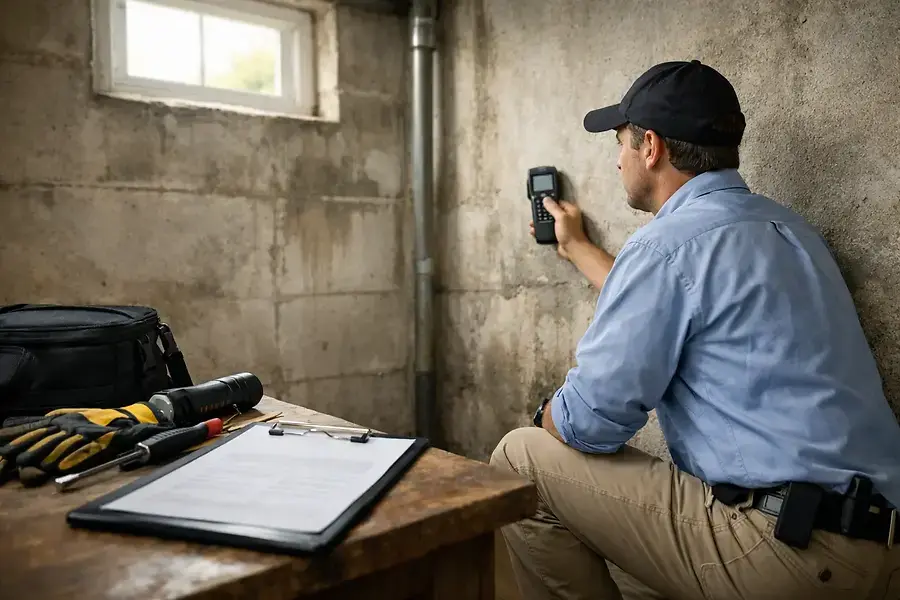
A standard home inspection typically takes two to four hours, depending on the property's size and age. During this time, a certified inspector will systematically examine both the interior and exterior of the home. You should plan to be present during the inspection so you can ask questions and learn about any concerns firsthand.
Key Areas Inspectors Examine
Professional home inspectors evaluate numerous critical systems and components:
- Structural Integrity: Foundation, walls, roof, and overall structural soundness
- Roofing System: Condition, age, and remaining lifespan of the roof
- Electrical Systems: Panel condition, wiring, outlets, and safety compliance
- Plumbing: Water pressure, drainage, pipe condition, and water heater functionality
- HVAC Systems: Heating, cooling, and ventilation efficiency and age
- Insulation and Ventilation: Energy efficiency and moisture control
- Interior Components: Walls, ceilings, floors, doors, and windows
- Exterior Elements: Siding, gutters, downspouts, and grading
- Basement and Crawl Spaces: Signs of water damage, mold, or structural issues
What Inspectors Don't Cover
It's important to understand that standard home inspections have limitations. Inspectors typically do not perform pest inspections, radon testing, or mold assessments—these require separate specialized inspections. They also don't evaluate the property's market value or provide repair cost estimates. If you suspect specific issues, you may want to hire specialized inspectors for a more thorough evaluation.
Common Issues Found in Bloomington Homes and Solutions to Consider
Roof and Weather-Related Damage
Bloomington's weather patterns, including heavy snow and ice in winter, can take a toll on roofing systems. Inspectors frequently find missing shingles, inadequate ventilation, and ice dam damage. Solution: If your inspection reveals roof issues, obtain repair quotes from licensed contractors. Depending on the severity, you may negotiate repairs before closing or request a credit toward repairs.
Foundation and Basement Moisture
Many Bloomington homes experience basement moisture issues due to the region's soil composition and water table levels. Signs include efflorescence (white mineral deposits), water stains, or active seepage. Solution: Have a waterproofing specialist assess the situation. Solutions range from improved grading and gutter systems to interior or exterior waterproofing installations.
Aging HVAC Systems
Older heating and cooling systems are common in Bloomington's established neighborhoods. An inspection may reveal units nearing the end of their lifespan. Solution: Budget for replacement if the system is over 15 years old. Modern, energy-efficient systems can reduce utility bills significantly.
Electrical System Updates
Homes built before the 1980s may have outdated electrical panels or insufficient capacity for modern appliances. Solution: Hire a licensed electrician to assess whether upgrades are needed. This is a safety issue that shouldn't be ignored.
Plumbing Concerns
Older homes may have galvanized pipes that are corroding or polybutylene pipes that are prone to failure. Solution: Get quotes for pipe replacement if necessary. While expensive, this prevents future water damage and emergency repairs.
Insulation and Energy Efficiency
Many Bloomington homes lack adequate insulation, leading to higher heating and cooling costs. Solution: Consider adding insulation to attics and crawl spaces. This investment pays for itself through reduced energy bills over time.
Making Informed Decisions Based on Your Inspection Report
Reviewing Your Inspection Report
Once the inspection is complete, you'll receive a detailed report documenting all findings. Take time to review it carefully and ask your inspector to clarify any items you don't understand. The report typically categorizes issues by severity: safety concerns, major repairs needed, and minor maintenance items.
Negotiating with the Seller
Armed with your inspection report, you have several options: request repairs before closing, ask for a credit toward repairs, or renegotiate the purchase price. In Bloomington's market, sellers are often willing to negotiate based on inspection findings. Your real estate agent can help you determine reasonable requests based on local market conditions.
Planning for Future Maintenance
Even if no major issues are found, use the inspection report as a roadmap for future maintenance. Understanding your home's systems and their condition helps you budget for upcoming repairs and replacements. Regular maintenance prevents small issues from becoming expensive problems.
When to Walk Away
If the inspection reveals extensive structural damage, major system failures, or evidence of serious problems like foundation issues or widespread mold, it may be wise to reconsider the purchase. Your inspection contingency protects your earnest money deposit if you decide to withdraw from the transaction based on inspection results.
Remember: A home inspection is an investment in peace of mind. It empowers you to make informed decisions about one of the largest purchases of your life. Don't skip this critical step in the home-buying process.


