The Complete Guide to Home Inspections in Fort Lauderdale
Learn what inspectors examine, common red flags, and how to use inspection reports to negotiate better deals.

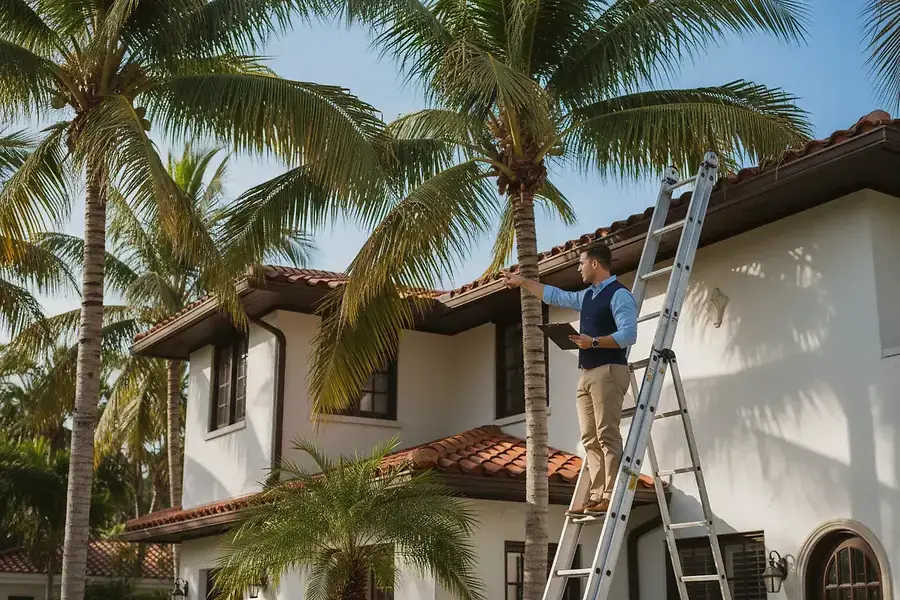
Understanding the Home Inspection Process
A home inspection is a critical step in the real estate transaction process that protects both buyers and sellers. During a typical inspection, a certified professional examines the property's structural components, systems, and overall condition. In Fort Lauderdale, where properties face unique environmental challenges, understanding this process is essential.
What Inspectors Examine
Professional home inspectors conduct a thorough evaluation of your property, typically lasting 2-4 hours. They assess:
- Structural elements: Foundation, walls, roof, and framing
- Roofing systems: Condition, age, and potential leaks
- Plumbing: Water pressure, drainage, and pipe conditions
- Electrical systems: Panel condition, wiring, and safety compliance
- HVAC systems: Functionality and maintenance requirements
- Appliances: Operational status of included fixtures
- Insulation and ventilation: Energy efficiency and moisture control
- Windows and doors: Sealing and operational integrity
The Inspector's Role
Inspectors provide an objective assessment of the property's condition. They document findings with photographs and detailed notes, creating a comprehensive report that becomes your roadmap for negotiations and future maintenance planning.
Common Issues Found in Fort Lauderdale Properties
Fort Lauderdale's tropical climate, high humidity, and proximity to saltwater create specific challenges for homeowners. Being aware of these common issues helps you identify potential problems early.
Water Damage and Moisture Issues
The humid subtropical climate makes moisture intrusion a primary concern. Inspectors frequently discover:
- Roof leaks from age and storm damage
- Foundation cracks allowing water seepage
- Inadequate drainage systems
- Mold growth in attics and crawl spaces
Corrosion and Salt Damage
Properties near the coast face accelerated corrosion. Salt air corrodes metal components, including air conditioning units, electrical fixtures, and metal roofing. Regular maintenance is crucial in these areas.
Hurricane-Related Concerns
Given Fort Lauderdale's hurricane exposure, inspectors pay special attention to:
- Roof condition and attachment strength
- Window and door reinforcement
- Structural integrity and bracing
- Proper installation of hurricane shutters or impact-resistant features
HVAC System Strain
The constant demand on air conditioning systems in this climate means they often require earlier replacement. Inspectors evaluate the system's age, efficiency, and remaining lifespan.
How to Prepare for and Review Your Inspection Report
Before the Inspection
Preparation ensures you get the most value from your inspection:
- Attend the inspection: Walk through with the inspector to ask questions and understand findings firsthand
- Provide access: Ensure all areas are accessible, including attics, basements, and utility rooms
- Gather documentation: Have previous inspection reports and maintenance records available
- Make a list: Note any concerns you've observed to discuss with the inspector
Understanding the Report
Home inspection reports typically categorize findings by severity:
- Critical issues: Problems requiring immediate attention for safety or functionality
- Major concerns: Significant repairs needed within the near future
- Minor issues: Maintenance items or cosmetic concerns
- Recommendations: Suggested improvements or monitoring
Red Flags to Watch For
Pay special attention to items marked as "safety hazards" or "major structural concerns." These typically form the basis of successful negotiations.
Common red flags include:
- Outdated electrical panels or aluminum wiring
- Asbestos or lead paint in older homes
- Failing septic systems
- Significant foundation cracks
- Roof age exceeding 20 years
- Mold contamination
Next Steps: Using Inspection Findings in Negotiations
Developing Your Strategy
Once you have the inspection report, you're positioned to negotiate effectively. Use documented findings as leverage to request repairs, credits, or price reductions.
Requesting Repairs or Credits
You have several options when addressing inspection issues:
- Request repairs: Ask the seller to fix critical issues before closing
- Negotiate credits: Receive a monetary credit to handle repairs yourself
- Request price reduction: Lower the purchase price to account for repairs
- Walk away: Use inspection contingencies to exit the deal if issues are severe
Prioritizing Issues
Not every finding requires negotiation. Focus on:
- Safety-critical items
- Expensive repairs (roof, foundation, HVAC)
- Issues affecting insurability or financing
- Problems that will worsen without immediate attention
Working with Professionals
Consider obtaining specialized inspections for major concerns. A structural engineer's assessment of foundation issues or a roofer's evaluation of roof condition strengthens your negotiating position. These expert opinions provide credibility when requesting significant concessions.
Documentation and Communication
Keep detailed records of all inspection findings and communications. Professional, documented negotiations are more successful than emotional appeals. Present your requests clearly, citing specific report sections and providing cost estimates for repairs when possible.
Remember: The goal of inspection negotiations is reaching a fair agreement that protects your investment. Whether you're buying or selling in Fort Lauderdale, understanding the inspection process empowers you to make informed decisions and secure the best possible outcome for your real estate transaction.


