The Complete Guide to Home Inspections in Greenwood, IN
Essential inspection tips to protect your investment when buying residential property in Greenwood.

Introduction: Why Home Inspections Matter in Greenwood's Market
Purchasing a home is one of the most significant financial decisions you'll make in your lifetime. In Greenwood, Indiana's competitive real estate market, a professional home inspection is not just a formality—it's your safeguard against costly surprises. A thorough inspection can reveal hidden problems that might not be visible during a casual walkthrough, potentially saving you thousands of dollars in repairs and renovations.
Home inspections provide you with detailed information about the property's condition, from the foundation to the roof. This knowledge empowers you to negotiate better terms, request repairs, or make an informed decision about whether to proceed with the purchase. Whether you're a first-time homebuyer or an experienced investor, understanding the inspection process in Greenwood is essential to protecting your investment.
What to Expect During a Professional Home Inspection
The Inspection Timeline and Process
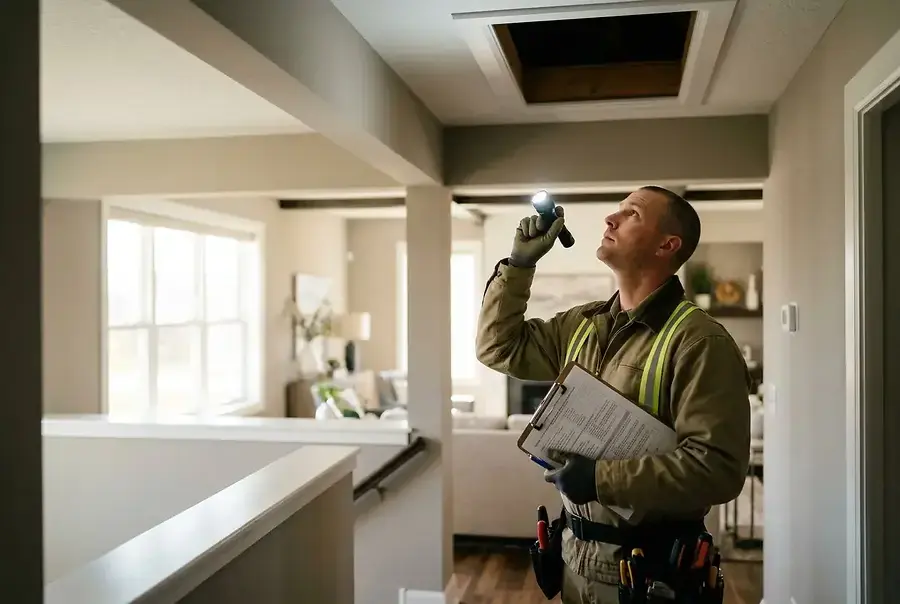
A typical home inspection in Greenwood takes between two to four hours, depending on the property's size and age. The inspector will systematically examine all accessible areas of the home, both inside and outside. You should plan to be present during the inspection so you can ask questions and learn about the property firsthand.
Key Areas Inspectors Examine
Professional home inspectors evaluate multiple critical systems and components:
- Structural Integrity: Foundation, walls, and overall structural soundness
- Roofing System: Condition, age, and remaining lifespan of the roof
- Electrical Systems: Wiring, panel condition, and safety compliance
- Plumbing: Water pressure, drainage, and potential leaks
- HVAC Systems: Heating, cooling, and ventilation functionality
- Insulation and Ventilation: Energy efficiency and moisture control
- Interior Components: Walls, ceilings, floors, doors, and windows
- Exterior Elements: Siding, gutters, downspouts, and grading
Understanding the Inspection Report
After the inspection, you'll receive a detailed report documenting the inspector's findings. This report categorizes issues by severity—from minor cosmetic concerns to major structural problems. Take time to review this report carefully and ask your real estate agent or inspector to clarify any technical terms or concerns you don't understand.
Common Issues Found in Greenwood Homes and How to Address Them
Roof and Attic Problems
Many Greenwood homes, particularly older properties, experience roof-related issues. Common problems include missing or damaged shingles, inadequate ventilation, and water damage in the attic. If your inspection reveals roof damage, obtain repair estimates from licensed contractors. Roof replacement can be expensive, so this finding significantly impacts your negotiating position.
Foundation and Basement Concerns
Indiana's freeze-thaw cycles can be tough on foundations. Inspectors often find cracks, water seepage, or efflorescence (white mineral deposits) in basements. While minor cracks are common, significant structural cracks require professional evaluation. Water intrusion issues should be addressed promptly to prevent mold growth and further damage.
HVAC System Age and Efficiency
Heating and cooling systems typically last 15-20 years. Many Greenwood homes have aging HVAC systems that may need replacement soon. Request documentation of recent maintenance and ask the inspector about the system's remaining lifespan. Budget for potential replacement costs in your offer negotiations.
Electrical System Updates
Older homes in Greenwood may have outdated electrical systems, including aluminum wiring or insufficient outlets. Modern homes should have adequate grounding and circuit capacity. If the inspection reveals electrical concerns, hire a licensed electrician for a secondary evaluation before making your final decision.
Plumbing Issues
Water pressure problems, slow drains, and outdated plumbing materials are frequently discovered during inspections. Some older Greenwood homes still have galvanized pipes that may corrode over time. Budget for potential plumbing updates if the inspection reveals significant issues.
Moisture and Mold Concerns
Indiana's humid climate makes moisture control critical. Inspectors look for signs of mold, mildew, and water damage. If mold is suspected, request a specialized mold inspection. Addressing moisture issues promptly prevents expensive remediation costs and protects your family's health.
Conclusion: Using Inspection Results to Make Confident Offers
A home inspection report is a powerful negotiating tool. Once you receive the results, you have several options:
- Request repairs: Ask the seller to fix significant issues before closing
- Negotiate credits: Request a price reduction to cover repair costs yourself
- Request re-inspection: Have the inspector verify that repairs were completed properly
- Renegotiate or withdraw: If major issues exist, you may renegotiate terms or walk away
Remember, no home is perfect. The goal of a home inspection is to identify issues so you can make an informed decision and budget accordingly. In Greenwood's real estate market, buyers who understand their property's condition negotiate better deals and avoid costly surprises after closing.
By investing in a professional home inspection and carefully reviewing the results, you're taking a crucial step toward protecting your investment and ensuring your new Greenwood home is a sound financial decision for years to come.