The Complete Guide to Home Inspections in Indianapolis
What every homebuyer needs to know before closing on an Indianapolis property.

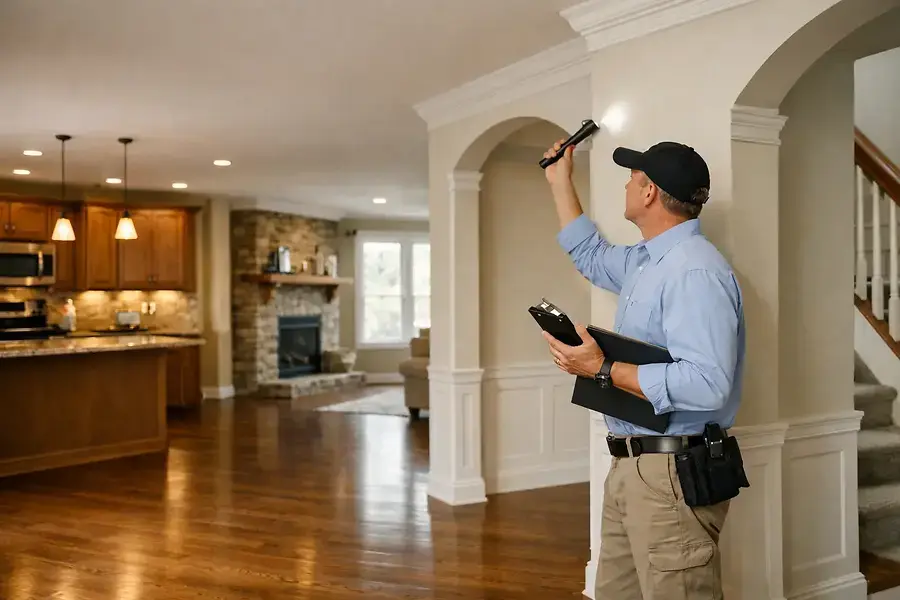
Why Home Inspections Matter in Indianapolis
Purchasing a home is one of the most significant investments you'll make in your lifetime. In Indianapolis, where the real estate market offers diverse neighborhoods and property types, a thorough home inspection is absolutely essential before closing on your purchase. A professional home inspection provides you with an independent, unbiased assessment of your potential property's condition, helping you make an informed decision and avoid costly surprises down the road.
Many first-time homebuyers underestimate the importance of inspections, viewing them as an optional expense. However, a comprehensive inspection can reveal hidden issues that might cost thousands of dollars to repair. Whether you're buying a historic home in Fountain Square or a newer construction in the suburbs, an inspection protects your investment and gives you peace of mind.
Common Issues Found in Indianapolis Residential Properties
Roof and Attic Concerns
Indianapolis homes frequently experience roof-related issues due to the region's weather patterns. Inspectors commonly find:
- Missing or damaged shingles from wind and hail damage
- Inadequate attic ventilation leading to moisture problems
- Flashing issues around chimneys and vents
- Aging roofing materials nearing the end of their lifespan
Foundation and Basement Problems
The clay-heavy soil composition in the Indianapolis area can create foundation challenges. Common findings include:
- Cracks in basement walls and floors
- Water intrusion and moisture issues
- Settling and structural movement
- Inadequate drainage systems around the foundation
HVAC and Mechanical Systems
Heating and cooling systems are critical in Indianapolis, where temperatures fluctuate significantly throughout the year. Inspectors frequently identify:
- Aging furnaces and air conditioning units
- Inadequate maintenance and cleaning
- Ductwork issues and poor insulation
- Outdated or malfunctioning thermostats
Plumbing and Electrical Systems
Older Indianapolis homes often contain outdated plumbing and electrical systems. Typical issues include:
- Galvanized or polybutylene pipes requiring replacement
- Outdated electrical panels with insufficient capacity
- Knob-and-tube wiring in historic homes
- Water pressure and drainage problems
Navigating the Inspection Process and Negotiating Repairs
Scheduling and Preparing for the Inspection
Once you've made an offer on an Indianapolis property, you'll typically have a contingency period—usually 7 to 10 days—to arrange and complete a home inspection. Schedule your inspection as soon as possible to ensure you have adequate time to review findings and negotiate if necessary. Make sure you're present during the inspection so you can ask questions and understand the inspector's concerns firsthand.
Understanding the Inspection Report
A comprehensive inspection report will categorize findings by severity level. The report typically includes:
- Critical Issues: Problems that pose safety risks or require immediate attention
- Major Issues: Significant repairs needed within the next few years
- Minor Issues: Maintenance items and cosmetic concerns
- Recommendations: Suggested improvements and preventative maintenance
Take time to thoroughly review the report and research any unfamiliar terms or systems mentioned.
Negotiating Repairs and Credits
After receiving the inspection report, you have several options for addressing identified issues:
- Request repairs: Ask the seller to fix critical and major issues before closing
- Request credits: Negotiate a reduction in the purchase price to cover repair costs yourself
- Request inspections: Ask for specialized inspections on specific systems (roof, foundation, HVAC)
- Accept as-is: Proceed without requesting changes, though this is rarely advisable
Pro Tip: Focus your negotiations on critical safety issues and major structural problems. Sellers are more likely to agree to address these than minor cosmetic concerns.
Working with Your Real Estate Agent
Your real estate agent plays a crucial role in the negotiation process. They understand local market conditions and can advise you on which requests are reasonable and likely to be accepted. Don't hesitate to ask your agent for guidance on prioritizing repairs and developing a negotiation strategy.
Protecting Your Investment Through Proper Due Diligence
A home inspection is just one component of thorough due diligence when purchasing an Indianapolis property. Consider these additional steps:
- Title search: Ensure the seller has clear ownership and there are no liens
- Survey: Verify property boundaries and identify any encroachments
- Appraisal: Confirm the property value supports your purchase price
- Neighborhood research: Investigate local schools, crime rates, and future development plans
By investing time and resources in a professional home inspection and comprehensive due diligence, you're taking control of one of life's biggest decisions. An inspection isn't just about finding problems—it's about gaining confidence in your purchase and understanding exactly what you're buying.
Remember, every home has issues. The goal of an inspection is to identify them so you can make an informed decision and negotiate appropriately. Whether you're a first-time homebuyer or an experienced investor, a thorough home inspection is your best defense against costly surprises and your pathway to a successful Indianapolis real estate transaction.


