The Complete Guide to Home Inspections in Traverse City
Discover the critical inspection checklist that protects your investment and reveals hidden issues before closing.
Why Home Inspections Matter in Traverse City
Purchasing a home is one of the most significant financial decisions you'll ever make. In Traverse City, where properties range from charming historic homes to modern lakefront estates, a thorough home inspection is not just recommended—it's essential. A professional inspection serves as your safeguard against costly surprises after closing, revealing structural issues, mechanical failures, and safety hazards that may not be visible to the untrained eye.
The Traverse City real estate market moves quickly, and buyers often feel pressured to make rapid decisions. However, skipping or rushing through a home inspection can lead to thousands of dollars in unexpected repairs. An inspection gives you the leverage to negotiate repairs, request credits, or walk away from a problematic property before your money is at risk.
Understanding the Inspection Process and What Gets Evaluated
The Inspection Timeline
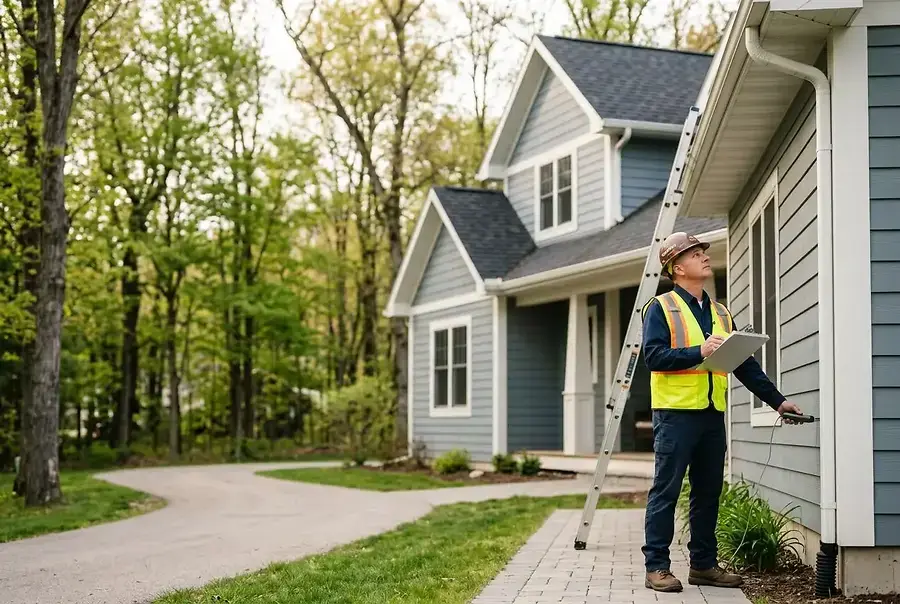
A standard home inspection typically takes 2-4 hours depending on the home's size and age. The inspector will examine both the interior and exterior of the property, documenting findings in a detailed report that you'll receive within 24-48 hours.
Key Areas Inspected
Professional home inspectors evaluate numerous systems and components:
- Structural Components: Foundation, walls, roof framing, and overall structural integrity
- Roofing: Shingles, flashing, gutters, and drainage systems
- Exterior: Siding, windows, doors, decks, and landscaping drainage
- Plumbing: Water supply lines, drain systems, fixtures, and water heater
- Electrical: Panel, wiring, outlets, switches, and safety devices
- HVAC: Heating, cooling, ventilation, and air quality systems
- Interior: Walls, ceilings, floors, doors, and built-in appliances
- Attic and Basement: Insulation, ventilation, moisture, and pest evidence
What Inspectors Don't Evaluate
It's important to understand that standard inspections have limitations. Inspectors typically do not test septic systems, wells, pools, or perform detailed pest inspections. They also won't move heavy furniture or access areas blocked by belongings. If you suspect specific issues, you may need specialized inspections from licensed professionals.
Common Issues Found in Traverse City Homes and Red Flags to Watch
Weather-Related Damage
Traverse City's climate presents unique challenges. Roof damage from heavy snow and ice is common, as are ice dams that cause water infiltration. Look for missing shingles, sagging roof lines, and water stains in attics and upper-floor ceilings. Gutters clogged with debris can exacerbate these problems.
Moisture and Mold Issues
The proximity to water and seasonal temperature fluctuations create ideal conditions for moisture problems. Basements and crawl spaces frequently show signs of water intrusion, efflorescence (white mineral deposits), or mold growth. Proper grading and drainage are critical in this region. Any musty odors or visible discoloration warrant further investigation.
Aging Systems
Many Traverse City homes, particularly those built before 1980, contain outdated electrical systems, plumbing, and heating. Knob-and-tube wiring and galvanized pipes are red flags that indicate the home needs significant updates. These systems may not meet current code requirements and pose safety risks.
Foundation Concerns
Older homes in the area sometimes exhibit foundation cracks, settling, or shifting. While minor cracks are common, horizontal cracks, bowing walls, or step cracks indicate serious structural problems requiring professional evaluation and potentially expensive repairs.
Pest Damage
Termites and carpenter ants are prevalent in Michigan. Look for evidence of wood damage, particularly in basements, crawl spaces, and around exterior wood. Inspectors will note any signs of infestation, though a dedicated pest inspection may be necessary for confirmation.
Septic and Well Systems
Properties outside municipal water and sewer systems require special attention. Septic system failures are expensive to repair, and well water quality can vary. Request specialized inspections for these systems before committing to purchase.
Using Inspection Results to Negotiate and Make Informed Decisions
Reviewing Your Inspection Report
Once you receive your inspection report, take time to understand it thoroughly. Reports typically categorize findings as safety issues, major concerns, and minor maintenance items. Don't ignore minor issues—they can compound over time and become expensive problems.
Negotiation Strategies
Armed with inspection findings, you have several options:
- Request repairs: Ask the seller to fix significant issues before closing
- Request credits: Negotiate a price reduction to cover repair costs yourself
- Request inspections: Ask for specialized inspections on specific systems
- Renegotiate terms: Adjust closing timeline or contingencies based on findings
Be strategic in your requests. Sellers are more likely to agree to reasonable demands than extensive repair lists. Prioritize safety issues and major systems over cosmetic concerns.
When to Walk Away
Sometimes, inspection results reveal problems too extensive or expensive to justify the purchase. Significant foundation damage, extensive mold, or major system failures may indicate the property isn't worth the investment. Your inspection contingency protects your right to withdraw from the purchase without penalty.
Planning for Future Maintenance
Even if you proceed with the purchase, use inspection findings to plan maintenance and budgeting. Understanding your home's condition helps you prioritize repairs, schedule preventive maintenance, and avoid costly emergency situations.
"A home inspection is not an expense—it's an investment in peace of mind and financial protection. The small cost of an inspection can save you tens of thousands in unexpected repairs."
Conclusion: Making Your Traverse City Home Purchase Secure
Home inspections are your most powerful tool for making informed real estate decisions in Traverse City. By understanding what inspectors evaluate, recognizing common local issues, and knowing how to use inspection results, you protect your investment and avoid costly surprises.
Don't let the excitement of finding your dream home override due diligence. Invest in a thorough professional inspection, review findings carefully, and use the results to negotiate confidently. Whether you're buying a historic Victorian, a modern condo, or a waterfront property, a comprehensive inspection ensures you're making a sound financial decision.
Your future self will thank you for taking this critical step before closing on your Traverse City home.


