The Complete Guide to Home Inspections in Virginia Beach
Learn what inspectors examine, common issues in coastal homes, and how to protect your investment.

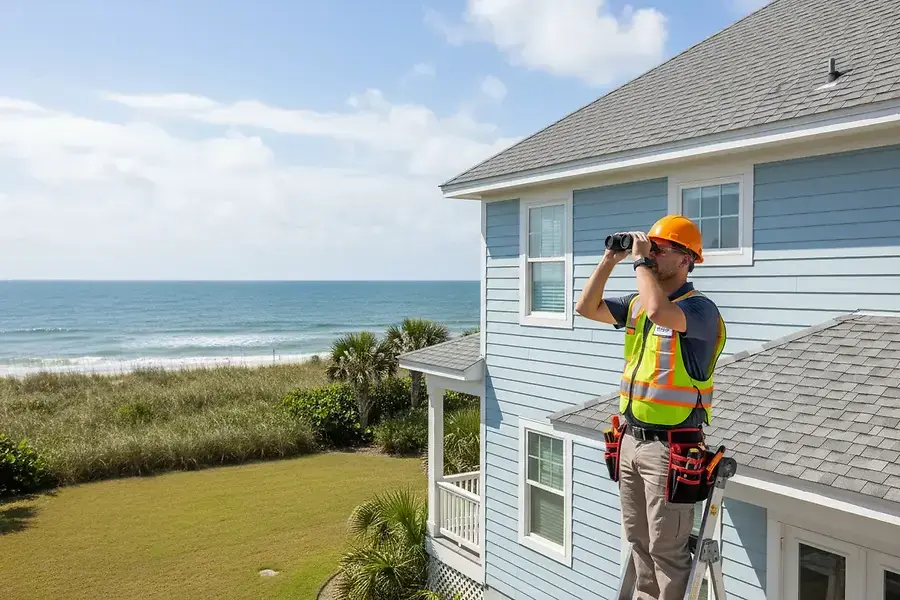
Why Professional Home Inspections Matter for Virginia Beach Buyers
Purchasing a home is one of the most significant investments you'll make in your lifetime. In Virginia Beach, where coastal properties face unique environmental challenges, a professional home inspection is not just recommended—it's essential. A thorough inspection provides you with a detailed understanding of your potential property's condition, helping you make informed decisions and avoid costly surprises down the road.
Home inspections serve as your protection against hidden defects and structural issues that may not be visible during a casual walkthrough. For Virginia Beach properties specifically, inspectors look for problems related to salt air corrosion, moisture damage, and other coastal-specific concerns that can significantly impact your home's longevity and value.
What Inspectors Examine: Key Areas in Coastal Properties
Structural Components and Foundation
Professional inspectors begin by evaluating the home's foundation and structural integrity. In Virginia Beach, where soil conditions and water tables vary, foundation issues are particularly important to assess. Inspectors look for cracks, settling, and signs of water intrusion that could indicate serious problems.
Roofing and Weather Protection
The roof is your home's first line of defense against the elements. Inspectors examine:
- Shingle condition and age
- Flashing around chimneys and vents
- Gutters and drainage systems
- Signs of leaks or water damage in attics
- Ventilation adequacy
In coastal areas, proper roof maintenance is critical due to salt spray and high winds.
Plumbing and Water Systems
Inspectors test all water fixtures, check for leaks, and evaluate the water heater. They also assess the septic system or municipal connections. Corrosion from salt air is a common concern in Virginia Beach plumbing systems, so inspectors pay special attention to pipe materials and connections.
Electrical Systems
A complete electrical inspection includes checking the panel, outlets, switches, and wiring. Inspectors verify that the system meets current safety codes and can handle the home's electrical demands. Moisture and salt air can accelerate electrical component deterioration, making this inspection particularly important for coastal properties.
HVAC and Climate Control
Heating, ventilation, and air conditioning systems are tested for proper operation. Inspectors evaluate the age of equipment, efficiency, and maintenance history. In Virginia Beach's humid climate, proper HVAC function is essential for comfort and preventing mold growth.
Insulation and Ventilation
Adequate insulation and ventilation prevent moisture buildup and reduce energy costs. Inspectors assess attic conditions, wall insulation, and overall ventilation to ensure your home maintains proper humidity levels.
Common Issues Found in Virginia Beach Homes and Negotiation Strategies
Salt Air Corrosion
One of the most prevalent issues in Virginia Beach homes is corrosion caused by salt air. This affects:
- Metal fixtures and hardware
- HVAC components
- Electrical connections
- Plumbing systems
When corrosion is discovered, you can negotiate for repairs or request a credit toward maintenance costs.
Moisture and Mold Issues
The coastal climate creates ideal conditions for moisture accumulation and mold growth. Inspectors look for:
- Water stains on ceilings and walls
- Musty odors
- Visible mold growth
- Poor drainage around the foundation
If moisture issues are found, request a professional mold assessment and negotiate for remediation before closing.
Foundation and Drainage Problems
Virginia Beach's water table and soil composition can lead to foundation settling and drainage issues. Common findings include:
- Cracks in the foundation
- Water in basements or crawl spaces
- Poor grading around the property
- Inadequate sump pump systems
These issues require professional assessment and may warrant significant negotiations or price reductions.
Roof and Weather Damage
Coastal storms and salt spray take their toll on roofing materials. Inspectors commonly find:
- Missing or damaged shingles
- Deteriorated flashing
- Clogged gutters
- Shortened roof lifespan
Request a roof inspection report and negotiate for repairs or replacement if the roof is nearing the end of its life.
Negotiation Strategies
Once your inspection is complete, you have several options:
- Request repairs: Ask the seller to fix identified issues before closing.
- Negotiate credits: Request a credit toward closing costs to handle repairs yourself.
- Price reduction: Negotiate a lower purchase price to account for necessary repairs.
- Walk away: If major issues are discovered, you may have grounds to terminate the contract.
The key is to approach negotiations professionally and with documentation from your inspector's report.
Using Inspection Results to Make Confident Purchase Decisions
A comprehensive home inspection report provides the foundation for making a confident purchase decision. Review the report carefully and discuss findings with your real estate agent and inspector. Understand which issues are cosmetic, which require immediate attention, and which might affect the home's long-term value.
Consider the cost of repairs when evaluating whether the property remains a good investment. Factor in maintenance costs for coastal properties, which tend to be higher due to environmental factors.
A thorough inspection isn't about finding reasons to walk away—it's about understanding exactly what you're buying and making an informed decision.
Don't skip the inspection to save money or speed up the process. The small investment in a professional inspection can save you thousands in unexpected repairs and provide peace of mind in your Virginia Beach home purchase. With this knowledge, you'll be equipped to negotiate effectively and invest confidently in your new coastal home.