The Complete Guide to Home Inspections When Buying in Reno
Learn the critical inspection process that protects your investment in Reno's competitive real estate market.

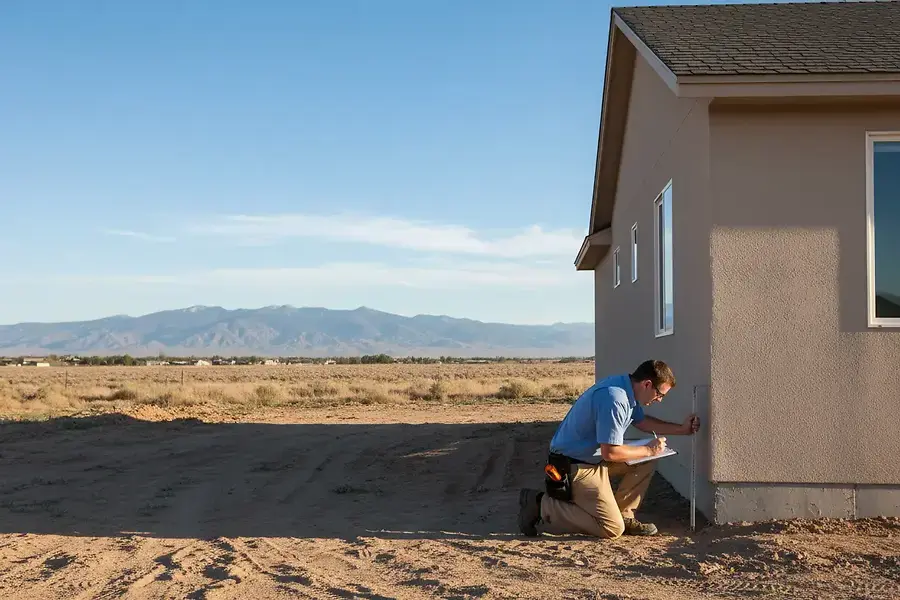
Understanding the Home Inspection Process in Reno
Buying a home in Reno is an exciting milestone, but it's also one of the most significant financial decisions you'll make. A professional home inspection is your safeguard against costly surprises after closing. In Reno's competitive real estate market, understanding the inspection process can mean the difference between a smart investment and a problematic purchase.
A typical home inspection in Reno takes between two to four hours, depending on the property's size and age. During this time, a licensed inspector will examine the home's structural components, electrical systems, plumbing, HVAC, roofing, and more. You have the right to be present during the inspection, and it's highly recommended that you attend to ask questions and gain firsthand knowledge about your potential new home.
What Inspectors Look For
Professional inspectors follow a systematic approach to evaluate every aspect of the property. They assess:
- Foundation and structural integrity – checking for cracks, settling, or water damage
- Roof condition – evaluating age, wear, and potential leaks
- Electrical systems – ensuring safety and proper functionality
- Plumbing – testing water pressure, drainage, and checking for leaks
- HVAC systems – verifying heating and cooling efficiency
- Insulation and ventilation – assessing energy efficiency
- Appliances – testing included fixtures for proper operation
After the inspection, you'll receive a detailed report documenting findings, photographs, and recommendations for repairs or further evaluation by specialists.
Common Issues Found in Reno Properties and How to Address Them
Reno's unique climate and geography create specific challenges for homeowners. Understanding these common issues helps you prepare for what inspectors might discover.
Desert Climate Challenges
Reno's high desert environment presents particular concerns. Extreme temperature fluctuations can cause foundation settling and roof material deterioration. Additionally, low humidity can lead to wood shrinkage and cracking in older homes. Inspectors will pay close attention to how properties have weathered these conditions.
Water Damage and Drainage Issues
Despite the arid climate, water damage remains a common problem in Reno properties. Poor grading around the foundation, inadequate gutters, or compromised sump pumps can lead to basement moisture and mold growth. This is one of the most critical issues to address, as water damage can compromise structural integrity and create health hazards.
Aging Systems and Outdated Components
Many Reno homes were built decades ago with systems that may be nearing the end of their lifespan. Older electrical panels, galvanized plumbing, and original HVAC systems are frequently discovered during inspections. While not always deal-breakers, these findings should factor into your negotiation strategy.
Roof and Exterior Concerns
Reno's intense sun exposure can accelerate roof aging. Inspectors will evaluate remaining roof life and look for missing shingles, flashing issues, or structural damage. Similarly, exterior paint, siding, and weatherproofing require careful assessment given the harsh desert conditions.
Negotiating Repairs and Credits After Your Inspection
Once you receive the inspection report, you enter the negotiation phase. This is where your inspection investment truly pays off.
Prioritizing Issues
Not every finding requires negotiation. Work with your real estate agent to categorize issues into three groups:
- Critical repairs – structural, safety, or major system issues that must be addressed
- Important repairs – items that will likely need attention within a few years
- Minor issues – cosmetic or low-priority items you might handle yourself
Focus your negotiation efforts on critical and important repairs. Sellers are more likely to respond favorably to reasonable requests for significant issues.
Repair Credits vs. Seller Repairs
You have two main options when negotiating: request that the seller complete repairs before closing, or ask for a credit to handle repairs yourself. Each approach has advantages. Seller repairs provide certainty that work meets your standards, while credits give you flexibility to choose contractors and potentially save money on minor items.
In Reno's competitive market, sellers may resist extensive repair requests. Be prepared to compromise by requesting credits for major issues while allowing the seller to handle minor repairs.
Getting Contractor Estimates
Before negotiating, obtain written estimates from licensed contractors for significant repairs. This documentation strengthens your negotiating position and ensures you're requesting reasonable amounts. Never ask for credits that exceed actual repair costs – this approach backfires and damages your credibility.
Making Your Final Decision with Confidence
After inspections and negotiations, you're ready to make your final decision. This is where all the information you've gathered comes together.
Evaluating the Big Picture
Consider the inspection findings in context. A home with minor cosmetic issues and solid structural integrity is very different from one with foundation problems or failing systems. Ask yourself: Can I live with these issues? Are the repairs manageable within my budget? Does this property still represent good value?
Remember that no home is perfect. Even newly constructed homes have minor issues. The question isn't whether problems exist, but whether they're acceptable given the purchase price and your long-term plans.
Contingency Considerations
Your inspection contingency period is your opportunity to walk away if serious issues emerge. However, backing out should be a last resort after thorough negotiation. Most inspection issues can be resolved through repair requests or price adjustments.
Moving Forward with Confidence
Once you've addressed inspection concerns through negotiation or accepted remaining issues, you can move forward with confidence. You've done your due diligence, understood the property's condition, and made an informed decision. This knowledge protects your investment and helps you plan for future maintenance and improvements.
Buying a home in Reno's dynamic market requires careful attention to detail. A thorough home inspection and thoughtful negotiation process ensure you're making the best possible investment in your future.


