The Complete Guide to Home Staging: Attract More Buyers and Sell Faster
Learn proven staging techniques that showcase your residential property's best features and accelerate your sale.

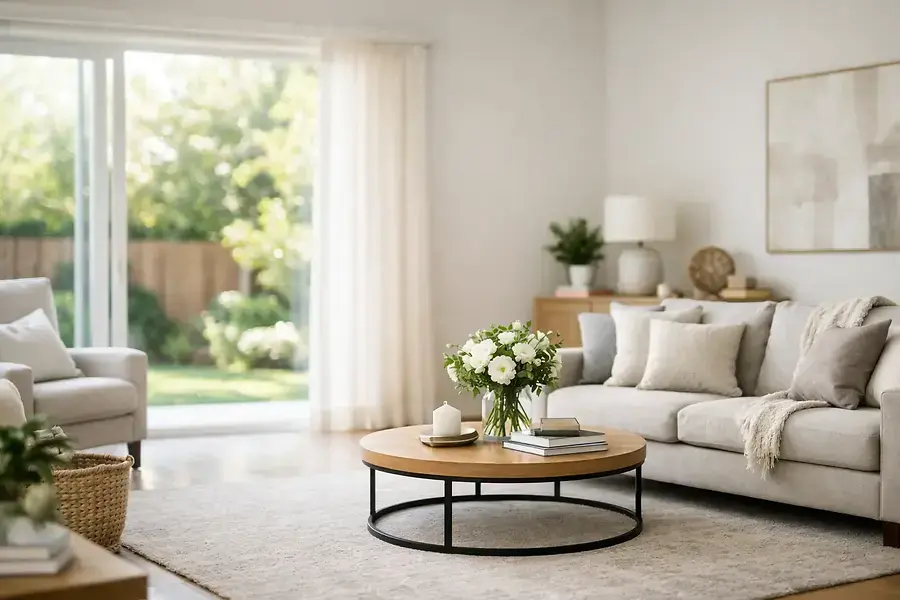
Why Home Staging Matters in Today's Competitive Real Estate Market
In today's fast-paced real estate market, first impressions are everything. Home staging has become an essential strategy for sellers who want to maximize their property's appeal and accelerate the selling process. When potential buyers walk through your door, they're not just looking at a house—they're envisioning their future home. Effective staging transforms your property into a compelling narrative that resonates with buyers emotionally and practically.
The statistics speak for themselves. Staged homes typically sell faster and at higher prices compared to unstaged properties. By strategically presenting your home's best features and minimizing distractions, you create an environment where buyers can imagine themselves living comfortably. This psychological advantage can be the difference between a quick sale and months on the market.
Essential Staging Techniques to Highlight Your Home's Strengths
Create a Welcoming Entrance
Your home's entrance sets the tone for the entire viewing experience. The front door and entryway should be immaculate and inviting. Consider these key elements:
- Paint the front door a bold, welcoming color that complements your home's exterior
- Add fresh flowers or potted plants to the entrance area
- Ensure the porch is clean, well-lit, and free of clutter
- Install new house numbers and hardware for a polished appearance
Maximize Natural Light
Lighting dramatically impacts how buyers perceive your home's size, cleanliness, and overall appeal. Natural light is one of the most valuable assets in any property. Open all curtains and blinds during showings to flood your home with daylight. Clean windows thoroughly to allow maximum light penetration, and consider trimming outdoor vegetation that may block sunlight from entering your rooms.
Highlight Key Features
Every home has unique selling points. Whether it's architectural details, a fireplace, built-in shelving, or hardwood floors, staging should draw attention to these features. Arrange furniture to frame these elements, use accent lighting to highlight them, and keep the surrounding areas uncluttered so they become focal points rather than background details.
Decluttering, Lighting, and Design Strategies That Appeal to Buyers
The Power of Decluttering
One of the most impactful staging techniques is removing excess belongings and personal items. A cluttered home feels smaller and makes it difficult for buyers to visualize their own possessions in the space. Follow these decluttering principles:
- Remove 30-50% of your personal items and decorations
- Store seasonal items, excess furniture, and hobby equipment off-site
- Clear kitchen countertops of appliances and utensils
- Minimize bedroom furniture to make rooms appear larger
- Remove family photos and highly personal memorabilia
Strategic Lighting Design
Beyond natural light, artificial lighting plays a crucial role in home staging. Proper lighting creates ambiance and highlights your home's best features. Ensure all light fixtures are functional and use warm-toned bulbs to create an inviting atmosphere. Layer your lighting with overhead fixtures, task lighting, and accent lights to create depth and visual interest in each room.
Neutral Color Palette and Design
While your personal style is important to you, buyers need to envision their own aesthetic in your home. Neutral wall colors, flooring, and furnishings create a blank canvas for buyers' imaginations. Consider these design strategies:
- Paint walls in soft, neutral tones like beige, gray, or soft white
- Use neutral furniture and decor to maintain focus on the home's architecture
- Add pops of color through easily removable accessories like throw pillows and artwork
- Ensure all flooring is clean and in good condition
- Use mirrors strategically to reflect light and create the illusion of space
Room-by-Room Staging Tips
Living Room: Arrange furniture to create conversation areas and highlight the room's flow. Remove excess furniture to make the space feel larger and more inviting.
Kitchen: Clean appliances thoroughly, clear countertops, and add fresh fruit or flowers as simple, appealing accents. Ensure cabinet hardware is polished and modern-looking.
Bedrooms: Make beds with high-quality, neutral bedding. Remove excess furniture and personal items. Ensure closets are organized and appear spacious.
Bathrooms: Stock fresh towels, add subtle scents, and ensure everything is spotlessly clean. Remove personal hygiene items and excess bottles from countertops.
Transform Your Property's Presentation and Maximize Your Selling Potential
Home staging is an investment in your property's marketability and your bottom line. By implementing these proven techniques, you're not just preparing your home for sale—you're creating an emotional connection with potential buyers that motivates them to make an offer.
Remember, staging is about creating possibilities, not perfection. The goal is to help buyers envision their future in your home while highlighting its best features and minimizing distractions.
Start with the most visible areas—your entrance, living room, and kitchen—and work your way through each room systematically. Consider hiring a professional stager if you're unsure about your design choices. The investment typically pays for itself through faster sales and higher selling prices.
In today's competitive real estate market, home staging is no longer optional—it's essential. By decluttering, optimizing lighting, and implementing strategic design choices, you'll attract more qualified buyers, generate more showings, and ultimately sell your home faster and for a better price. Your home's potential is waiting to be revealed.


