The Complete Guide to Home Staging for Faster Sales and Better Offers
Transform your property into an irresistible showcase that captures buyer attention and commands top dollar.

Introduction: The Power of First Impressions in Home Sales
When it comes to selling your home, the first impression can make or break a deal. Home staging is the strategic art of preparing your property to appeal to the widest range of potential buyers, and it's one of the most effective tools in your real estate arsenal. Studies show that staged homes sell faster and often command higher prices than unstaged properties.
The reality is simple: buyers make emotional decisions about homes within the first few minutes of viewing. If your property doesn't capture their attention and imagination during those critical moments, they'll move on to the next listing. Home staging eliminates distractions, highlights strengths, and creates an emotional connection that transforms a house into a dream home in the buyer's mind.
Whether you're working with a professional stager or taking the DIY approach, understanding the principles of effective staging can significantly impact your bottom line. Let's explore how to transform your property into an irresistible showcase.
Essential Staging Techniques That Highlight Your Home's Best Features
Declutter and Depersonalize
The first step in staging is removing excess items that distract from your home's architecture and layout. Buyers need to envision themselves living in your space, and personal photos, collections, and memorabilia can interfere with that vision.
- Remove 30-50% of items from closets and shelves
- Pack away family photos and personal artwork
- Clear countertops of appliances and clutter
- Organize remaining items in a minimalist style
Enhance Curb Appeal
Your home's exterior is the first thing buyers see. Curb appeal sets the tone for the entire viewing experience and can significantly influence buyer perception before they even step inside.
- Refresh landscaping with mulch, plants, and flowers
- Paint the front door a welcoming color
- Clean windows, gutters, and siding thoroughly
- Ensure the entryway is well-lit and inviting
- Add a new mailbox or house numbers if needed
Optimize Lighting
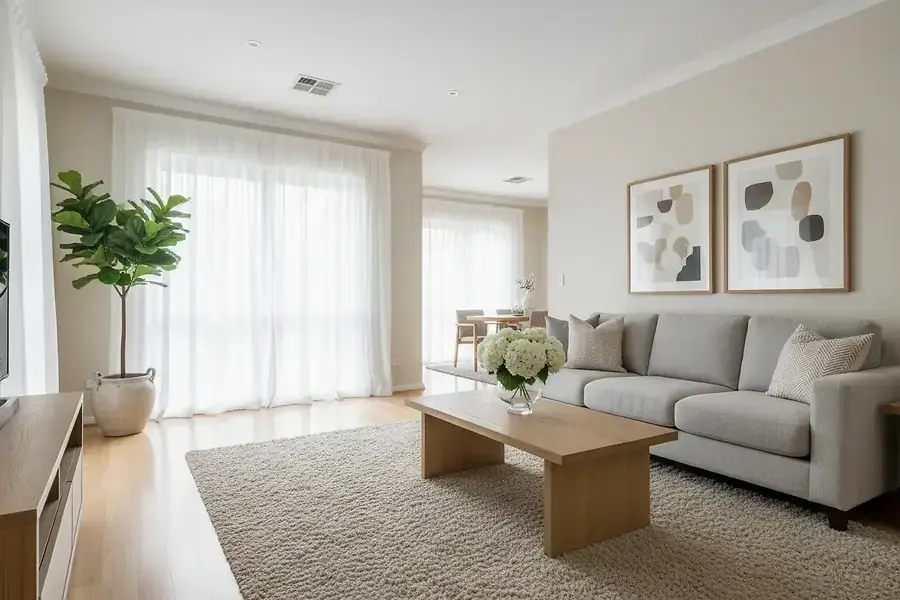
Proper lighting can transform any space. Bright, well-lit homes feel more spacious, clean, and welcoming. Open all curtains and blinds during showings to maximize natural light, and supplement with strategic artificial lighting in darker areas.
Create Neutral Spaces
While bold colors and unique décor reflect your personality, they can limit buyer appeal. Neutral paint colors, simple furnishings, and classic décor allow buyers to imagine their own style in the space. Consider repainting walls in soft, universal colors like beige, gray, or soft white.
Arrange Furniture for Flow
Proper furniture arrangement is crucial for showcasing your home's layout and functionality. Remove oversized furniture that makes rooms feel cramped, and arrange remaining pieces to create clear pathways and define functional spaces.
- Position furniture to highlight room dimensions
- Create conversation areas in living spaces
- Ensure doorways and hallways are unobstructed
- Use area rugs to define separate zones
Add Strategic Accessories
While decluttering is essential, carefully chosen accessories add warmth and appeal. Fresh flowers, tasteful artwork, throw pillows, and decorative items create an inviting atmosphere without overwhelming the space.
Common Staging Mistakes Sellers Make and How to Avoid Them
Over-Personalizing Your Space
One of the biggest mistakes is leaving too many personal touches visible. While your family photos and unique décor are meaningful to you, they can distract buyers from envisioning their own lives in the home. Pack away personal items and create a blank canvas for buyer imagination.
Neglecting Maintenance Issues
Staging doesn't mean hiding problems—it means presenting your home in its best condition. Fix leaky faucets, patch walls, repair broken fixtures, and address any visible maintenance issues. Buyers notice these details and may use them as negotiation points.
Ignoring Odors
Unpleasant smells can instantly turn buyers away. Avoid strong cooking odors, pet smells, and musty scents. Instead, ensure your home is fresh and clean. A subtle scent of fresh flowers or baked goods can create a positive emotional response, but avoid artificial air fresheners that may seem like you're hiding something.
Overcrowding Rooms
Too much furniture makes rooms feel smaller and cluttered. Remove excess pieces to create a sense of spaciousness and allow buyers to move freely through each room. Less is more when it comes to effective staging.
Poor Lighting Choices
Dark rooms feel unwelcoming and smaller. Avoid dim lighting or heavy curtains during showings. Open all window treatments, replace dim bulbs with brighter alternatives, and add lamps to dark corners to create an airy, inviting atmosphere.
Staging Only Visible Areas
Don't neglect closets, cabinets, and storage spaces. Buyers often open these areas to assess storage capacity. Organize and declutter these spaces just as carefully as your main living areas. A well-organized closet can be a major selling point.
Using Trendy Décor
While trendy items might appeal to you, they can quickly date your home in photos and showings. Stick with timeless, classic décor that will appeal to a broad range of buyers and won't look outdated in listing photos.
Conclusion: Turning Staging Into Faster Sales and Higher Offers
Home staging is an investment that typically pays for itself many times over through faster sales and higher offers. By strategically presenting your home's best features and creating an emotional connection with buyers, you're not just selling a property—you're selling a lifestyle and a dream.
The key to successful staging is viewing your home through a buyer's eyes. What distracts from the space? What makes it feel cramped or dated? What would make you fall in love with this home if you were seeing it for the first time?
Whether you invest in professional staging services or implement these techniques yourself, the effort you put into preparing your home will directly impact your bottom line. In today's competitive real estate market, staging isn't optional—it's essential. Transform your property into an irresistible showcase, and watch as serious buyers compete to make your home their own.
Remember: You never get a second chance to make a first impression. Make it count.


