The Complete Guide to Home Staging for Faster Sales and Higher Prices
Learn proven staging techniques that help homes sell faster and at higher prices.

Introduction: Why Staging Matters in Today's Competitive Market
In today's fast-paced real estate market, first impressions are everything. Potential buyers often make decisions within minutes of entering a home, and staging is the key to capturing their attention and imagination. Home staging is not about deceiving buyers—it's about presenting your property in its absolute best light.
Studies show that staged homes sell faster and at higher prices compared to unstaged properties. Buyers are willing to pay more for homes that feel move-in ready and emotionally appealing. Whether you're a real estate agent looking to differentiate yourself or a homeowner preparing to sell, mastering staging techniques is essential for success.
The goal of staging is simple: help buyers envision themselves living in the space. By strategically arranging furniture, optimizing lighting, and creating a neutral, welcoming environment, you transform a house into a home that resonates with potential purchasers.
Essential Staging Strategies: Decluttering, Lighting, and Neutral Design
The Power of Decluttering
Before any staging can begin, decluttering is non-negotiable. A cluttered home feels smaller, dated, and overwhelming to potential buyers. Start by removing personal items, excess furniture, and anything that doesn't serve a purpose.
- Remove family photos and personal memorabilia from walls and shelves
- Clear kitchen countertops of appliances and utensils
- Minimize bedroom furniture to create a sense of spaciousness
- Organize closets and storage spaces—buyers will look inside
- Donate or store items you don't use regularly
Remember: Less is more when it comes to staging. A clean, minimalist approach allows buyers to focus on the home's architecture and potential rather than your belongings.
Strategic Lighting for Maximum Impact
Lighting dramatically affects how a space feels. Poor lighting can make even beautiful homes feel gloomy and uninviting. Maximize natural light by opening curtains and blinds, and supplement with strategic artificial lighting.
- Clean all windows and light fixtures to maximize brightness
- Replace dim bulbs with brighter, warm-toned LED lights
- Use table lamps and floor lamps to create layered lighting
- Ensure every room has adequate illumination, especially bathrooms and kitchens
- Avoid harsh overhead lighting—use dimmers when possible
Well-lit spaces feel larger, cleaner, and more inviting. This simple investment can significantly impact buyer perception and willingness to make an offer.
The Magic of Neutral Design
While your personal style is important to you, neutral colors appeal to the broadest range of buyers. Neutral doesn't mean boring—it means creating a calm, sophisticated backdrop that allows buyers to imagine their own décor.
- Paint walls in soft, neutral tones like beige, gray, or soft white
- Choose neutral flooring or cover worn carpets
- Select furniture in neutral colors and classic styles
- Add pops of color through easily replaceable items like throw pillows and artwork
- Avoid bold patterns or trendy designs that may feel dated
Neutral staging creates a blank canvas that helps buyers envision their own lives in the space, making them more likely to make an offer.
Room-by-Room Staging Tips: Creating Emotional Connections with Buyers
The Kitchen: The Heart of the Home
Kitchens are often deal-breakers for buyers. A well-staged kitchen can justify higher asking prices. Clean and organize thoroughly, remove clutter from countertops, and consider fresh paint or cabinet updates if the budget allows. Stage the kitchen table with a simple centerpiece and fresh flowers to create warmth and hospitality.
The Master Bedroom: A Sanctuary
Master bedrooms should feel like a peaceful retreat. Remove excess furniture, invest in quality bedding, and keep the room serene and uncluttered. Soft lighting and neutral tones create an inviting atmosphere that helps buyers imagine themselves relaxing in the space. Avoid overly personal items or bold décor choices.
The Living Room: Gathering Space
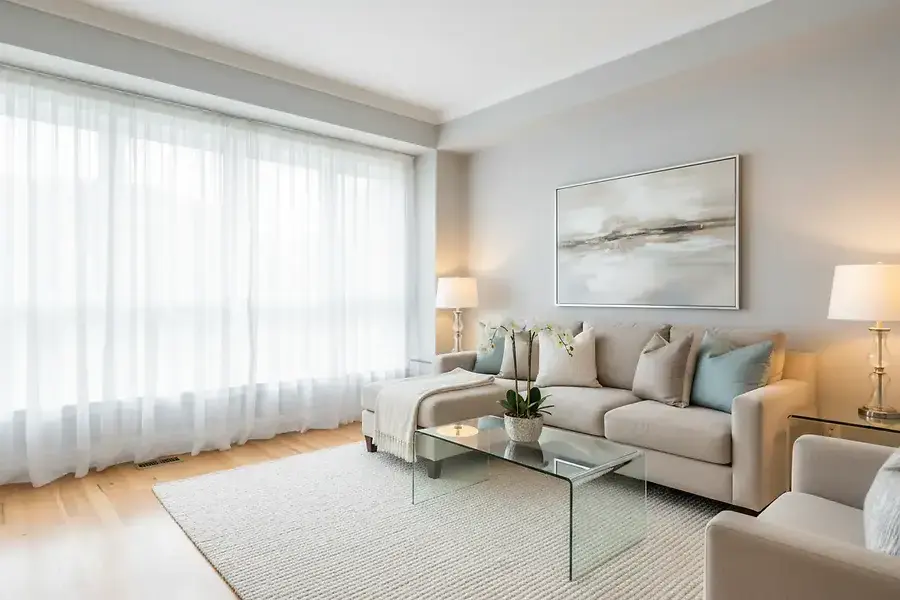
Arrange furniture to create conversation areas and highlight the room's best features. If the space feels too large, use area rugs to define zones. Add a few tasteful accessories like throw blankets and neutral artwork, but keep it minimal. The goal is to showcase the room's potential without overwhelming the space.
Bathrooms: Clean and Spa-Like
Bathrooms must be impeccably clean. Remove personal items, organize under-sink storage, and add touches like fresh towels and a simple plant. Good lighting is crucial in bathrooms—ensure vanity lights are bright and flattering. Consider replacing outdated fixtures if they significantly detract from the space.
Outdoor Spaces: Curb Appeal Matters
Don't forget about exterior spaces. A well-maintained front entrance, clean driveway, and tidy landscaping create an excellent first impression. Curb appeal is the first thing buyers see, and it sets the tone for their entire viewing experience. Add potted plants, ensure the front door is welcoming, and keep the yard well-maintained.
Conclusion: Positioning Yourself as the Staging Expert in Your Market
Home staging is both an art and a science. By mastering decluttering, lighting, and neutral design principles, you can help homes sell faster and at higher prices. Whether you're a real estate professional or a homeowner, these proven techniques deliver measurable results.
The investment in staging—whether through professional services or DIY efforts—typically returns far more than its cost. Buyers are willing to pay premium prices for homes that feel move-in ready and emotionally appealing. By implementing these room-by-room strategies, you create spaces that resonate with potential purchasers and inspire them to make offers.
"Staging isn't about hiding flaws—it's about highlighting potential and helping buyers fall in love with a home."
As you apply these staging techniques, remember that the goal is always to create an emotional connection between the buyer and the property. When done right, staging transforms a simple house viewing into an experience that motivates buyers to take action. Start implementing these strategies today and watch your sales results improve dramatically.