The Complete Guide to Kansas City Home Inspections for Buyers
Discover the critical inspection points that protect your investment and reveal hidden issues before closing day.

Why Home Inspections Matter in Kansas City
Purchasing a home is one of the most significant financial decisions you'll make in your lifetime. In Kansas City's competitive real estate market, a professional home inspection serves as your safeguard against costly surprises after closing. A thorough inspection can reveal structural issues, mechanical failures, and safety hazards that might not be visible during a casual walkthrough.
Kansas City homes, ranging from historic Victorian properties to modern suburban residences, each present unique inspection considerations. The region's climate, with its hot summers and cold winters, creates specific wear patterns on roofing, HVAC systems, and foundations. An experienced inspector familiar with Kansas City's building styles and environmental factors can identify problems before they become expensive repairs.
Why should you invest in a home inspection? Beyond peace of mind, inspections provide leverage in negotiations, help you budget for future repairs, and protect you from inheriting someone else's deferred maintenance.
Key Areas Inspectors Examine in Kansas City Homes
Roof and Exterior
Kansas City's weather demands a robust roof. Inspectors evaluate shingle condition, flashing integrity, and gutter systems. They look for signs of leaks, missing shingles, and improper ventilation that can lead to premature deterioration. The exterior walls, siding, and foundation receive careful attention for cracks, water damage, and settling issues common in the region.
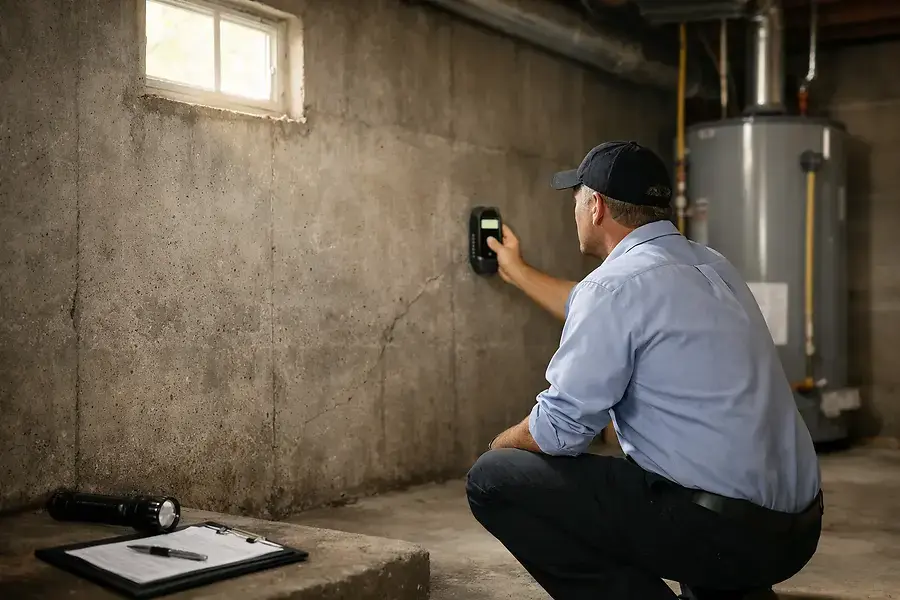
Foundation and Basement
Many Kansas City homes feature basements, making foundation inspection critical. Inspectors check for:
- Cracks in concrete or brick foundations
- Water intrusion and moisture problems
- Proper grading and drainage around the foundation
- Signs of settling or structural movement
- Basement wall integrity and waterproofing
Basement moisture is particularly important in Kansas City due to seasonal rainfall and groundwater levels. A dry basement is essential for protecting your investment and maintaining healthy indoor air quality.
HVAC Systems
Kansas City's temperature extremes make heating and cooling systems crucial. Inspectors examine furnaces, air conditioning units, and ductwork for proper operation, age, and maintenance. They verify that systems are appropriately sized for the home and check for safety concerns like carbon monoxide risks.
Plumbing and Water Systems
Inspectors test water pressure, check for leaks, and evaluate the water heater's condition and age. They examine visible pipes for corrosion, particularly important in older Kansas City homes that may have outdated plumbing materials. Water quality and the presence of hard water issues are also noted.
Electrical Systems
A comprehensive electrical inspection includes checking the main panel, circuit breakers, outlets, and wiring. Inspectors look for outdated systems, improper grounding, and safety hazards. Older Kansas City homes may have outdated electrical systems that need upgrading to meet modern safety standards.
Interior Components
Inspectors examine walls, ceilings, floors, doors, and windows for damage, proper operation, and signs of water intrusion. They check insulation levels, ventilation systems, and appliances included in the sale. Interior inspections often reveal clues about the home's maintenance history.
Red Flags and How to Respond to Inspection Findings
Understanding Inspection Reports
Home inspection reports categorize findings by severity. Critical issues require immediate attention and can affect your offer. Major concerns need professional evaluation and repair estimates. Minor issues are typically maintenance items or cosmetic problems.
Common Red Flags in Kansas City Homes
- Foundation cracks: Horizontal cracks are more serious than vertical ones and warrant structural engineer evaluation
- Roof age: Roofs nearing the end of their lifespan may need replacement within years
- Outdated electrical panels: Older systems may lack capacity for modern electrical demands
- Basement moisture: Persistent water issues indicate drainage or waterproofing problems
- HVAC system age: Systems over 15 years old may fail soon, requiring expensive replacement
- Plumbing concerns: Galvanized pipes or polybutylene plumbing indicate potential future failures
Responding to Inspection Findings
Once you receive the inspection report, you have several options:
- Request repairs: Ask the seller to fix critical issues before closing
- Negotiate credits: Request a price reduction to cover repair costs yourself
- Obtain repair estimates: Get professional quotes for major issues to inform your decisions
- Hire specialists: For serious concerns, hire structural engineers, electricians, or other experts for detailed evaluation
- Walk away: If issues are too extensive or expensive, you can terminate the purchase
Pro tip: Don't let minor findings derail your purchase. Focus on structural, safety, and major system issues that affect the home's value and livability.
Making Confident Offers with Inspection Insights
A professional home inspection empowers you to make informed decisions in Kansas City's real estate market. By understanding what inspectors look for and how to interpret findings, you can negotiate effectively and avoid costly surprises.
Schedule your inspection within the timeframe specified in your purchase agreement, typically 7-10 days. Attend the inspection if possible to ask questions and understand the inspector's concerns firsthand. Use the findings to negotiate repairs, credits, or price adjustments before closing.
Remember: No home is perfect, but a thorough inspection ensures you understand exactly what you're buying. With this knowledge, you can move forward confidently, knowing your investment is protected and your new Kansas City home is a sound financial decision.


