The Complete Guide to Las Vegas Home Inspection and Appraisal
Protect your investment by understanding what inspectors and appraisers look for in Las Vegas residential properties.

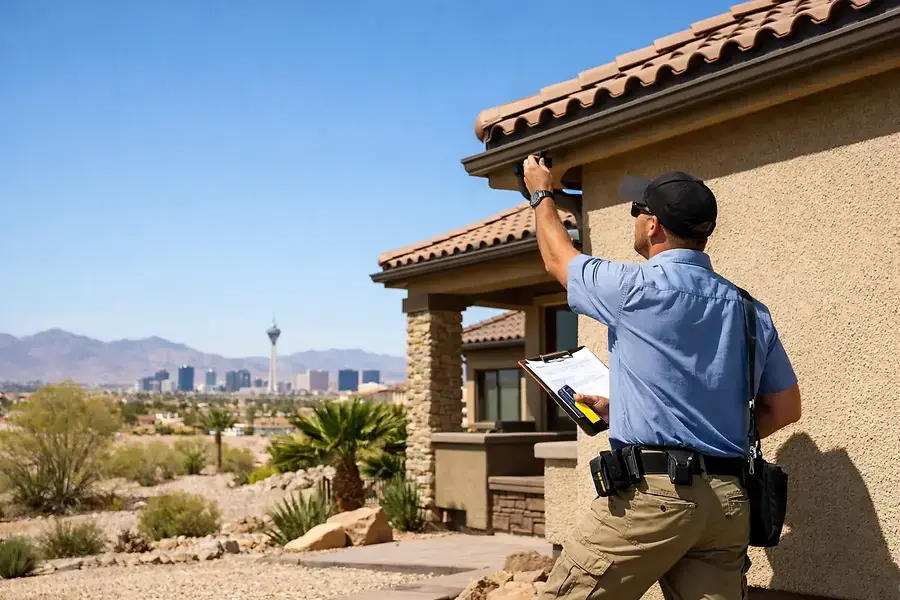
What Home Inspections Reveal: Critical Systems and Structural Issues in Las Vegas Homes
A professional home inspection is one of the most important steps in the home buying or selling process. Inspectors examine the major systems and structural components of your property to identify potential issues that could affect safety, functionality, or value.
During a typical Las Vegas home inspection, professionals evaluate:
- Electrical Systems: Wiring, panel boxes, outlets, and safety features to ensure everything meets current codes
- Plumbing: Water lines, drainage systems, fixtures, and water pressure to detect leaks or corrosion
- HVAC Systems: Air conditioning units, heating systems, and ductwork—critical in the desert climate
- Roofing: Shingles, flashing, gutters, and structural integrity
- Foundation: Concrete slabs, cracks, settling, and moisture issues
- Structural Components: Walls, framing, and load-bearing elements
Inspectors also check for pest damage, mold, water intrusion, and safety hazards. They'll provide a detailed report documenting their findings, which can be used for negotiations or repairs before closing.
Appraisal Essentials: How Your Home's Value is Determined in the Las Vegas Market
An appraisal is an unbiased assessment of your home's market value, typically required by lenders before approving a mortgage. Unlike inspections, appraisals focus on value rather than condition.
What Appraisers Consider
Professional appraisers evaluate multiple factors to determine your home's worth:
- Comparable Sales: Recent sales of similar properties in your neighborhood
- Location: Proximity to schools, shopping, employment centers, and amenities
- Property Size: Square footage, lot size, and number of bedrooms and bathrooms
- Condition: Age of the home, updates, and overall maintenance
- Market Trends: Current Las Vegas real estate market conditions and demand
- Special Features: Pools, patios, upgraded kitchens, or energy-efficient systems
The Las Vegas market is dynamic, with values influenced by tourism, employment growth, and population trends. Appraisers stay current with these factors to provide accurate valuations.
Common Las Vegas Home Issues: Desert Climate, Aging Properties, and Foundation Concerns
Las Vegas's unique desert environment and rapid growth present specific challenges for homeowners. Understanding these common issues helps you prepare for inspections and appraisals.
Desert Climate Challenges
The intense heat and low humidity create particular wear patterns. Air conditioning systems work overtime, leading to premature failure. Roofing materials deteriorate faster under constant UV exposure, and exterior paint fades quickly. Additionally, the dry climate can cause wood framing to shrink and crack.
Aging Properties
Many Las Vegas homes built in the 1980s and 1990s may have outdated electrical systems, plumbing materials prone to corrosion, and HVAC units nearing the end of their lifespan. Inspectors pay close attention to these aging components, as replacement costs can be significant.
Foundation and Soil Issues
Las Vegas sits on expansive clay soils that shift with moisture changes. This can cause foundation cracks, uneven settling, and structural movement. Inspectors look for signs of foundation stress, including cracks in walls, doors that don't close properly, and gaps between walls and ceilings. While minor cracks are common, significant foundation issues can be costly to repair.
Water and Moisture Problems
Despite the dry climate, water intrusion remains a concern. Improper grading, damaged gutters, and roof leaks can lead to moisture problems in crawl spaces, basements, or attics. Inspectors check for signs of water damage, mold, and proper drainage systems.
Preparing for Inspection and Appraisal: Steps to Ensure a Smooth Process and Avoid Costly Surprises
Proper preparation can help you avoid delays and unexpected issues during the inspection and appraisal process.
Before the Inspection
- Clean and declutter: A tidy home allows inspectors better access to systems and components
- Provide access: Ensure inspectors can reach the attic, basement, crawl spaces, and exterior areas
- Gather documentation: Collect receipts for recent repairs, maintenance records, and system warranties
- Test systems: Verify that HVAC, plumbing, and electrical systems are functioning properly
- Address obvious issues: Fix leaky faucets, replace burnt-out bulbs, and repair visible damage
Before the Appraisal
- Enhance curb appeal: A well-maintained exterior makes a positive first impression
- Document improvements: Provide evidence of recent upgrades, renovations, or energy-efficient installations
- Ensure property access: Make sure gates, doors, and areas are accessible for the appraiser
- Research comparables: Understand recent sales in your neighborhood to set realistic expectations
- Highlight features: Point out special amenities like pools, updated systems, or premium finishes
During the Process
Stay available to answer questions, but avoid hovering or trying to influence the inspector or appraiser. They need to work independently to provide objective assessments. If issues are discovered, don't panic—many can be negotiated or addressed before closing.
After the Inspection and Appraisal
Review reports carefully and understand the findings. If you disagree with an appraisal, you can request a reconsideration or appeal. For inspection issues, prioritize repairs based on safety and structural concerns, then address cosmetic items if budget allows.
By understanding what inspectors and appraisers evaluate, you can better protect your investment and navigate the Las Vegas real estate market with confidence. Whether you're buying or selling, proper preparation and knowledge are your best tools for success.


