The Complete Guide to Pricing and Selling Your Chesapeake Home
Learn how to accurately price your home and attract qualified buyers in today's competitive Chesapeake market.

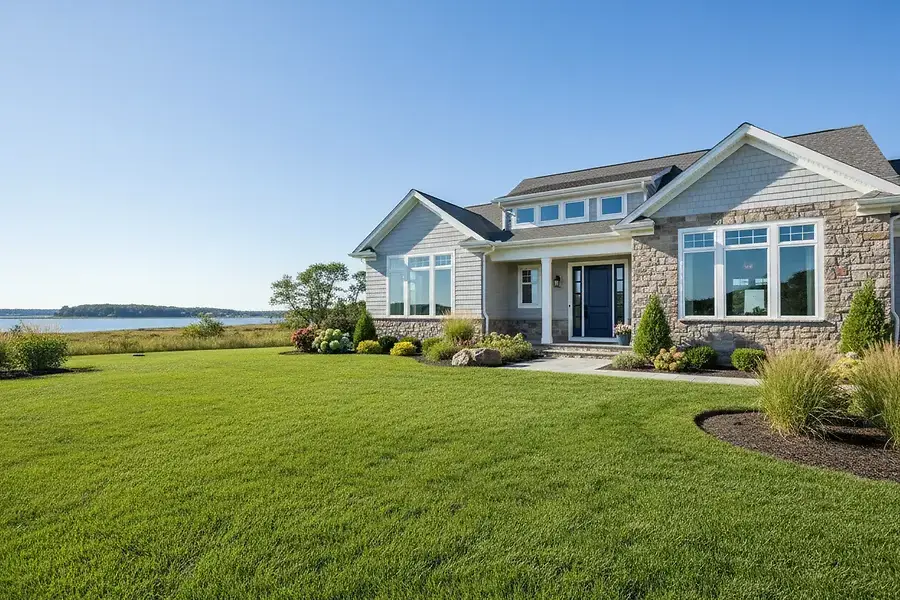
Understanding Current Market Conditions in Chesapeake
The Chesapeake real estate market continues to evolve with dynamic shifts in buyer preferences and inventory levels. To successfully sell your home, you must first understand the landscape in which you're operating. The local market is characterized by a blend of waterfront properties, suburban neighborhoods, and established communities that appeal to diverse buyer demographics.
Key factors influencing the current market include:
- Interest rate fluctuations affecting buyer purchasing power
- Seasonal demand patterns throughout the year
- Local economic growth and job market stability
- School district ratings and family-oriented amenities
- Proximity to military installations and major employers
Understanding these conditions helps you position your home strategically and set realistic expectations for your sale timeline and final price.
Comparative Market Analysis and Pricing Your Home Correctly
The Importance of Accurate Pricing
Pricing your home correctly is perhaps the most critical factor in achieving a successful sale. An overpriced home sits on the market longer, while an underpriced home leaves money on the table. The key is finding the sweet spot that attracts qualified buyers while maximizing your return.
Conducting a Comparative Market Analysis
A Comparative Market Analysis (CMA) examines recently sold properties similar to yours in location, size, condition, and features. This analysis provides concrete data for pricing decisions. Consider these elements:
- Recently sold comparable properties: Look at homes sold within the last 3-6 months in your neighborhood
- Active listings: Compare your home to similar properties currently on the market
- Days on market: Analyze how quickly comparable homes are selling
- Price per square foot: Calculate the average price per square foot for similar properties
- Unique features: Account for special amenities like waterfront access, updated systems, or premium locations
Pro tip: Work with a local real estate agent who has access to comprehensive MLS data and market insights specific to Chesapeake neighborhoods.
Adjusting for Your Home's Unique Features
While comparables provide a baseline, your home's specific characteristics matter significantly. Upgrades such as new roofing, updated HVAC systems, modern kitchens, and energy-efficient windows can justify premium pricing. Conversely, deferred maintenance or outdated features may require price adjustments.
Staging and Presentation Tips to Maximize Buyer Interest
First Impressions Matter
The exterior of your home creates the first impression. Invest in curb appeal by maintaining landscaping, painting the front door, cleaning windows, and ensuring the entrance is welcoming. A well-maintained exterior signals that the interior has been cared for equally well.
Interior Staging Strategies
Strategic staging helps buyers envision themselves living in your home. Key staging principles include:
- Declutter and depersonalize: Remove family photos, excessive decorations, and personal items that distract from the home's features
- Maximize natural light: Open curtains and blinds to showcase bright, airy spaces
- Create focal points: Arrange furniture to highlight architectural features and room functionality
- Neutral color palette: Paint walls in neutral tones that appeal to a broad audience
- Highlight storage: Demonstrate ample closet and storage space by organizing contents neatly
- Fresh scents: Use subtle, pleasant aromas like fresh flowers or light vanilla to create a welcoming atmosphere
Professional Photography and Marketing
In today's digital-first market, high-quality photography is essential. Most buyers begin their search online, so professional photos and virtual tours significantly impact initial interest. Consider drone photography for properties with scenic views or waterfront access, and ensure all images are well-lit and professionally edited.
Develop a comprehensive marketing strategy that includes:
- Multiple online listing platforms and real estate websites
- Social media promotion targeting local buyers
- Open house events and private showings
- Targeted advertising to specific buyer demographics
Closing the Sale: Negotiation Strategies and Next Steps
Understanding Buyer Offers
When offers arrive, evaluate them carefully beyond just the purchase price. Consider the buyer's financing type, contingencies, closing timeline, and earnest money deposit. A lower offer with fewer contingencies might be preferable to a higher offer with significant conditions.
Negotiation Best Practices
Effective negotiation requires patience, flexibility, and clear communication. Key strategies include:
- Respond promptly to offers and counteroffers
- Remain emotionally detached from the negotiation process
- Focus on win-win solutions that satisfy both parties
- Be prepared to walk away from unreasonable offers
- Use your real estate agent as a buffer and advisor
Inspection and Appraisal Considerations
Prepare for the buyer's home inspection by addressing obvious issues beforehand. A pre-inspection can identify problems early, allowing you to decide whether to repair, credit, or negotiate. Similarly, ensure your home appraises at or above the agreed purchase price to prevent financing complications.
Final Steps to Closing
As you approach closing, maintain the home's condition, coordinate with your title company, and ensure all required documentation is prepared. Clear communication with the buyer, their lender, and all parties involved prevents delays and complications at the closing table.
Remember: Selling your Chesapeake home successfully requires preparation, strategic pricing, effective marketing, and skilled negotiation. By following these guidelines and working with experienced professionals, you'll be well-positioned to achieve your real estate goals.


