The Complete Guide to Pricing Your Seattle Home for Maximum Profit
Master the art of pricing your Seattle home competitively to attract serious buyers and close faster.

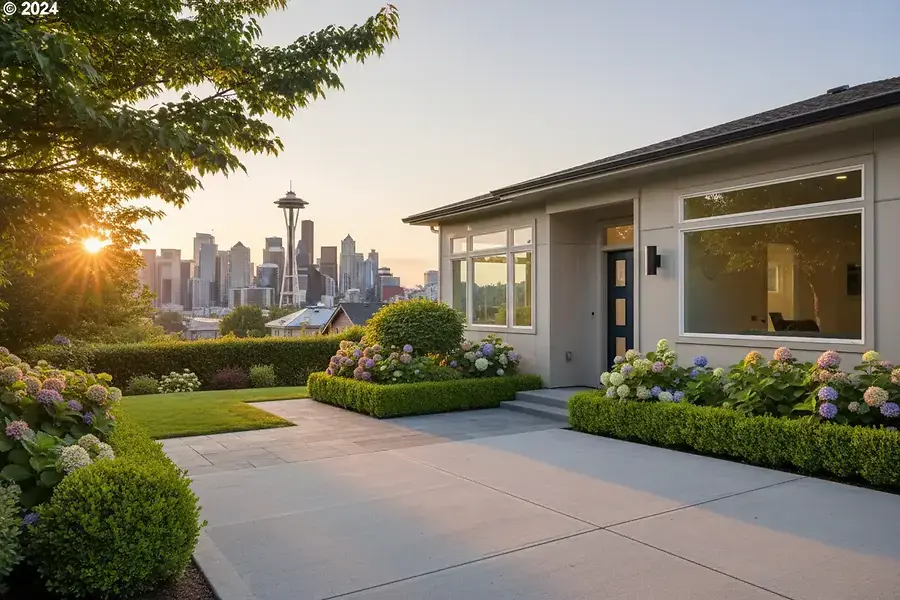
Understanding Seattle's Current Market Dynamics
The Seattle real estate market continues to evolve with unique characteristics that directly impact home pricing strategies. Before listing your property, it's essential to understand the current landscape and what drives buyer behavior in this competitive market.
Seattle's market is influenced by several key factors including tech industry growth, population migration patterns, and inventory levels. The city's strong job market attracts professionals from across the country, creating consistent demand for quality homes. However, this demand fluctuates seasonally, with spring and summer typically seeing more active buyers than fall and winter months.
Market Indicators to Monitor
- Days on Market (DOM): Track how long comparable homes stay listed before selling
- Price-to-List Ratio: Understand what percentage of asking price homes are actually selling for
- Inventory Levels: Monitor whether it's a buyer's or seller's market in your neighborhood
- Neighborhood Trends: Research specific area appreciation rates and buyer demographics
Pro tip: Work with a local real estate agent who has access to current MLS data and can provide detailed market analysis specific to your neighborhood.
Comparative Market Analysis and Pricing Your Property
A Comparative Market Analysis (CMA) is the foundation of accurate pricing. This analysis examines recently sold homes similar to yours to determine fair market value.
Conducting Your CMA
Start by identifying comparable properties—homes similar in size, condition, location, and features that sold within the last 90 days. Look for homes within a quarter-mile radius of your property, though Seattle's diverse neighborhoods may require expanding your search area.
- Compare square footage, lot size, and number of bedrooms and bathrooms
- Account for condition differences and recent renovations
- Adjust prices based on location-specific amenities and proximity to transit
- Consider views, lot orientation, and unique features
Setting the Right Price
Overpricing is the biggest mistake sellers make. While it's tempting to list high, overpriced homes sit longer on the market, attract fewer showings, and ultimately sell for less than properly priced homes. Buyers in Seattle are sophisticated and research comparable sales thoroughly.
"The first 10 days on market are critical. Homes priced correctly from day one generate more interest, more offers, and better final prices."
Consider pricing at or slightly below market value to generate multiple offers and create bidding competition. This strategy often results in a higher final sale price than overpricing and waiting for a single buyer.
Pricing Strategies by Market Condition
- Seller's Market: You have more flexibility; price at or slightly above comparable sales
- Buyer's Market: Price competitively; focus on value and condition to stand out
- Balanced Market: Price at recent comparable sales; emphasize unique features
Strategic Staging and Presentation for Maximum Appeal
Price alone doesn't sell homes—presentation does. Strategic staging and curb appeal significantly impact buyer perception and willingness to pay top dollar.
Curb Appeal Essentials
First impressions matter enormously. Invest in your home's exterior before listing:
- Refresh landscaping and maintain a neat, manicured appearance
- Paint the front door and update hardware for a modern look
- Power wash the driveway, walkway, and exterior walls
- Ensure the entrance is well-lit and inviting
- Add seasonal plants or flowers for visual interest
Interior Staging Strategy
Inside, create a neutral, spacious feel that allows buyers to envision their own lives in the home. Declutter ruthlessly—remove personal items, excess furniture, and anything that distracts from the home's best features.
- Neutralize bold paint colors with fresh, light paint
- Highlight architectural features and natural light
- Arrange furniture to showcase room flow and functionality
- Deep clean every surface, including baseboards and light fixtures
- Use subtle scents like fresh coffee or baked goods during showings
Photography and Marketing
Professional photography is non-negotiable in today's market. Most buyers begin their search online, so high-quality images directly impact showing requests. Invest in professional photos and consider virtual tours or drone footage for homes with exceptional views or outdoor spaces.
Closing the Sale: Negotiation and Timeline Expectations
Once offers arrive, strategic negotiation becomes crucial. Your pricing strategy directly influences the negotiation process and final outcome.
Evaluating Offers
Look beyond the purchase price. Consider:
- Contingencies: Inspection, appraisal, and financing contingencies affect risk
- Earnest Money: Larger deposits indicate serious, committed buyers
- Timeline: Closing dates that work with your plans are valuable
- Buyer Qualifications: Pre-approved buyers are more likely to close successfully
Negotiation Tactics
If you've priced correctly and staged well, you'll likely receive multiple offers. Multiple offers create leverage. You can negotiate from strength, requesting favorable terms, shorter contingency periods, or higher prices.
If you receive a single offer below asking price, evaluate it carefully. Sometimes accepting a slightly lower offer with fewer contingencies and a faster closing is smarter than holding out for a higher price that may never materialize.
Timeline Expectations
From listing to closing typically takes 30-45 days in Seattle. However, properly priced homes in good condition can close in 2-3 weeks. Budget additional time for inspections, appraisals, and any necessary repairs or negotiations.
Final thought: Selling your Seattle home successfully requires balancing competitive pricing, strategic presentation, and smart negotiation. By understanding your market, pricing correctly, and presenting your home beautifully, you'll attract serious buyers and maximize your profit.


