The Complete Guide to Pricing Your Tampa Home for Maximum Profit
Learn the proven strategies successful Tampa real estate agents use to price homes competitively and attract serious buyers.

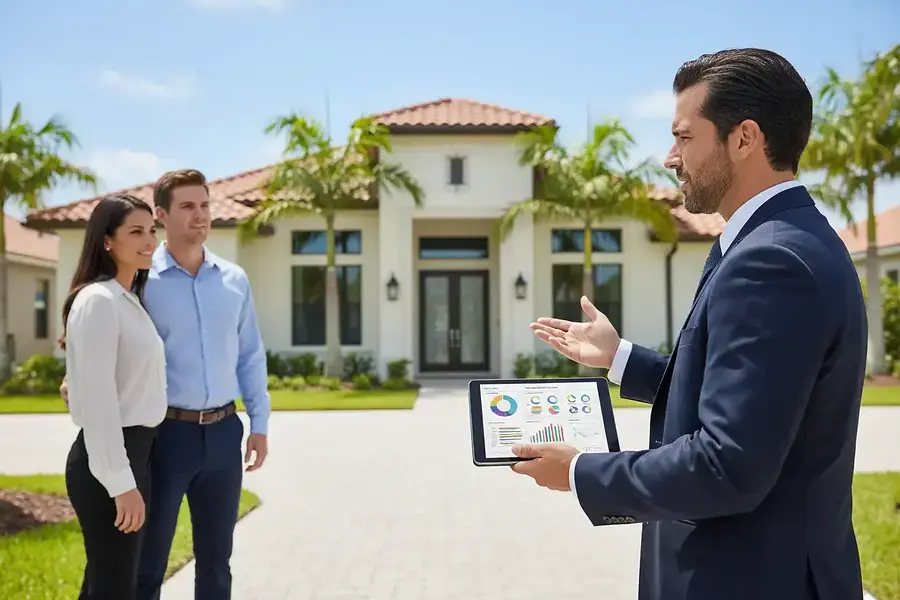
Understanding Tampa's Current Market Conditions and Price Trends
The Tampa real estate market has experienced significant growth and transformation in recent years. Understanding the current market conditions is essential for homeowners looking to sell at the right price. The market has become increasingly competitive, with more buyers entering the market and inventory levels fluctuating based on seasonal demand.
Tampa's market is characterized by steady appreciation rates and strong buyer interest from both local and out-of-state purchasers. The region's appeal stems from its favorable climate, growing job market, and vibrant lifestyle. Successful pricing begins with recognizing that the market is dynamic—what worked last year may not work today.
Market Indicators to Monitor
Several key indicators help determine the health of the Tampa market:
- Days on Market (DOM): The average number of days homes spend on the market before selling
- Price-to-List Ratio: How close homes sell compared to their asking price
- Inventory Levels: The number of available homes for sale versus buyer demand
- Absorption Rate: How quickly homes are selling relative to new listings
These metrics provide valuable context for pricing your home competitively. When inventory is low and demand is high, you may have more pricing flexibility. Conversely, in a buyer's market, strategic pricing becomes even more critical.
Key Factors That Influence Home Values in Tampa Neighborhoods
Tampa is a diverse city with distinct neighborhoods, each offering unique characteristics that impact home values. Understanding what drives value in your specific area is crucial for accurate pricing.
Location and Neighborhood Characteristics
Location remains the most significant factor in determining home value. Proximity to employment centers, schools, shopping, and entertainment venues directly affects desirability and price. Neighborhoods with strong community amenities, low crime rates, and excellent schools typically command premium prices.
Property-Specific Features
Beyond location, individual property characteristics significantly influence value:
- Home age and condition
- Square footage and lot size
- Number of bedrooms and bathrooms
- Unique features (pool, waterfront access, renovations)
- Energy efficiency and modern upgrades
- Parking and garage availability
A well-maintained home with recent upgrades will command a higher price than a comparable property needing repairs. Invest in pre-sale inspections and minor improvements to maximize your home's appeal and value.
Market Demand and Buyer Preferences
Understanding what today's buyers want is essential. Current trends show strong interest in homes with open floor plans, updated kitchens and bathrooms, outdoor living spaces, and smart home technology. Homes that align with these preferences often sell faster and at higher prices.
Comparative Market Analysis: How to Price Your Home Right
A Comparative Market Analysis (CMA) is the gold standard for determining accurate home pricing. This method compares your home to recently sold properties with similar characteristics in your area.
Steps to Conduct an Effective CMA
Step 1: Identify Comparable Properties
Select 3-5 homes that have sold recently in your neighborhood with similar square footage, age, condition, and features. These "comps" should have sold within the last 30-90 days to reflect current market conditions accurately.
Step 2: Analyze Price Per Square Foot
Calculate the price per square foot for each comparable property by dividing the sale price by the total square footage. This metric helps normalize prices across properties of different sizes. Your home's price per square foot should fall within the range of your comparables.
Step 3: Account for Differences
No two homes are identical. Adjust prices based on differences between your home and the comparables:
- Add value for upgrades your home has that comparables lack
- Subtract value for features your home is missing
- Consider condition differences and necessary repairs
Step 4: Determine Your Price Range
Based on your analysis, establish a realistic price range rather than a single price point. This range provides flexibility during negotiations while keeping you grounded in market reality.
The Psychology of Pricing
Strategic pricing goes beyond numbers. Psychological pricing plays a role in buyer perception. A home priced at $449,900 often attracts more interest than one priced at $450,000, even though the difference is minimal. Similarly, pricing slightly below market value can generate multiple offers and competitive bidding.
Avoiding Common Pricing Mistakes
Overpricing: The most common mistake is pricing too high based on emotional attachment or wishful thinking. Overpriced homes sit longer on the market, ultimately selling for less than they would have at the correct initial price.
Underpricing: While this generates interest, you leave money on the table. Price strategically to attract buyers without sacrificing profit.
Ignoring Market Trends: Failing to account for current market conditions leads to unrealistic pricing. Work with a knowledgeable real estate professional who understands Tampa's specific market dynamics.
Conclusion: Positioning Your Home for Maximum Appeal and Profit
Pricing your Tampa home correctly is both an art and a science. Success requires understanding market conditions, analyzing neighborhood factors, and conducting thorough comparative market analysis. The goal is to price competitively while maximizing your profit—a balance that attracts serious buyers and generates multiple offers.
Remember that pricing is not static. If your home doesn't receive expected interest within the first two weeks, be prepared to adjust. Conversely, strong early interest may indicate underpricing, though this is a luxury problem many sellers would welcome.
By following these proven strategies and working with experienced professionals, you'll position your Tampa home for maximum appeal and profit. The market rewards accurate pricing with faster sales, less stress, and better financial outcomes.


