The Complete Guide to Property Taxes for Salina, Kansas Homeowners
Learn how to calculate, understand, and strategically manage your residential property tax obligations.

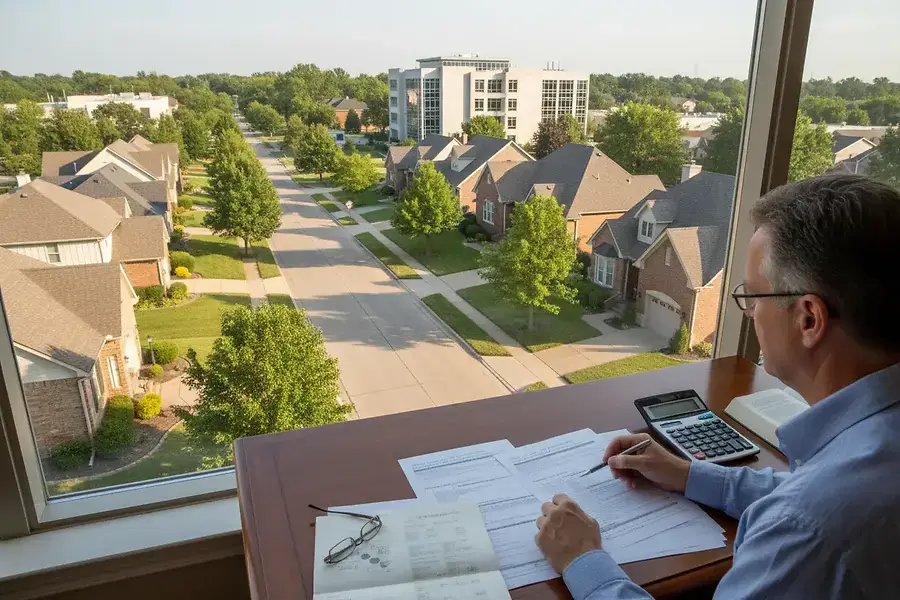
Introduction: Why Property Taxes Matter for Salina Homeowners
Property taxes represent one of the largest ongoing expenses for homeowners in Salina, Kansas. Unlike mortgage payments that eventually end, property taxes continue throughout your entire ownership of the home. Understanding how these taxes work and how they're calculated is essential for making informed financial decisions and potentially saving thousands of dollars over your lifetime as a homeowner.
For many Salina residents, property taxes fund critical community services including schools, emergency services, infrastructure maintenance, and local government operations. While these services are vital to our community, it's equally important to ensure you're paying a fair and accurate amount based on your property's true value.
How Salina's Property Tax System Works and What Affects Your Assessment
Understanding the Assessment Process
Salina's property tax system begins with the county assessor's office, which determines the assessed value of your property. This assessed value is typically a percentage of the property's market value and serves as the foundation for calculating your annual tax bill. The assessor considers several factors when determining this value:
- Property location and neighborhood characteristics
- Square footage and lot size
- Age and condition of the structure
- Recent comparable sales in the area
- Improvements and upgrades made to the property
- Market trends and economic conditions
The Tax Rate and Mill Levy
Once your property is assessed, the tax rate—often called the mill levy—is applied to determine your final tax bill. In Salina, the mill levy is set by various taxing entities including the city, county, school district, and special districts. Each entity determines how much funding it needs and sets its portion of the mill levy accordingly.
Your property tax bill is calculated by multiplying your assessed value by the combined mill levy rate. Understanding this relationship helps you see why even small changes in either component can significantly impact your annual tax obligation.
Common Factors That Increase Your Assessment
Several actions can trigger an increase in your property's assessed value:
- Adding rooms, bathrooms, or square footage to your home
- Installing new roofing, siding, or major structural improvements
- Completing significant renovations or upgrades
- Rezoning of your property for commercial or higher-density use
- Market appreciation in your neighborhood
Strategies to Reduce Your Property Tax Burden Legally
Challenge Your Assessment
If you believe your property has been overvalued, you have the right to challenge the assessment. The Saline County Assessor's office provides a formal appeal process. To build a strong case, gather comparable sales data for similar properties in your area that sold for less than your assessed value. Professional appraisals can also provide valuable evidence supporting your claim.
Pro tip: File your appeal before the deadline, which typically occurs in the spring. Missing this deadline means waiting another year to challenge your assessment.
Explore Property Tax Exemptions and Abatements
Kansas offers several exemptions that may reduce your property tax burden:
- Homestead Property Tax Refund: Eligible low-income homeowners may qualify for a refund of a portion of their property taxes
- Senior Citizen Property Tax Exemption: Seniors meeting age and income requirements may receive exemptions
- Disabled Veterans Exemption: Qualified veterans may be eligible for significant tax relief
- Agricultural Land Classification: If your property qualifies, agricultural land receives preferential assessment
Contact the Saline County Assessor's office to determine which exemptions you might qualify for and how to apply.
Maintain Your Property Wisely
While you cannot avoid paying taxes on legitimate improvements, being strategic about renovations can help. Consider that major visible improvements—like new roofing or siding—are more likely to trigger assessment increases than interior upgrades. Plan your improvements strategically and be aware that assessors conduct periodic property inspections.
Stay Informed About Tax Rate Changes
Attend city council and school board meetings where mill levy decisions are made. Public input during these meetings can influence funding decisions and tax rates. Understanding the budget process helps you anticipate changes and plan accordingly.
Work with a Property Tax Professional
For significant properties or complex situations, consulting with a property tax consultant or attorney specializing in tax appeals can be worthwhile. These professionals understand the nuances of Salina's tax system and can identify opportunities for savings you might otherwise miss.
Conclusion: Taking Control of Your Property Tax Future
Property taxes don't have to be a mystery or an uncontrollable expense. By understanding how Salina's assessment system works, staying informed about your rights, and taking proactive steps to ensure fair valuation, you can significantly impact your long-term financial health as a homeowner.
Remember: knowledge is power when it comes to property taxes. The time you invest in understanding your tax obligations and exploring legitimate reduction strategies can result in substantial savings over the years.
Start by requesting a copy of your property assessment from the Saline County Assessor's office and comparing it to similar properties in your neighborhood. If discrepancies exist, don't hesitate to file an appeal. Take advantage of any exemptions you qualify for, and stay engaged with local government decisions that affect your tax rate. By taking these steps, you'll be well on your way to managing your property tax obligations effectively and keeping more money in your pocket.


