The Complete Guide to Residential Property Appraisals and Home Values
Learn how home appraisals impact your buying power and what factors appraisers evaluate in residential properties.

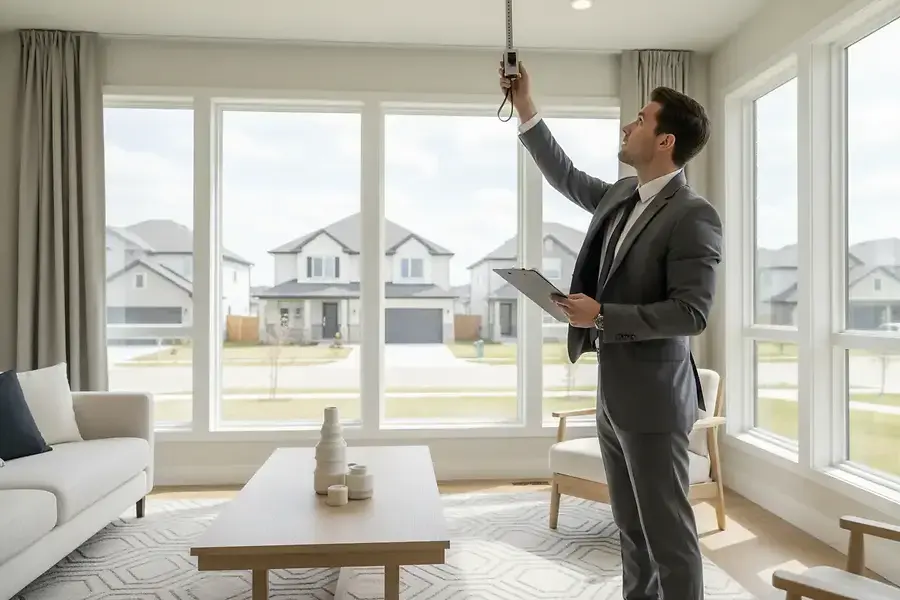
Introduction: The Critical Role of Property Appraisals in Home Purchases
When you're ready to purchase a home, one of the most important steps in the mortgage process is the property appraisal. This independent evaluation determines the fair market value of your potential new home and plays a crucial role in your financing approval. Understanding how appraisals work can help you navigate the home-buying process with confidence and avoid costly surprises.
A property appraisal is more than just a formality—it protects both you and your lender by ensuring the home's value justifies the loan amount. Without a proper appraisal, lenders wouldn't have an objective measure of the property's worth, making it impossible to determine appropriate loan amounts. This guide will walk you through everything you need to know about residential property appraisals.
What Appraisers Look For: Key Factors That Determine Your Home's Value
Location and Neighborhood Characteristics
One of the most significant factors affecting home value is location. Appraisers evaluate the neighborhood's desirability, proximity to schools, shopping centers, and employment hubs. They also consider factors such as:
- Crime rates and neighborhood safety
- School district quality and ratings
- Access to public transportation
- Future development plans in the area
- Proximity to amenities and services
Properties in well-established neighborhoods with strong schools and low crime rates typically command higher values than those in less desirable areas.
Property Condition and Structural Integrity
Appraisers conduct a thorough inspection of the home's physical condition. They examine:
- Foundation and structural integrity
- Roof condition and remaining lifespan
- HVAC systems and their age
- Plumbing and electrical systems
- Interior walls, floors, and ceilings
- Signs of water damage, mold, or pest infestation
Major repairs needed can significantly reduce a home's appraised value. A home in excellent condition will appraise higher than an identical property requiring substantial repairs.
Size, Layout, and Functional Utility
The home's square footage, number of bedrooms and bathrooms, and overall layout directly impact its value. Appraisers assess whether the home's design is functional and appeals to typical buyers in the market. Open floor plans, adequate storage, and logical room arrangements can increase value, while awkward layouts or unusual designs may decrease it.
Recent Comparable Sales (Comps)
Appraisers research comparable properties—similar homes recently sold in the same area. These "comps" provide critical data for determining fair market value. Appraisers analyze:
- Sale prices of similar properties
- Time since sale (more recent is more relevant)
- Differences in condition, size, and features
- Market trends and absorption rates
If comparable homes sold for $350,000, your home shouldn't appraise for significantly more unless it has superior features or condition.
Upgrades and Special Features
Modern upgrades and desirable features can boost a home's appraised value. These include:
- Updated kitchen and bathroom fixtures
- Energy-efficient windows and insulation
- Smart home technology
- Hardwood or high-quality flooring
- Outdoor living spaces and landscaping
- Garage space and parking
However, not all upgrades add dollar-for-dollar value. Appraisers focus on improvements that appeal to the general market, not highly personalized renovations.
How Appraisal Results Affect Your Mortgage and Purchase Timeline
Impact on Loan Approval and Amount
Your lender uses the appraised value to determine the loan-to-value (LTV) ratio. If you're purchasing a home for $400,000 but it appraises for only $380,000, your lender may reduce the loan amount accordingly. This means you'll need to provide a larger down payment to cover the difference.
A low appraisal can be a deal-breaker if you don't have additional funds available for a larger down payment.
Appraisal Contingencies and Renegotiation
Many purchase agreements include an appraisal contingency, which allows you to renegotiate or withdraw from the deal if the appraisal comes in low. If the home appraises below the agreed purchase price, you have several options:
- Ask the seller to reduce the price to match the appraisal
- Negotiate a new price between the appraised value and original offer
- Increase your down payment to cover the difference
- Walk away from the deal without penalty
Timeline Delays
If an appraisal comes in low and requires renegotiation, it can delay your closing timeline. Disputes over value or requests for appraisal reconsiderations can add days or weeks to the process. Understanding this possibility helps you plan accordingly.
Refinancing Implications
Appraisals also matter if you plan to refinance your mortgage in the future. A strong appraisal builds equity and improves your refinancing options, while a low appraisal may limit your ability to access your home's equity.
Conclusion: Preparing Your Home for a Successful Appraisal
While you can't control the appraiser's final decision, you can take steps to present your home in the best possible light. Clean and declutter your home before the appraisal, make minor repairs, and ensure the property is well-maintained. Document any recent upgrades or improvements, as these can positively influence the appraisal.
Understanding property appraisals empowers you to make informed decisions during the home-buying process. By knowing what appraisers evaluate and how their findings impact your mortgage, you can approach your purchase with realistic expectations and greater confidence. Whether you're a first-time homebuyer or an experienced investor, a solid grasp of appraisal fundamentals is essential for successful real estate transactions.


