The Complete Guide to Residential Property Inspections Before Buying
Essential steps every homebuyer should take to protect their investment and identify potential issues before closing.

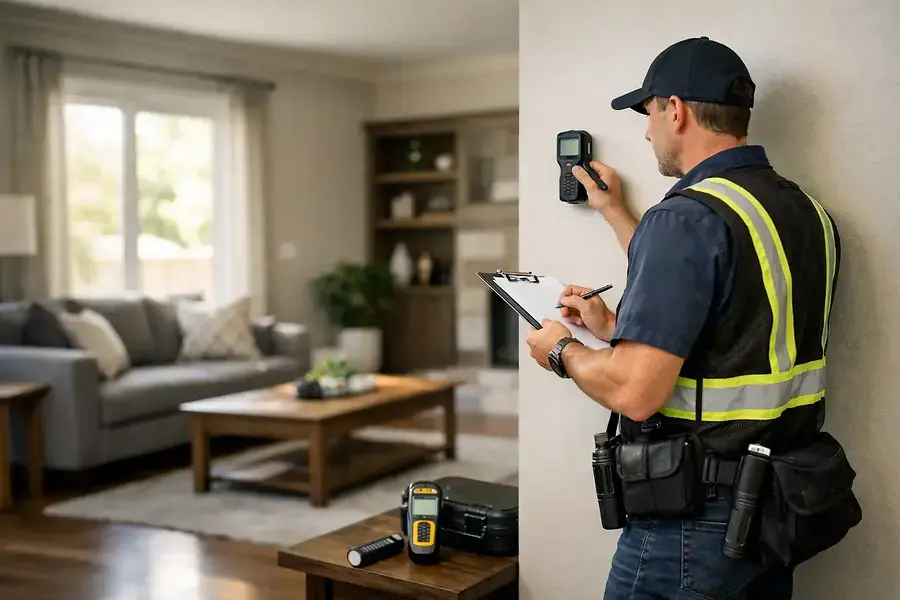
Why Professional Property Inspections Matter for Residential Buyers
Purchasing a home is one of the largest financial investments most people make in their lifetime. Before signing on the dotted line, a professional property inspection is not just recommended—it's essential. A thorough inspection can reveal hidden problems that could cost thousands of dollars to repair after you've already closed on the property.
Many homebuyers assume that if a house looks good on the surface, it must be in good condition. However, structural issues, plumbing problems, electrical hazards, and other defects can lurk behind walls and under floors. A qualified home inspector has the training, tools, and experience to identify these problems before they become your responsibility.
The inspection process typically costs between $300 and $700, which is a small fraction of your home's purchase price. This investment can save you from making a costly mistake and provides peace of mind as you move forward with your purchase.
What Inspectors Examine: Key Systems and Components in Your Home
Structural Components
Inspectors begin by evaluating the home's foundation, walls, and roof. They look for cracks, settling, water damage, and signs of structural movement. A compromised foundation can be extremely expensive to repair, making this one of the most critical areas of inspection.
Roofing and Exterior
The roof protects your entire home from the elements. Inspectors assess the roof's age, condition, and remaining lifespan. They also examine gutters, downspouts, siding, windows, and doors for damage, deterioration, and proper functioning.
Plumbing Systems
A comprehensive plumbing inspection includes checking:
- Water pressure and flow rates
- Pipe materials and condition
- Drainage systems and septic tanks
- Water heater age and functionality
- Presence of leaks or corrosion
Electrical Systems
Inspectors evaluate the electrical panel, wiring, outlets, and switches. They verify that the system meets current safety codes and can handle the home's electrical demands. Outdated or faulty electrical systems pose serious fire and safety risks.
HVAC Systems
Heating, ventilation, and air conditioning systems are tested for proper operation. Inspectors check the furnace, air conditioner, thermostat, and ductwork. They assess the age of equipment and estimate remaining useful life.
Interior Components
Inspectors examine walls, ceilings, floors, doors, and windows throughout the home. They look for water damage, mold, pest infestations, and structural issues. Kitchens and bathrooms receive special attention due to their complexity and the potential for water damage.
Red Flags to Watch For: Common Problems Found During Inspections
Water Damage and Mold
Water damage is one of the most common and costly issues found during inspections. Signs include staining on ceilings or walls, soft spots in flooring, and musty odors. Mold growth indicates prolonged moisture problems and can pose health risks. These issues often point to roof leaks, plumbing problems, or poor drainage around the foundation.
Foundation Issues
Cracks in the foundation, uneven floors, or doors that don't close properly can indicate serious structural problems. While minor cracks are common, larger cracks or signs of movement warrant further investigation by a structural engineer.
Outdated or Unsafe Electrical Systems
Homes with aluminum wiring, insufficient grounding, or overloaded circuits present fire hazards. Knob-and-tube wiring, common in older homes, is particularly dangerous and should be replaced.
Plumbing Problems
Low water pressure, slow drains, or signs of leaks can indicate pipe issues. Galvanized pipes, which corrode over time, may need replacement. Sewer line problems are expensive to repair and should be identified before purchase.
Roof Deterioration
A roof nearing the end of its lifespan is a significant expense. Missing shingles, sagging areas, or extensive wear indicate that replacement may be needed soon. Most roofs last 15-25 years depending on materials and climate.
HVAC System Age
Furnaces and air conditioners typically last 15-20 years. If these systems are near the end of their lifespan, budget for replacement costs in your offer negotiations.
Pest Infestations
Evidence of termites, carpenter ants, or other pests can indicate structural damage. Professional pest inspections may be necessary if signs are found during the home inspection.
Using Inspection Results to Negotiate and Make Confident Offers
Once you receive the inspection report, you have several options:
- Request repairs: Ask the seller to fix identified problems before closing
- Request credits: Negotiate a credit toward closing costs to cover repairs yourself
- Renegotiate price: Use inspection findings to justify a lower offer price
- Walk away: If major issues are discovered, you may choose to withdraw your offer
Most purchase agreements include an inspection contingency period, typically 7-10 days, during which you can have the inspection completed and decide how to proceed. Use this time wisely to thoroughly review the report and consult with your real estate agent and lender.
A professional home inspection is your opportunity to make an informed decision about one of the biggest purchases of your life. Don't skip this crucial step or try to cut corners on the inspection fee.
By understanding what inspectors examine and knowing which red flags to watch for, you can approach the inspection process with confidence. Armed with detailed information about the property's condition, you'll be better equipped to negotiate effectively and make a purchase decision that protects your financial interests and ensures your new home is a sound investment.


