The Complete Guide to Residential Property Inspections for Home Buyers
Understand what inspectors evaluate and how to use inspection results to make confident purchasing decisions.

Why Professional Home Inspections Matter for Residential Buyers
Purchasing a home is one of the most significant financial decisions you'll make in your lifetime. A professional home inspection serves as your safeguard, providing an objective assessment of the property's condition before you commit to the purchase. Unlike a quick walkthrough, a thorough inspection uncovers hidden issues that could cost thousands of dollars to repair after closing.
Home inspectors are trained professionals who evaluate the structural integrity, mechanical systems, and overall safety of a property. Their detailed reports give you the information needed to negotiate repairs, request credits, or walk away from a problematic deal. Without this critical step, you risk inheriting unexpected expenses and safety hazards that could have been identified beforehand.
What Home Inspectors Evaluate: Critical Areas and Common Issues
Structural Components
Inspectors examine the foundation, walls, roof, and framing for signs of damage, settling, or deterioration. Foundation issues are particularly concerning as they can indicate serious structural problems that require expensive repairs. Look for cracks, water damage, or uneven floors that suggest foundation movement.
Roofing and Exterior
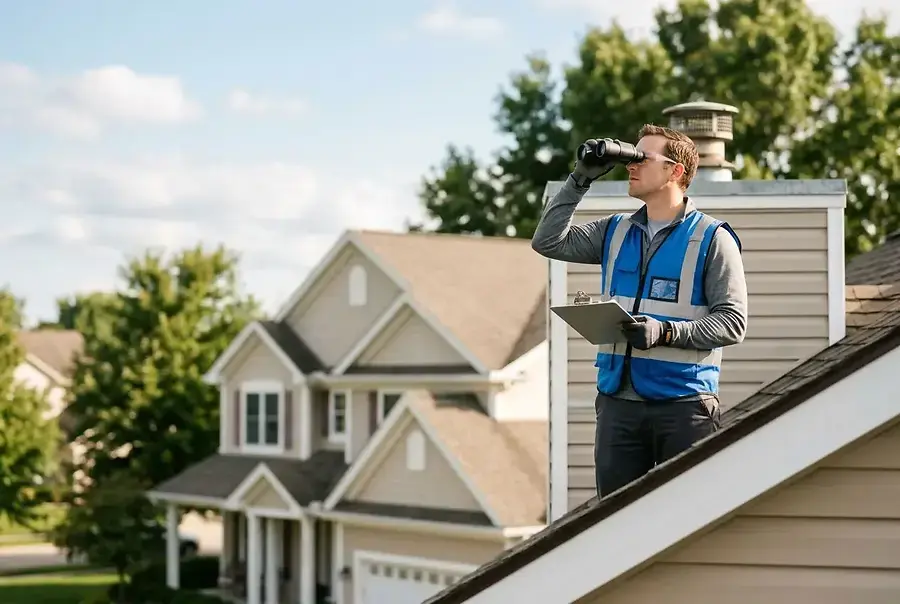
The roof is your home's first line of defense against weather. Inspectors assess shingle condition, flashing integrity, gutters, and drainage systems. A compromised roof can lead to water intrusion and interior damage, making this evaluation crucial. They also inspect siding, windows, doors, and exterior caulking for weatherproofing effectiveness.
Plumbing Systems
Professional inspectors test water pressure, check for leaks, and evaluate pipe materials and conditions. Common issues include:
- Corroded or outdated piping materials
- Slow drains or clogs
- Water heater age and functionality
- Improper venting or grading
Plumbing problems can be expensive to fix, especially if pipes are located behind walls or under concrete slabs.
Electrical Systems
Inspectors verify that electrical panels, wiring, outlets, and switches meet current safety standards. They look for outdated components, improper installations, and potential fire hazards. Outdated electrical systems may not support modern appliance demands and could require costly upgrades.
HVAC Systems
Heating, ventilation, and air conditioning systems are evaluated for age, maintenance condition, and functionality. Inspectors check furnaces, air conditioners, ductwork, and thermostats. Replacing these systems can be expensive, so understanding their remaining lifespan is valuable information.
Interior Components
Inspectors examine walls, ceilings, floors, doors, and windows for damage, moisture, or structural issues. They also assess:
- Insulation adequacy
- Ventilation effectiveness
- Signs of pest infestation or water damage
- Appliance functionality
Safety Concerns
Safety issues demand immediate attention. Inspectors identify hazards such as asbestos, lead paint, mold, radon, and carbon monoxide risks. These environmental concerns can pose serious health risks and require professional remediation.
Preparing for Your Inspection: What to Expect and How to Prepare
Before the Inspection
Schedule your inspection within the timeframe specified in your purchase agreement, typically 7-10 days after making an offer. Ensure the property is accessible and utilities are functioning. Notify the seller's agent of the inspection date and time to coordinate access.
Review the inspector's qualifications and certifications. Look for membership in professional organizations like the American Society of Home Inspectors (ASHI) or National Association of Home Inspectors (NAHI). Ask about their experience with properties similar to yours.
During the Inspection
Plan to attend the inspection in person. This allows you to ask questions, understand issues firsthand, and see problem areas directly. A typical inspection takes 2-4 hours depending on the property's size and age.
Take notes and photos of areas the inspector identifies as problematic. Ask the inspector to explain findings in detail and discuss the severity of issues. Understanding whether something is a minor cosmetic issue or a major structural problem is essential for decision-making.
After the Inspection
Review the detailed inspection report carefully. Reports typically include photographs, descriptions of issues, and recommendations for repairs or further evaluation.
A thorough inspection report becomes your roadmap for negotiations and future maintenance planning.
Prioritize issues by severity. Major structural, safety, or system failures require immediate attention, while minor cosmetic issues may be acceptable. Use the report to request repair estimates from contractors, which strengthens your negotiating position.
Using Inspection Findings to Negotiate and Protect Your Investment
Armed with inspection results, you have several options. You can request that the seller make repairs before closing, ask for a credit to cover repair costs, or negotiate a reduced purchase price. Some buyers use inspection findings as grounds to renegotiate the entire deal or withdraw from the purchase if issues are severe enough.
Be strategic in your negotiations. Focus on significant issues that affect safety, functionality, or long-term value. Sellers are more likely to address major concerns than minor cosmetic issues. Get repair estimates to support your requests with concrete numbers.
Even if you proceed with the purchase despite inspection findings, use the report to plan future maintenance and budget for necessary repairs. Understanding your home's condition helps you prioritize improvements and avoid costly surprises.
A professional home inspection is an investment in your peace of mind and financial security. It provides the knowledge needed to make confident decisions, negotiate effectively, and protect your most valuable asset. Don't skip this critical step in the home buying process.