The Complete Guide to Richmond Home Inspection and Due Diligence
Protect your investment by understanding what professional inspectors look for and how to evaluate a property's true condition before closing.

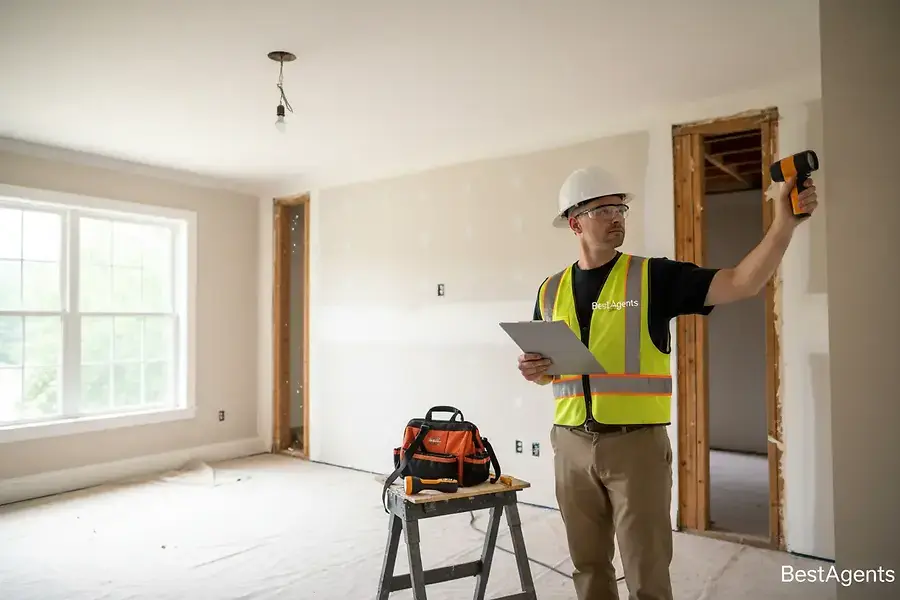
Introduction: Why Home Inspections Matter in Richmond's Real Estate Market
Purchasing a home is one of the most significant financial decisions you'll make in your lifetime. In Richmond's competitive real estate market, where properties range from historic Victorian homes to modern developments, a professional home inspection is not just a recommendation—it's essential due diligence. A thorough inspection can reveal hidden problems that could cost thousands in repairs and help you negotiate better terms or walk away from a problematic property.
Many buyers skip or rush through inspections to close deals quickly, but this approach puts your investment at serious risk. A comprehensive home inspection provides an objective assessment of a property's condition, giving you the information needed to make an informed decision and protect your financial interests.
What Professional Inspectors Evaluate: Key Systems and Structural Components
Structural Integrity and Foundation
Professional inspectors begin by examining the foundation and overall structural integrity of the home. They look for:
- Cracks in the foundation or basement walls
- Signs of settling or shifting
- Water damage or moisture intrusion
- Proper grading around the foundation
Richmond's clay-heavy soil and variable weather patterns can create foundation challenges, making this assessment particularly important in our region.
Roofing and Exterior Systems
The roof is your home's first line of defense against the elements. Inspectors evaluate:
- Roof age and remaining lifespan
- Shingle condition and missing or damaged sections
- Flashing around chimneys and vents
- Gutters and downspout functionality
- Siding, windows, and exterior doors
A roof replacement can easily cost $10,000 or more, so understanding its condition is crucial for your budget planning.
Plumbing Systems
Water-related issues are among the most expensive problems to repair. Inspectors check:
- Water pressure and flow rates
- Pipe material and condition (galvanized, copper, PVC)
- Signs of leaks or water damage
- Drain functionality and potential blockages
- Water heater age and condition
- Septic system status (if applicable)
Older Richmond homes may have outdated plumbing that requires updates or replacement, which should factor into your purchasing decision.
Electrical Systems
Safety is paramount when evaluating electrical systems. Inspectors examine:
- Panel capacity and condition
- Grounding and bonding
- Outlet and switch functionality
- Presence of GFCI outlets in wet areas
- Wiring type and potential hazards
Homes with outdated electrical systems may need upgrades to meet current safety standards and support modern appliances.
HVAC Systems
Heating, ventilation, and air conditioning systems are critical for comfort and health. Inspectors assess:
- Furnace or heat pump age and efficiency
- Air conditioning unit condition
- Ductwork integrity and sealing
- Thermostat functionality
- Maintenance history and cleanliness
Interior Components
Inspectors also evaluate interior elements including:
- Walls, ceilings, and floors for damage or settling
- Doors and windows operation
- Insulation levels and ventilation
- Appliances included in the sale
- Fireplace and chimney condition
Red Flags and Common Issues Found in Richmond Homes
Water Damage and Moisture Problems
Richmond's humid climate makes water intrusion a common concern. Watch for:
- Stains on ceilings or walls indicating roof leaks
- Musty odors suggesting mold or mildew
- Efflorescence (white powder) on basement walls
- Soft spots in flooring or drywall
Why it matters: Water damage can lead to structural deterioration, mold growth, and expensive remediation costs.
Outdated Systems in Historic Homes
Many Richmond properties are historic gems, but older homes often have:
- Knob-and-tube wiring requiring replacement
- Cast iron plumbing prone to corrosion
- Asbestos in insulation, flooring, or roofing
- Lead paint requiring professional abatement
Why it matters: Updating these systems can be costly but necessary for safety and functionality.
HVAC Concerns
Many Richmond homes have aging heating and cooling systems. Red flags include:
- Units over 15 years old nearing end of life
- Inconsistent temperature control
- Unusual noises or odors
- Lack of maintenance records
Foundation and Structural Issues
Look for signs of:
- Cracks wider than 1/4 inch
- Doors or windows that stick or won't close properly
- Uneven or sloping floors
- Bowing walls or visible separation
Pest and Termite Damage
Richmond's climate attracts various pests. Inspectors look for:
- Termite damage or mud tubes
- Carpenter ant evidence
- Rodent droppings or entry points
- Wood rot or decay
Conclusion: Using Inspection Results to Make Confident Purchasing Decisions
A professional home inspection is your opportunity to understand exactly what you're buying. Armed with a detailed inspection report, you can:
- Negotiate repairs or credits with the seller for identified issues
- Budget for future maintenance and necessary upgrades
- Identify deal-breakers before signing final paperwork
- Plan renovation priorities if you're purchasing a fixer-upper
- Gain peace of mind knowing the property's true condition
Don't view the inspection as an obstacle to closing—view it as your protection. In Richmond's real estate market, where properties vary widely in age and condition, a thorough inspection is the smart buyer's best investment. Take time to review the report carefully, ask your inspector questions, and use the findings to make a confident decision about one of life's biggest purchases.


