The Complete Guide to Selling Your Home in Indianapolis Metro
Proven strategies to attract qualified buyers and close your sale in today's competitive market.

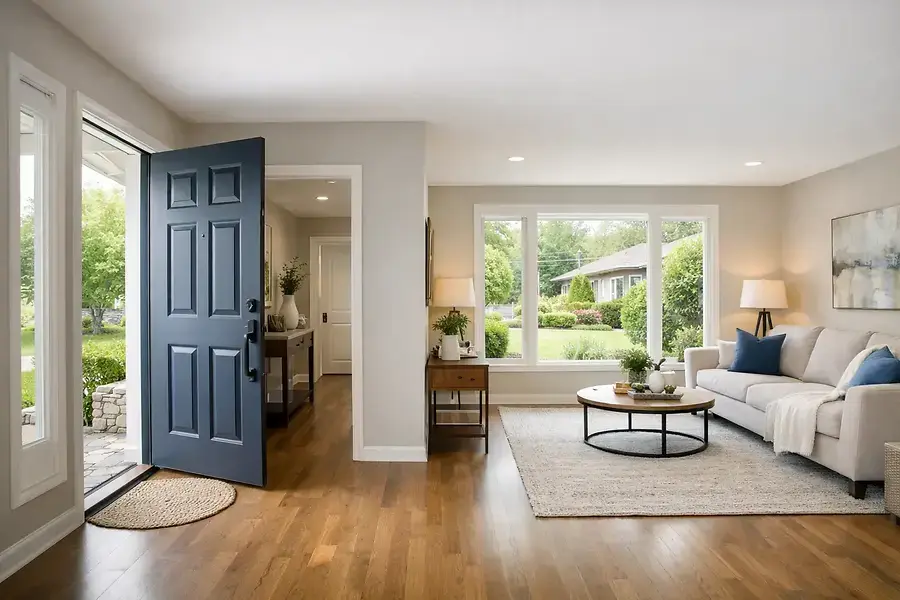
Understanding the Current Indianapolis Metro Real Estate Market
The Indianapolis metropolitan area continues to be one of the most dynamic real estate markets in the Midwest. With steady population growth and a diverse economy, sellers have significant opportunities to connect with qualified buyers. Understanding the current market conditions is essential before listing your property.
The market is characterized by strong buyer interest, particularly in established neighborhoods and properties that offer modern amenities. Inventory levels remain competitive, which means homes that are properly prepared and priced strategically tend to sell faster and for better prices. Buyers in the Indianapolis area are actively seeking homes that require minimal repairs and offer move-in ready conditions.
Key Market Factors to Consider
- Buyer Demographics: Young professionals, families, and retirees are all active in the market, each with different priorities and budgets.
- Neighborhood Trends: Certain areas are experiencing rapid appreciation, while others offer excellent value for first-time buyers.
- Seasonal Patterns: Spring and early summer typically see increased buyer activity, but year-round opportunities exist.
- Interest Rates: Current mortgage rates influence buyer purchasing power and market velocity.
Essential Home Preparation and Staging Tips for Maximum Appeal
First impressions matter tremendously in real estate. Before listing your home, invest time and resources into making it as appealing as possible to potential buyers. A well-prepared home can command higher offers and sell more quickly.
Curb Appeal: Your Home's First Impression
The exterior of your home is the first thing buyers see. Ensure your landscaping is neat and well-maintained, paint the front door a welcoming color, and make sure the entrance is clean and inviting. Power wash the driveway and walkways to remove dirt and stains. These relatively inexpensive improvements can dramatically impact buyer perception.
Interior Staging Strategies
- Declutter Ruthlessly: Remove personal items, excess furniture, and unnecessary decorations to help buyers envision themselves in the space.
- Deep Clean Everything: A spotless home signals that it has been well-maintained. Pay special attention to kitchens, bathrooms, and baseboards.
- Neutral Color Palette: Paint walls in neutral tones and remove bold or unusual décor that might distract from the home's features.
- Lighting Matters: Ensure all rooms are well-lit. Replace dim bulbs and open curtains to let natural light flood in.
- Create Flow: Arrange furniture to create clear pathways and make rooms feel spacious and welcoming.
Critical Repairs and Updates
Address any obvious maintenance issues before showing your home. Leaky faucets, broken fixtures, and damaged walls send negative signals to buyers. Consider making strategic updates that offer strong return on investment, such as kitchen and bathroom refreshes, new flooring, or updated lighting fixtures.
"A home that is move-in ready will always attract more serious buyers and command premium pricing compared to properties requiring significant work."
Pricing Strategy and Marketing Tactics That Drive Quick Sales
Pricing your home correctly is one of the most critical decisions you'll make. Price too high, and you'll struggle to attract buyers; price too low, and you'll leave money on the table. Work with a knowledgeable real estate professional to conduct a comparative market analysis and determine the optimal listing price.
Competitive Market Analysis
Research recently sold homes in your neighborhood with similar square footage, condition, and features. Look at homes that sold within the last 90 days to get the most accurate picture of current market conditions. This data-driven approach ensures your pricing is competitive and attractive to buyers.
Effective Marketing Strategies
- Professional Photography: High-quality photos are essential. Invest in professional photography and consider drone shots to showcase your property's best features.
- Virtual Tours: Offer 3D virtual tours and video walkthroughs to reach buyers who can't visit in person.
- Online Presence: List your home on all major real estate platforms and ensure consistent, accurate information across all listings.
- Social Media Marketing: Leverage social media platforms to reach a broader audience and generate interest in your property.
- Open Houses: Host well-organized open houses to attract local buyers and generate momentum.
- Targeted Advertising: Use digital advertising to reach specific buyer demographics interested in your neighborhood and price range.
Highlighting Unique Features
Every home has unique selling points. Whether it's a renovated kitchen, spacious backyard, proximity to schools, or energy-efficient upgrades, make sure these features are prominently featured in your marketing materials. Tell the story of your home and help buyers understand why it's the right choice for them.
Closing the Deal: Negotiation and Final Steps to Success
Once you receive offers, the real negotiation begins. Stay flexible but firm on your priorities. Consider not just the price, but also the terms, contingencies, and timeline. A lower offer with fewer contingencies might be better than a higher offer with multiple conditions.
Evaluating Offers Strategically
Look beyond the purchase price. Consider the buyer's financing, inspection contingencies, closing timeline, and any requested repairs or credits. A serious buyer with strong financing and minimal contingencies may be more valuable than a higher offer with significant conditions attached.
Inspection and Appraisal Preparation
Be prepared for the buyer's home inspection. Have documentation of recent repairs and maintenance readily available. If issues are discovered, be ready to negotiate repairs, credits, or price adjustments. Similarly, ensure your home appraises at or above the agreed purchase price by maintaining realistic pricing throughout the process.
Final Steps to Closing
- Coordinate with your real estate agent and attorney to ensure all paperwork is completed accurately and on time.
- Prepare a detailed list of items included in the sale to avoid last-minute disputes.
- Schedule a final walkthrough to verify the home's condition and that agreed-upon repairs have been completed.
- Review all closing documents carefully before signing.
- Arrange for utility transfers and address changes well in advance of closing day.
Selling your home in the Indianapolis metro area doesn't have to be stressful. By understanding the market, preparing your home properly, pricing strategically, and negotiating effectively, you can achieve a successful sale that meets your goals. Partner with experienced professionals who understand the local market and can guide you through every step of the process.