The Complete Guide to Selling Your Home Without a Real Estate Agent
Essential strategies and insider knowledge to successfully navigate the for-sale-by-owner process and maximize your property's selling potential.

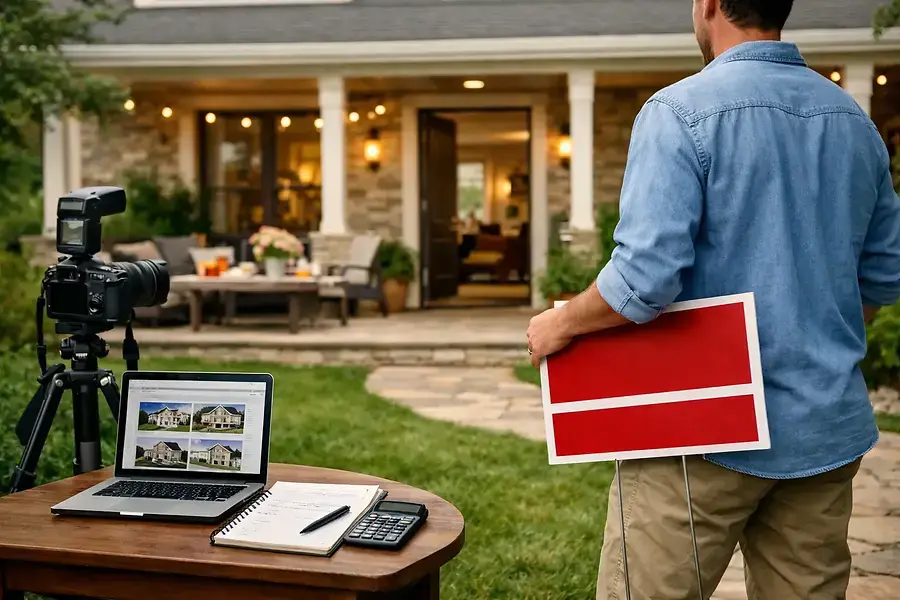
Introduction: Understanding the FSBO Market and Your Options
Selling your home without a real estate agent, commonly known as For-Sale-By-Owner (FSBO), has become an increasingly viable option for homeowners looking to maximize their profits and maintain control over the selling process. While the traditional real estate agent model has dominated the market for decades, modern technology and accessible information have empowered sellers to take matters into their own hands.
The decision to go FSBO comes with both significant advantages and considerable responsibilities. You'll save on commission fees—typically 5-6% of your home's sale price—but you'll also need to invest time, effort, and potentially money in marketing, legal documentation, and negotiations. Understanding the full scope of what's involved is the first step toward making an informed decision.
Pricing Your Home Competitively: Research, Valuation, and Market Analysis
Conducting Thorough Market Research
The foundation of a successful FSBO sale begins with accurate pricing. Start by analyzing comparable properties in your neighborhood—homes similar in size, condition, and features that have sold recently. Online platforms like Zillow, Redfin, and Realtor.com provide valuable data on recent sales, though local market knowledge is equally important.
- Review homes that sold within the last 3-6 months in your area
- Compare square footage, lot size, age, and condition
- Account for unique features that add or subtract value
- Consider seasonal market trends and local economic factors
Professional Valuation Methods
While you're saving on agent commissions, consider investing in a professional appraisal or Comparative Market Analysis (CMA). An appraiser provides an unbiased assessment based on standardized methods, which can be invaluable when setting your asking price. This typically costs $300-500 but can prevent costly pricing mistakes.
Another approach is the income capitalization method for investment properties, or the cost approach if your home has unique features. Don't underestimate the power of a well-researched price—it's the single most important factor in attracting serious buyers.
Marketing and Showing Your Property: Creating Buyer Interest Without Professional Help
Building Your Online Presence
In today's digital-first market, online visibility is crucial. List your property on major platforms like Zillow, Redfin, Craigslist, and Facebook Marketplace. High-quality photos are non-negotiable—invest in professional photography or learn smartphone photography techniques that showcase your home in the best light.
- Take photos during natural daylight hours
- Stage rooms to highlight their potential
- Include exterior shots and key features
- Consider creating a virtual tour or video walkthrough
Effective Open Houses and Private Showings
Schedule regular open houses and be prepared for private showings. Create a welcoming atmosphere by ensuring your home is clean, well-lit, and free of strong odors. Provide informational packets with details about your property, neighborhood amenities, utility costs, and recent upgrades.
During showings, be honest about your home's condition and history. Transparency builds trust and prevents complications later in the process. Consider offering incentives like covering closing costs or including appliances to sweeten the deal for potential buyers.
Leveraging Social Media and Word-of-Mouth
Don't underestimate the power of personal networks. Share your listing on social media, tell friends and family, and encourage them to spread the word. Word-of-mouth marketing remains one of the most effective strategies, and it costs nothing but a little effort.
Navigating Contracts, Inspections, and Closing: Legal Considerations and Timeline Management
Understanding Legal Requirements
This is where many FSBO sellers encounter challenges. Real estate transactions involve complex legal documents and state-specific regulations. Consult with a real estate attorney—this investment (typically $500-1,500) is essential to protect yourself and ensure compliance with local laws.
Key legal considerations include:
- Purchase agreements and contract terms
- Disclosure requirements for property defects
- Title search and title insurance
- Homeowners association documents (if applicable)
- State-specific closing procedures and documentation
Managing Inspections and Appraisals
Once you have an offer, the buyer will typically order a home inspection and appraisal. Be prepared for the inspection process by having all maintenance records available and addressing obvious issues beforehand. If the inspection reveals problems, be ready to negotiate repairs or price adjustments.
The appraisal protects the buyer's lender and ensures the property value supports the loan amount. If the appraisal comes in low, you may need to renegotiate the price or provide additional documentation of your home's value.
Coordinating the Closing Timeline
The closing process typically takes 30-45 days from offer acceptance. Coordinate with the buyer's lender, title company, and attorney to ensure all documents are prepared and deadlines are met.
Stay organized, respond promptly to requests, and maintain clear communication with all parties involved.
At closing, you'll sign final documents, receive the proceeds from the sale, and transfer ownership. Have your attorney review all closing documents before signing to catch any errors or discrepancies.
Conclusion: Making an Informed Decision About Your Home Sale
Selling your home without a real estate agent is entirely feasible with proper preparation, research, and attention to detail. The potential savings in commission fees can be substantial, but success requires your active involvement and willingness to learn the process.
Remember: pricing correctly, marketing effectively, and handling legal matters properly are the three pillars of a successful FSBO sale. If at any point you feel overwhelmed, don't hesitate to hire professionals for specific tasks—whether that's a photographer, attorney, or inspector. The goal is to sell your home for the best possible price while protecting yourself legally and financially.
By following this guide and staying informed throughout the process, you'll be well-equipped to navigate the FSBO market and achieve your home-selling goals.


