The Complete Guide to Selling Your Home Without a Real Estate Agent
Learn the essential steps and legal requirements for successfully navigating a for-sale-by-owner transaction.

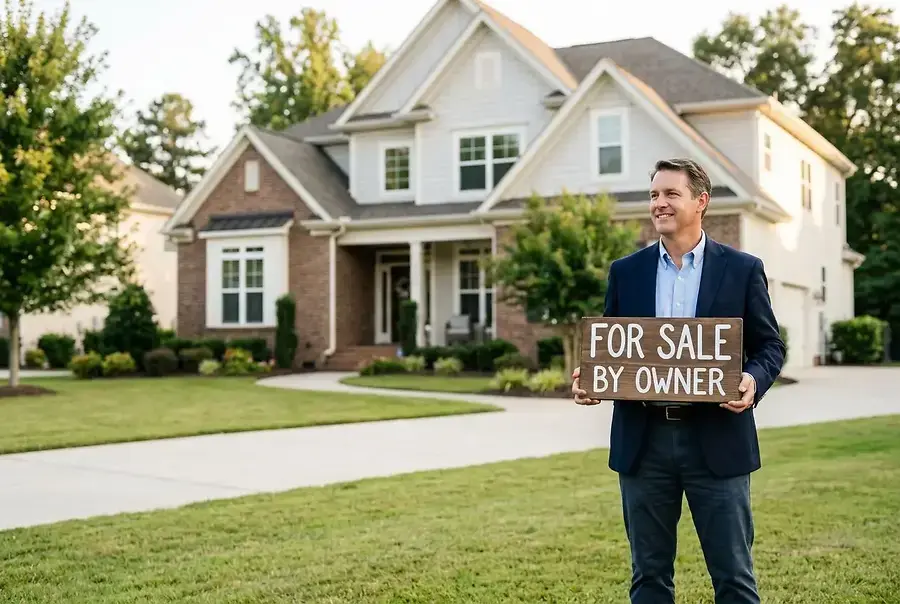
Introduction: The Growing Trend of FSBO Sales
For-sale-by-owner (FSBO) transactions have become increasingly popular among homeowners looking to save on commission costs and maintain greater control over the selling process. By eliminating the traditional real estate agent, sellers can potentially save thousands of dollars while taking an active role in marketing and negotiating their property. However, selling your home independently requires careful planning, legal knowledge, and strategic execution.
This comprehensive guide will walk you through every step of the FSBO process, from understanding legal obligations to closing the sale successfully.
Understanding Legal Requirements and Disclosure Obligations
Know Your Local Laws
Before listing your property, research your state and local real estate laws. Each jurisdiction has specific requirements regarding disclosures, contracts, and transaction procedures. Failure to comply with legal requirements can result in costly lawsuits or transaction delays.
Required Disclosures
Homeowners must disclose known defects and issues with their property. Common disclosure requirements include:
- Structural problems and foundation issues
- Water damage, flooding, or mold
- Pest infestations or termite damage
- Roof condition and age
- HVAC system status
- Lead paint (for homes built before 1978)
- Environmental hazards
Incomplete or false disclosures can expose you to legal liability even after the sale closes.
Contracts and Documentation
Use a legally binding purchase agreement that complies with your state's requirements. Consider consulting with a real estate attorney to review contracts before presenting them to buyers. Many states offer standardized forms that provide legal protection for both parties.
Marketing and Pricing Your Property Effectively
Determine the Right Price
Pricing is critical to attracting serious buyers. Overpricing your home will deter potential buyers, while underpricing leaves money on the table. Research comparable properties in your area that have sold recently. Look at:
- Square footage and lot size
- Age and condition of similar homes
- Location and neighborhood amenities
- Recent sale prices and days on market
Consider hiring a professional appraiser to get an objective valuation of your property.
Create Compelling Marketing Materials
High-quality photos and descriptions are essential for attracting buyers online. Invest in professional photography that showcases your home's best features. Write detailed descriptions highlighting:
- Unique architectural features
- Recent renovations and upgrades
- Energy-efficient systems
- Outdoor spaces and landscaping
- Proximity to schools, shopping, and transportation
Leverage Multiple Marketing Channels
List your property on popular real estate websites, social media platforms, and local classifieds. Create a dedicated website or landing page for your home. Host open houses and virtual tours to reach a wider audience. The more exposure your property receives, the better your chances of finding qualified buyers.
Handling Negotiations and Closing the Sale
Prepare for Buyer Inquiries
Be ready to answer questions about your property's condition, utilities, taxes, and neighborhood. Maintain detailed records of maintenance, repairs, and improvements. Transparency builds trust and can accelerate the negotiation process.
Negotiate Effectively
When offers come in, evaluate them carefully. Consider not just the price, but also:
- Contingencies (inspection, appraisal, financing)
- Proposed closing timeline
- Earnest money deposit amount
- Buyer's financial qualification
Be prepared to negotiate repairs, closing costs, and other terms. A lower offer with fewer contingencies may be better than a higher offer with significant conditions.
Coordinate the Closing Process
Once you've accepted an offer, coordinate with the buyer's lender, title company, and inspector. Ensure all inspections are completed and any agreed-upon repairs are made. Review the closing disclosure document carefully before signing. Consider hiring a real estate attorney to represent your interests during closing.
"Selling your home without an agent is achievable, but it requires dedication, knowledge, and attention to detail. Don't rush the process—taking time to do things right will protect your interests and maximize your return."
Conclusion: When to Consider Professional Help
While FSBO sales can save money, they're not ideal for everyone. Consider hiring a real estate agent or attorney if you:
- Lack time to manage the selling process
- Have a complex property or legal situation
- Live in a competitive or slow market
- Feel uncomfortable negotiating with buyers
- Need professional marketing expertise
Ultimately, successfully selling your home without an agent depends on your knowledge, preparation, and willingness to invest time and effort. By following this guide and understanding your legal obligations, you can navigate the FSBO process confidently and achieve your goal of selling your home on your own terms.