The Complete Guide to Spokane Home Inspections and Due Diligence
A comprehensive guide to protecting your investment through professional inspections and thorough property evaluation.

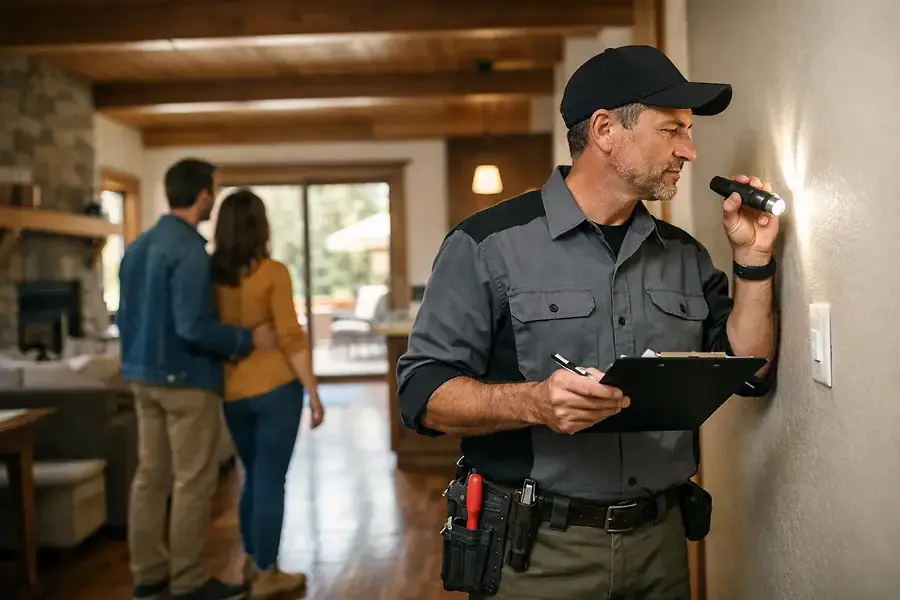
What to Expect During a Professional Home Inspection
A professional home inspection is one of the most critical steps in the home buying process. When you hire a certified inspector in Spokane, you're investing in peace of mind and protecting your financial future. Understanding what happens during this process will help you prepare and get the most value from the inspection.
During a typical home inspection, a qualified professional will spend two to four hours thoroughly examining the property. The inspector will evaluate the structural integrity, electrical systems, plumbing, HVAC systems, roofing, and overall condition of the home. They'll check everything from the foundation to the attic, looking for signs of damage, wear, or potential problems.
The Inspection Process
Your inspector will:
- Examine the exterior, including the roof, siding, and foundation
- Test all electrical outlets and switches
- Check water pressure and drainage systems
- Inspect heating and cooling systems
- Look for signs of pest damage or water intrusion
- Evaluate the condition of windows, doors, and insulation
- Document findings with photos and detailed notes
Most inspectors will allow you to follow along during the inspection. This is an excellent opportunity to ask questions and learn about the property's condition firsthand. Don't hesitate to request clarification on any issues the inspector discovers.
Common Issues Found in Spokane Homes and How to Address Them
Spokane's climate and age of many homes in the area create specific challenges that buyers should be aware of. Understanding these common issues will help you evaluate inspection reports more effectively.
Water Damage and Moisture Issues
Given Spokane's weather patterns, water intrusion is one of the most frequently discovered problems. Basements and crawl spaces are particularly vulnerable. Look for signs of previous water damage, such as staining, mold, or efflorescence on foundation walls. These issues can be addressed through improved drainage systems, sump pumps, or waterproofing treatments.
Roof and Gutter Problems
Many Spokane homes have aging roofs that may need replacement or repair. Inspectors will assess the remaining lifespan of roofing materials and check for missing shingles, leaks, or improper installation. Gutter systems should also be evaluated for proper drainage and maintenance needs.
HVAC System Concerns
Heating systems are critical in Spokane's climate. Inspectors will test furnaces, heat pumps, and air conditioning units to ensure they operate efficiently. Older systems may require replacement, which is a significant expense to factor into your decision.
Electrical and Plumbing Updates
Older homes may have outdated electrical panels or plumbing systems. Knob-and-tube wiring and galvanized pipes are common findings in vintage Spokane properties. While not always immediately dangerous, these systems may need upgrading for safety and functionality.
Using Inspection Reports to Negotiate and Make Informed Decisions
Once you receive the inspection report, you have valuable information to guide your next steps. This is where due diligence truly pays off.
Reviewing the Report Thoroughly
Take time to carefully read the entire inspection report. Pay special attention to items marked as "major concerns" or "safety issues." The inspector should provide clear explanations of what was found and the potential implications. If anything is unclear, contact your inspector for clarification before proceeding.
Prioritizing Issues by Severity
Not all inspection findings require immediate action. Categorize issues into three groups:
- Critical Issues: Safety hazards or structural problems requiring immediate attention
- Important Issues: Systems that may fail soon and need repair or replacement
- Minor Issues: Cosmetic concerns or routine maintenance items
Negotiation Strategies
Armed with your inspection report, you have several options:
- Request the seller make repairs before closing
- Ask for a price reduction to cover repair costs
- Request a credit at closing for specific issues
- Negotiate a timeline for repairs after purchase
Remember: The inspection report is a negotiation tool. Use it strategically to protect your interests while remaining reasonable about what constitutes a deal-breaker.
Making Your Final Decision
The inspection report should inform your final purchasing decision. Consider the total cost of repairs, your budget for updates, and whether the property still represents good value. Some buyers walk away from deals based on inspection findings, while others negotiate successfully and move forward confidently.
Conclusion: Making Confident Home Purchases in Spokane
A professional home inspection is not an expense—it's an investment in your future. By understanding what to expect, recognizing common Spokane-area issues, and knowing how to use inspection reports effectively, you empower yourself to make informed decisions.
Whether you're a first-time homebuyer or an experienced investor, thorough due diligence protects your financial interests and helps you avoid costly surprises. Take the inspection process seriously, ask questions, and trust the expertise of certified professionals. Your dream Spokane home should be built on a foundation of knowledge and confidence.


