The Complete Guide to Staging Your St. Louis Home for Maximum Buyer Appeal
Proven staging strategies that help St. Louis homeowners attract more qualified buyers and achieve top dollar for their properties.

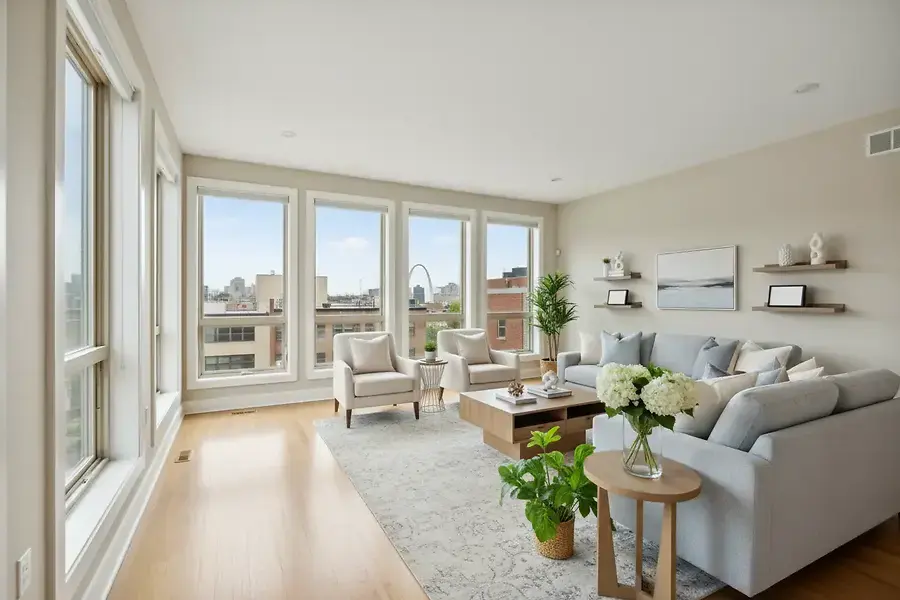
Why Home Staging Matters in the St. Louis Market
Home staging has become an essential tool for sellers in the St. Louis real estate market. When potential buyers walk through your home, they're not just evaluating the property—they're imagining themselves living there. Proper staging helps buyers envision the full potential of your space, which can significantly impact their purchasing decisions.
The St. Louis market is competitive, with homes ranging from historic properties in neighborhoods like Clayton and Webster Groves to modern developments in the suburbs. Staging levels the playing field, allowing your home to stand out among comparable listings. Homes that are properly staged typically spend less time on the market and often sell for higher prices than unstaged properties.
Research shows that staged homes can sell up to 73% faster than unstaged homes. In a market where first impressions matter, staging is an investment that pays dividends.
Essential Staging Techniques for Different Room Types
The Living Room and Main Gathering Spaces
Your living room is often the first impression buyers have of your home's interior. Keep furniture arrangements open and inviting. Avoid blocking windows or natural light sources, as these are major selling points in St. Louis homes.
- Arrange furniture to create conversation areas
- Remove 30-50% of personal items and decorations
- Ensure there's a clear focal point, such as a fireplace or window view
- Add fresh flowers or plants for color and life
- Keep the space clutter-free and clean
The Kitchen: A Major Selling Point
Kitchens are one of the most important rooms for buyers. A well-staged kitchen can increase your home's appeal dramatically. Clear countertops of appliances and personal items, keeping only essential items like a coffee maker or utensil holder.
- Clean and polish all appliances until they shine
- Organize cabinets and remove excess items
- Update cabinet hardware if it looks dated
- Add a bowl of fresh fruit or fresh herbs for visual appeal
- Ensure lighting is bright and welcoming
Bedrooms: Creating a Sanctuary
Bedrooms should feel peaceful and spacious. Remove personal photos and memorabilia to help buyers imagine their own belongings in the space.
- Use neutral bedding in soft, calming colors
- Remove excess furniture to make rooms appear larger
- Ensure closets are organized and not overflowing
- Add soft lighting with lamps or dimmer switches
- Keep nightstands minimal with just a lamp and perhaps a small plant
Bathrooms: Clean and Spa-Like
Bathrooms should feel clean, bright, and spa-like. Cleanliness is paramount in bathrooms, as any signs of grime or mold can turn buyers away immediately.
- Deep clean all surfaces, grout, and fixtures
- Remove personal toiletries and clutter
- Add fresh towels in neutral colors
- Place a small plant or candle for ambiance
- Ensure mirrors are spotless and lighting is flattering
Budget-Friendly Staging Tips for Every Seller
The Power of Decluttering
Decluttering is the most cost-effective staging strategy. You don't need to spend money—you need to remove items. Go through each room and eliminate anything that doesn't serve a purpose or contribute to the home's appeal.
This includes:
- Excess furniture that makes rooms feel cramped
- Personal photos and memorabilia
- Outdated decorations and knick-knacks
- Expired items in bathrooms and kitchens
- Anything that shows wear or damage
Fresh Paint and Minor Updates
If your budget allows, a fresh coat of neutral paint can transform a space. Stick to colors like soft whites, warm grays, and beiges that appeal to a broad audience. This is one of the highest ROI improvements you can make.
Other budget-friendly updates include:
- Replacing old cabinet hardware
- Updating light fixtures or adding dimmer switches
- Caulking gaps and sealing cracks
- Touching up baseboards and trim
Lighting and Curb Appeal
Good lighting makes homes feel larger and more welcoming. Open all curtains and blinds during showings to maximize natural light. Add lamps to darker corners and ensure all light bulbs are working and bright.
For curb appeal, focus on:
- Cleaning the front entrance thoroughly
- Adding potted plants or flowers near the door
- Ensuring the lawn is mowed and edges are trimmed
- Pressure washing the driveway and walkway
- Updating house numbers if they're outdated
Measuring Success: How Staging Impacts Your Sale Timeline and Price
Tracking Market Performance
To measure the impact of staging, compare your home's performance to similar properties in your neighborhood. Work with your real estate agent to analyze days on market, offer prices, and buyer feedback.
Key metrics to monitor include:
- Number of showings and inquiries received
- Time on market compared to similar homes
- Offer prices and terms
- Buyer feedback from showings
- Final sale price versus asking price
The Financial Impact
Staged homes typically sell for 5-10% more than unstaged homes. In the St. Louis market, this can translate to thousands of dollars in additional profit. When you factor in the relatively low cost of staging—especially when using budget-friendly techniques—the return on investment is substantial.
A home that sells 30 days faster also saves you money in mortgage payments, property taxes, and utilities during the selling period.
Creating Buyer Confidence
Beyond numbers, staging creates emotional connections. When buyers walk through a well-staged home, they feel confident in their purchase decision. This confidence often translates into fewer contingencies, faster closings, and better overall outcomes for sellers.
The bottom line: Staging your St. Louis home is not an expense—it's an investment in your home's marketability and your financial success.


