The Complete Guide to Wichita Home Inspections and Evaluations
Master the critical inspection process to protect your investment and avoid costly surprises when buying residential property in Wichita.

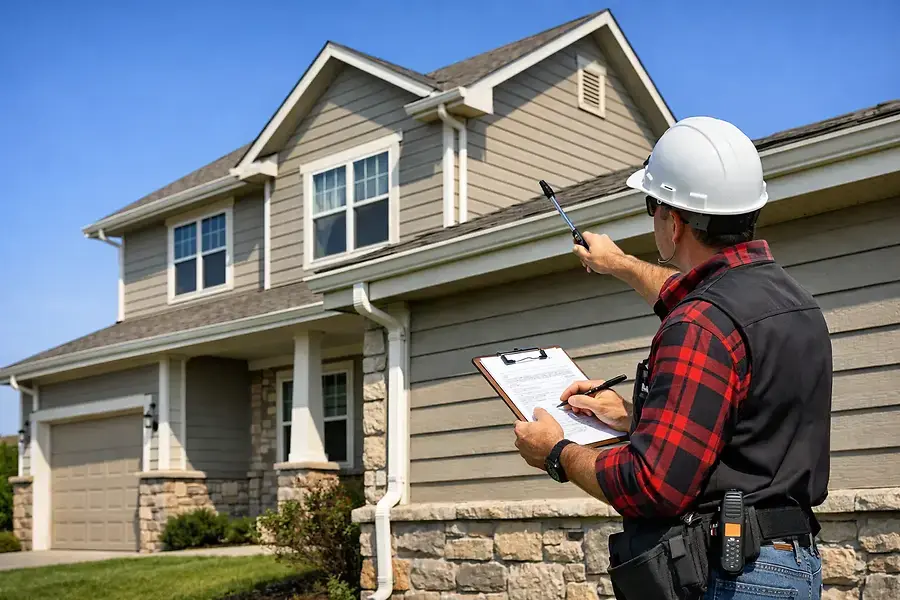
Introduction: Why Home Inspections Matter in Wichita's Residential Market
Purchasing a home is one of the most significant financial decisions you'll make in your lifetime. In Wichita's competitive residential market, a professional home inspection serves as your safeguard against hidden defects and costly repairs. Whether you're a first-time homebuyer or an experienced investor, understanding the inspection process is essential to protecting your investment.
A thorough home inspection provides an objective assessment of a property's condition, revealing issues that may not be visible during a casual walkthrough. From structural concerns to mechanical systems, inspectors examine every aspect of the home to give you the information needed to make confident purchasing decisions.
Key Areas Inspectors Evaluate in Wichita Homes
Structural Components and Foundation
Wichita's climate and soil conditions make foundation inspections particularly important. Inspectors examine the foundation for cracks, settling, and water damage. They assess the integrity of walls, floors, and the overall structural framework to ensure the home's stability and longevity.
Roofing and Exterior
The roof is your home's first line of defense against the elements. Inspectors evaluate:
- Shingle condition and age
- Flashing and sealant integrity
- Gutters and drainage systems
- Exterior walls and siding for damage or deterioration
- Windows and doors for proper sealing and operation
Plumbing Systems
A comprehensive plumbing inspection checks water supply lines, drainage systems, and fixtures throughout the home. Inspectors look for leaks, corrosion, and proper water pressure. They also evaluate the water heater's age and condition, as replacement can be a significant expense.
Electrical Systems
Electrical safety is paramount. Inspectors examine the main panel, circuit breakers, wiring, outlets, and switches. They verify that the system meets current safety codes and identify any potential hazards or outdated components that may need upgrading.
HVAC and Climate Control
Heating and cooling systems are essential in Wichita's climate. Inspectors test furnaces, air conditioning units, and ductwork to ensure proper operation and efficiency. They note the age of equipment and estimate remaining lifespan.
Interior Conditions
Beyond major systems, inspectors evaluate:
- Insulation levels and ventilation
- Drywall and interior walls for damage
- Flooring condition and stability
- Ceilings and attic spaces
- Basement or crawl space conditions
Red Flags and How to Negotiate After Inspection Results
Common Red Flags in Wichita Homes
Foundation Issues: Cracks wider than 1/4 inch, bowing walls, or signs of water intrusion warrant professional evaluation and potential repair costs.
Roof Problems: Missing shingles, significant wear, or a roof nearing the end of its lifespan (typically 20-25 years) can mean expensive replacement.
Outdated Electrical Systems: Aluminum wiring or insufficient grounding can pose safety risks and require upgrades.
Plumbing Concerns: Galvanized pipes, slow drains, or water pressure issues may indicate system problems requiring replacement.
HVAC Age: Systems over 15 years old may be approaching replacement, affecting your long-term costs.
Negotiation Strategies
Once you receive the inspection report, you have several options:
- Request Repairs: Ask the seller to fix identified issues before closing. This is most effective for significant problems.
- Negotiate Price Reduction: Request a lower purchase price to account for necessary repairs you'll handle yourself.
- Request Credits: Ask for a credit at closing to cover repair costs, giving you flexibility in contractor selection.
- Walk Away: If major issues exist and negotiations stall, you may choose to pursue another property.
Approach negotiations professionally and armed with repair estimates. Sellers are more likely to respond positively to reasonable requests backed by documented evidence from the inspection report.
Understanding Your Inspection Report
A detailed inspection report categorizes findings by severity. Critical issues require immediate attention for safety or structural integrity. Major concerns may affect home value or functionality. Minor issues are typically cosmetic or low-priority repairs.
Pro Tip: Attend the inspection if possible. Walking through with the inspector allows you to ask questions and better understand the home's condition firsthand.
Conclusion: Making Informed Decisions with Inspection Data
A professional home inspection is an investment in your peace of mind and financial security. By understanding what inspectors evaluate and how to interpret their findings, you're equipped to make informed decisions about your Wichita home purchase.
Don't skip this critical step in the buying process. The relatively modest cost of an inspection can save you thousands in unexpected repairs and help you negotiate better terms. Whether the inspection reveals minor issues or significant concerns, you'll have the information needed to move forward confidently in your home-buying journey.
Remember: a thorough inspection isn't about finding reasons to back out of a deal—it's about understanding your investment and protecting your financial future in Wichita's real estate market.


