The Complete Guide to Zoning Laws in Great Falls Real Estate
Learn how zoning regulations impact your residential and commercial property decisions in Great Falls.

Introduction: Why Zoning Matters for Great Falls Property Owners
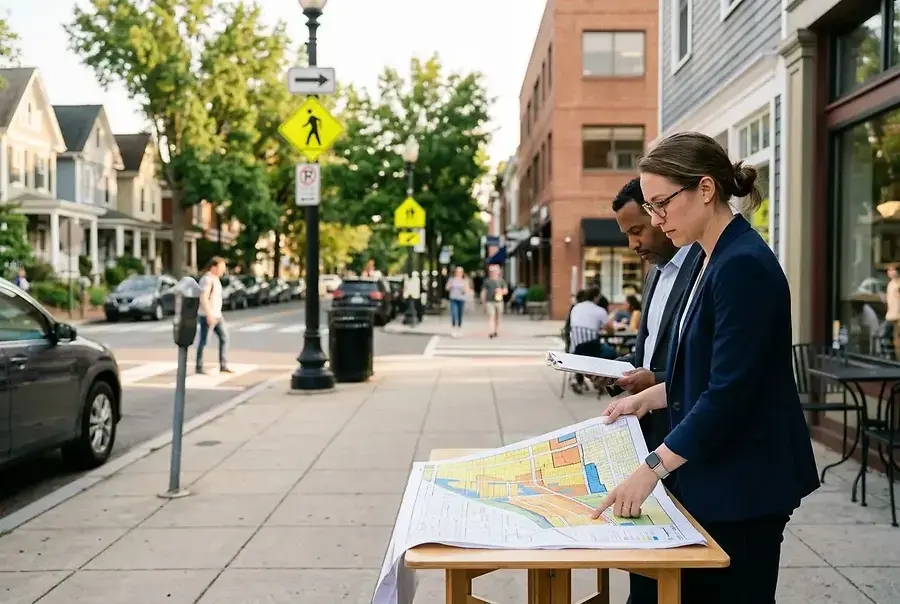
Zoning laws are the backbone of urban planning and property development in Great Falls. Whether you're a first-time homebuyer, an experienced investor, or a business owner looking to expand, understanding zoning regulations is essential to making smart real estate decisions. These laws determine what you can and cannot do with your property, affecting everything from the type of structure you can build to the activities you can conduct on your land.
Zoning regulations protect neighborhood character, ensure public safety, and promote orderly development throughout Great Falls. By separating incompatible land uses—such as keeping heavy industrial operations away from residential neighborhoods—zoning creates more livable communities and protects property values. Without these guidelines, a residential street could suddenly become home to a factory or commercial enterprise, dramatically impacting quality of life and home values.
This guide will walk you through the essential aspects of Great Falls' zoning system, helping you navigate the complexities of local regulations and make informed decisions about your property investments.
Understanding Great Falls' Residential Zoning Districts and Requirements
Types of Residential Zones
Great Falls features several residential zoning classifications, each designed to serve different housing needs and community contexts. The primary residential zones include:
- Single-Family Residential (R-1): The most restrictive residential zone, designed exclusively for detached single-family homes. This zone typically requires larger lot sizes and maintains lower density development.
- Multi-Family Residential (R-2 and R-3): These zones permit duplexes, townhomes, and apartment complexes. R-2 allows moderate density development, while R-3 accommodates higher-density residential projects.
- Mixed-Use Residential: These zones blend residential units with limited commercial uses, creating vibrant neighborhoods where people can live and shop locally.
Key Residential Requirements
Each residential zone comes with specific requirements that property owners must follow. These typically include:
- Lot Size and Setbacks: Minimum lot dimensions and required distances from property lines to structures
- Building Height Restrictions: Maximum heights for residential structures, often varying by zone
- Parking Requirements: Minimum number of parking spaces based on property type and use
- Density Limits: Maximum number of dwelling units allowed per acre
- Accessory Structures: Rules governing sheds, garages, and other secondary buildings
Before purchasing residential property in Great Falls, always verify the specific zoning classification and review the detailed requirements. This prevents costly surprises and ensures your plans align with local regulations.
Variances and Special Permits
If your intended use doesn't perfectly fit the zoning requirements, you may be eligible for a variance or special permit. These exceptions allow property owners to deviate from standard zoning rules when justified by unique circumstances. However, obtaining a variance requires approval from the Great Falls Zoning Board and typically involves a formal application process with public hearings.
Commercial Zoning Regulations and Development Opportunities in Great Falls
Commercial Zone Categories
Great Falls' commercial zoning system is designed to support business growth while protecting residential neighborhoods. The main commercial zones include:
- Neighborhood Commercial (C-1): Small-scale retail and service businesses serving local communities, such as convenience stores, restaurants, and professional offices
- General Commercial (C-2): Larger retail operations, shopping centers, and a broader range of commercial services
- Downtown Commercial (C-3): Mixed-use development in the city center, combining retail, offices, and residential units
- Industrial (I-1 and I-2): Manufacturing, warehousing, and heavy industrial operations, with I-2 allowing the most intensive uses
Commercial Development Considerations
Commercial property development in Great Falls involves several important factors beyond basic zoning classification:
- Frontage and Access: Properties must have adequate street frontage and access for customer and delivery traffic
- Parking and Loading: Commercial zones require substantial parking areas and designated loading zones
- Sign Regulations: Strict rules govern the size, type, and placement of business signage
- Environmental Compliance: Certain commercial uses require environmental assessments and permits
- Traffic Impact Studies: Large commercial projects may require analysis of traffic patterns and infrastructure capacity
Growth Opportunities and Incentives
Great Falls actively encourages strategic commercial development through various incentive programs. These may include tax abatements, expedited permitting for priority development areas, and infrastructure improvements in designated growth corridors. Entrepreneurs and developers should explore these opportunities when planning commercial projects, as they can significantly impact project feasibility and profitability.
Mixed-Use Development Trends
Modern zoning in Great Falls increasingly supports mixed-use developments that combine residential, retail, and office spaces. These projects create vibrant neighborhoods where residents can work, shop, and dine without extensive commuting. If you're considering a mixed-use project, verify that your target zone permits this type of development and understand the specific requirements for combining different uses.
Conclusion: Making Informed Real Estate Decisions with Zoning Knowledge
Zoning laws profoundly impact real estate decisions in Great Falls, influencing property values, development potential, and neighborhood character. Whether you're buying a home, investing in commercial property, or planning a development project, understanding these regulations is crucial to success.
Key takeaways for Great Falls property owners:
- Always verify the zoning classification of any property before making a purchase or investment decision
- Review specific zoning requirements and restrictions that apply to your intended use
- Consult with the Great Falls Planning Department or a real estate attorney if you need clarification on zoning rules
- Explore variance and special permit options if your plans don't align with current zoning
- Consider future zoning changes and development trends when evaluating long-term property investments
By taking time to understand Great Falls' zoning system, you'll make more informed decisions, avoid costly mistakes, and maximize the potential of your real estate investments. The city's planning department is an excellent resource for detailed zoning information, maps, and guidance on navigating the development process.


