The Complete Home Inspection Checklist Every Buyer Needs Before Closing
Discover what to look for during a property inspection to avoid expensive repairs and ensure you're making a smart investment.

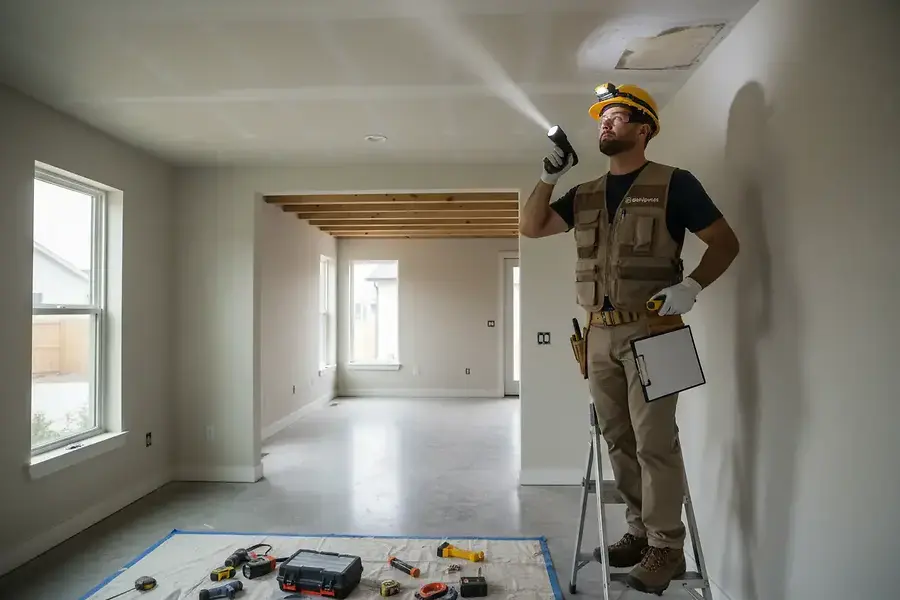
Why Home Inspections Matter
Purchasing a home is one of the most significant financial decisions you'll ever make. Before you sign on the dotted line, a thorough home inspection is essential to protect your investment. A professional home inspector can identify hidden problems that might not be visible to the untrained eye, potentially saving you thousands of dollars in unexpected repairs.
Many buyers skip or rush through inspections, assuming the property looks fine on the surface. However, structural issues, outdated systems, and safety hazards can lurk behind walls and under floors. By conducting a comprehensive inspection, you gain peace of mind and valuable negotiating power to address any concerns with the seller before closing.
A home inspection isn't just a formality—it's your opportunity to make an informed decision about one of life's biggest purchases.
Critical Systems to Evaluate: Roof, Foundation, and HVAC
The Roof: Your Home's First Line of Defense
The roof is one of the most expensive components to replace, making it a critical area of focus during inspection. Look for:
- Missing, cracked, or curled shingles
- Signs of water damage or leaks in the attic
- Sagging roof lines indicating structural problems
- Flashing issues around chimneys and vents
- Age of the roof (most last 20-25 years)
A compromised roof can lead to water damage, mold growth, and structural deterioration. If the roof is nearing the end of its lifespan, factor replacement costs into your offer.
The Foundation: The Backbone of Your Home
Foundation problems are serious and expensive to fix. During inspection, examine:
- Visible cracks in the foundation walls or basement floor
- Water stains or evidence of moisture intrusion
- Uneven or sloping floors
- Gaps between walls and the foundation
- Signs of previous repairs or patching
Minor hairline cracks are normal, but larger cracks or patterns of damage warrant professional evaluation. Foundation issues can compromise the entire structure and lead to costly repairs.
HVAC Systems: Comfort and Efficiency
Heating, ventilation, and air conditioning systems are vital for comfort and indoor air quality. Check:
- Age and condition of the furnace and air conditioning unit
- Whether systems are functioning properly
- Ductwork for leaks or damage
- Thermostat operation and accuracy
- Maintenance records and service history
Replacing an HVAC system can cost $5,000 to $15,000 or more. Understanding the age and condition helps you budget for future replacements.
Interior and Exterior Red Flags You Cannot Ignore
Electrical and Plumbing Systems
These systems are fundamental to daily living and safety. During inspection, verify:
- Electrical panel is properly grounded and up to code
- Outlets and switches function correctly
- No signs of outdated or dangerous wiring
- Water pressure and drainage are adequate
- No visible leaks under sinks or around toilets
- Water heater age and condition
Outdated electrical systems or plumbing issues can pose safety risks and require expensive upgrades.
Structural and Moisture Issues
Water damage and structural problems can be hidden but devastating. Look for:
- Stains on ceilings or walls indicating roof leaks
- Soft spots in flooring suggesting rot
- Mold or mildew growth in basements or crawl spaces
- Evidence of pest damage or infestation
- Cracks in walls or ceilings
These issues can affect the home's structural integrity and your family's health. Don't overlook them.
Windows, Doors, and Insulation
Energy efficiency and weather protection matter for comfort and utility bills. Inspect:
- Windows for broken seals, condensation, or rot
- Doors for proper operation and weatherstripping
- Insulation levels in attic and walls
- Caulking and sealants around openings
Poor insulation and air leaks increase heating and cooling costs. Upgrading these elements can improve comfort and reduce energy expenses.
Exterior Condition
The home's exterior protects everything inside. Evaluate:
- Siding condition and signs of damage or rot
- Gutters and downspouts for proper drainage
- Grading around the foundation to prevent water pooling
- Deck or porch structural integrity
- Driveway and walkway condition
Exterior repairs can be costly, so understanding the condition helps you plan for maintenance and improvements.
Taking Action on Inspection Results
Once you receive the inspection report, don't panic if issues are found. Most homes have some problems—it's about understanding their severity and impact.
Here's what to do next:
- Review the report carefully with your real estate agent and ask questions about findings
- Prioritize issues by severity—safety concerns and major systems take precedence
- Get repair estimates for significant problems to understand costs
- Negotiate with the seller to request repairs, credits, or price reductions
- Consider hiring specialists for concerns that need expert evaluation
- Make an informed decision about whether to proceed, renegotiate, or walk away
Remember, the inspection is your protection. Use it to make a confident, informed decision about your home purchase. A small investment in a thorough inspection now can save you from major headaches and expenses down the road.
"A home inspection is not an expense—it's an investment in your peace of mind and financial security."
Don't rush the inspection process or skip important evaluations. Your future self will thank you for being thorough today.


