The Complete Home Inspection Checklist Every Residential Buyer Needs
Discover the critical items inspectors evaluate and how to protect your investment before closing.

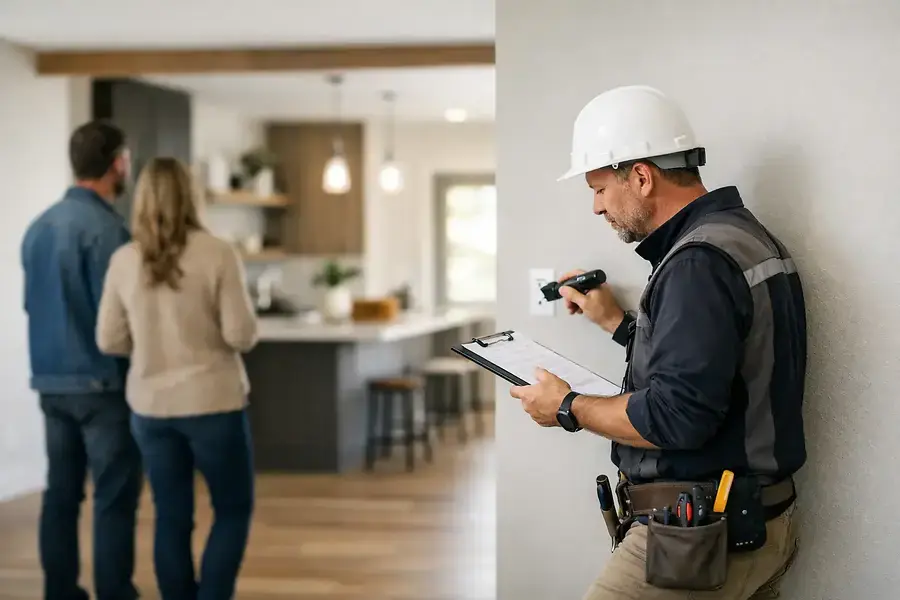
Why Home Inspections Matter for Residential Purchases
Purchasing a home is one of the most significant financial decisions you'll make in your lifetime. Before signing on the dotted line, a professional home inspection serves as your safeguard against costly surprises and hidden defects. A thorough inspection can reveal structural issues, safety hazards, and maintenance problems that could cost thousands to repair after closing.
Home inspectors are trained professionals who evaluate the condition of a property's major systems and components. Their detailed reports provide you with critical information to negotiate repairs, request credits, or make an informed decision about whether to proceed with the purchase. Without a home inspection, you're essentially buying blind, accepting the property in its current condition with no recourse for undisclosed problems.
The inspection process typically takes 2-4 hours and covers both visible and accessible areas of the home. Understanding what inspectors look for helps you prepare questions, identify potential issues early, and protect your investment from day one.
Essential Systems and Structures Inspectors Evaluate
Roof and Exterior
The roof is your home's first line of defense against weather damage. Inspectors examine shingles for wear, curling, or missing pieces, check flashing around chimneys and vents, and assess the overall condition and estimated remaining lifespan. They also evaluate gutters, downspouts, siding, windows, doors, and foundation for cracks, water damage, or deterioration.
Structural Components
Inspectors assess the foundation for cracks, settling, or water intrusion. They examine framing, support beams, and load-bearing walls for signs of damage or pest infestation. Structural issues are among the most expensive to repair, making this evaluation critical to your decision-making process.
Plumbing System
A comprehensive plumbing inspection includes:
- Water pressure and flow rates
- Pipe materials and condition (galvanized, copper, PVC)
- Water heater age and functionality
- Drainage systems and septic conditions
- Signs of leaks or water damage
- Toilet, sink, and fixture operation
Outdated plumbing or corroded pipes can lead to expensive replacements and water damage if not addressed.
Electrical System
Inspectors evaluate the electrical panel, wiring, outlets, and switches for safety and code compliance. They check for outdated systems like knob-and-tube wiring or aluminum wiring, which pose fire hazards. Electrical issues require immediate attention from licensed professionals and should never be overlooked.
HVAC Systems
The heating, ventilation, and air conditioning system is inspected for age, maintenance condition, and functionality. Inspectors test both heating and cooling capabilities and assess ductwork for leaks or blockages. A failing HVAC system can cost $5,000-$15,000 to replace, so understanding its condition is essential.
Interior Components
Inspectors evaluate:
- Walls, ceilings, and floors for damage or water stains
- Doors and windows for proper operation
- Insulation and ventilation adequacy
- Appliances included in the sale
- Basement or crawl space conditions
Red Flags and Common Issues That Affect Property Value
Water Damage and Mold
Water intrusion is one of the most common and costly issues found during inspections. Signs include stains on ceilings or walls, musty odors, soft spots in flooring, or visible mold growth. Mold remediation can be expensive and poses health risks, making this a critical concern for any buyer.
Pest Infestation
Evidence of termites, carpenter ants, rodents, or other pests can indicate structural damage and ongoing problems. Professional pest inspections may be recommended if signs are detected, as treatment and repairs can be substantial.
Outdated or Unsafe Systems
Homes with outdated electrical wiring, old plumbing materials, or non-functional safety features require upgrades. Knob-and-tube wiring, asbestos insulation, or missing GFCI outlets in bathrooms and kitchens are serious concerns that need professional remediation.
Foundation Problems
Cracks in the foundation, uneven settling, or water seepage indicate structural issues that require expert evaluation. Foundation repairs are among the most expensive home improvements and can significantly impact your decision to purchase.
Roof Deterioration
A roof nearing the end of its lifespan (typically 20-25 years) will soon require replacement. Inspectors provide estimates on remaining life, helping you budget for this major expense or negotiate credits with the seller.
HVAC System Age
Systems older than 15-20 years may fail soon. Understanding the age and condition helps you plan for replacement costs and negotiate the purchase price accordingly.
Using Inspection Reports to Make Confident Buying Decisions
Once you receive the inspection report, take time to review it thoroughly. Don't ignore items marked as "safety concerns" or "major repairs needed." These findings give you leverage to negotiate with the seller for repairs, credits, or price reductions.
Consider hiring a specialist inspector for areas of concern. If the general inspector flags electrical, plumbing, or structural issues, a licensed professional in that field can provide detailed assessment and repair estimates.
Use the inspection report to create a prioritized list of repairs and maintenance. Some issues require immediate attention for safety or to prevent further damage, while others can be addressed over time as part of your homeownership plan.
Remember that no home is perfect. The goal of a home inspection is to identify issues so you can make an informed decision and plan your budget accordingly. Armed with a comprehensive inspection report, you'll move forward with confidence, knowing exactly what you're purchasing and what investments you'll need to make.
A home inspection is not an expense—it's an investment in your peace of mind and financial security as a homeowner.


