The Complete Home Inspection Checklist for Albuquerque Homebuyers
Discover what savvy buyers look for during home inspections to avoid costly surprises and negotiate with confidence.

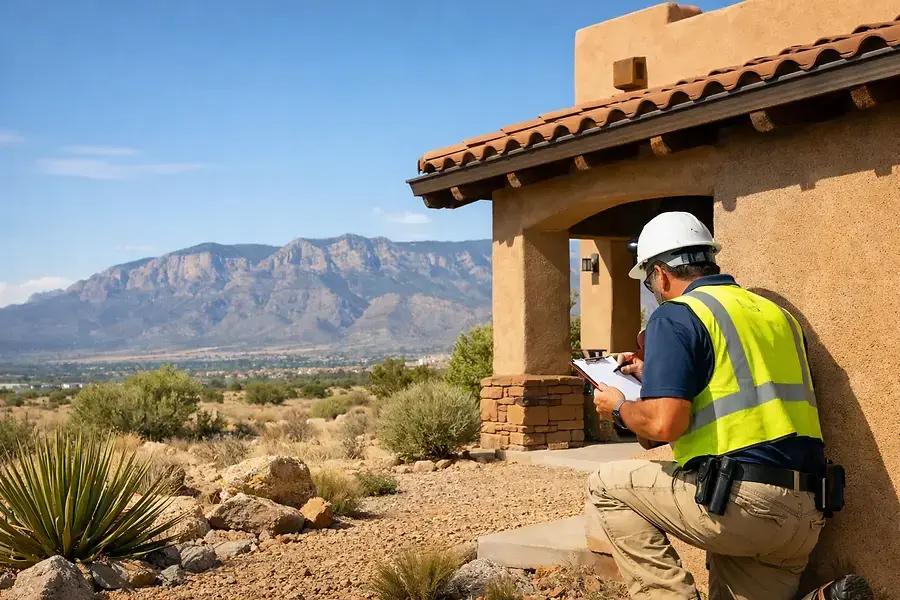
Introduction: Why Home Inspections Matter in Albuquerque
Purchasing a home is one of the most significant investments you'll make in your lifetime. In Albuquerque, where the desert climate presents unique challenges and opportunities, a thorough home inspection becomes even more critical. A professional home inspection can reveal hidden defects, structural issues, and maintenance concerns that could cost thousands of dollars to repair after you've already closed on the property.
Whether you're a first-time homebuyer or an experienced investor, understanding what inspectors look for—and what you should be watching for—empowers you to make informed decisions. This comprehensive checklist will guide you through the essential areas of focus during your Albuquerque home inspection.
Key Areas Inspectors Examine in Desert Climate Homes
Foundation and Structural Integrity
The foundation is the backbone of any home. In Albuquerque's arid climate, soil expansion and contraction can cause foundation issues over time. Inspectors will look for:
- Cracks in the foundation or basement walls
- Signs of settling or uneven floors
- Water damage or moisture intrusion
- Proper grading around the foundation to direct water away from the home
Roof and Exterior Elements
The intense New Mexico sun can be harsh on roofing materials. Inspectors will examine:
- Roof condition, age, and remaining lifespan
- Shingles or tiles for damage, curling, or missing pieces
- Flashing around chimneys, vents, and skylights
- Gutters and downspouts for proper drainage
- Exterior walls for cracks, deterioration, or paint issues
HVAC and Cooling Systems
Air conditioning is essential in Albuquerque. Your inspector will evaluate:
- Age and condition of the air conditioning unit
- Proper refrigerant levels and system efficiency
- Ductwork for leaks or disconnections
- Thermostat functionality
- Heating system condition and safety
Plumbing Systems
Water quality and plumbing integrity are crucial in the desert. Inspectors check for:
- Water pressure and flow rates
- Pipe material and condition (galvanized, copper, or PVC)
- Signs of leaks or water damage
- Septic system condition (if applicable)
- Water heater age and functionality
Electrical Systems
A safe electrical system is non-negotiable. Your inspector will assess:
- Panel condition and capacity
- Proper grounding and bonding
- GFCI outlets in wet areas
- Outdated wiring or potential fire hazards
- Overall system safety and code compliance
Interior Conditions and Appliances
Don't overlook the interior details. Inspectors examine:
- Walls, ceilings, and floors for damage or water stains
- Windows and doors for proper operation and sealing
- Appliances included in the sale for functionality
- Insulation levels in attic and walls
- Ventilation in bathrooms and kitchen
Red Flags to Watch For and How to Respond
Water Damage and Moisture Issues
Why it matters: Water damage can lead to mold, structural deterioration, and costly repairs. In Albuquerque's monsoon season, proper drainage is critical.
How to respond: Request a detailed moisture assessment and ask the seller for documentation of any previous water issues. Consider hiring a specialist for further evaluation if concerns arise.
Roof Problems
Why it matters: A failing roof can cost $10,000 to $25,000+ to replace. The intense sun exposure in Albuquerque accelerates roof deterioration.
How to respond: If the roof is nearing the end of its lifespan, negotiate a credit toward replacement or request the seller replace it before closing.
Outdated Electrical Systems
Why it matters: Older electrical systems may not safely handle modern power demands and pose fire hazards.
How to respond: Obtain quotes for electrical upgrades and use this information in your negotiation. This is a safety issue that shouldn't be ignored.
HVAC System Age and Condition
Why it matters: Air conditioning systems typically last 10-15 years. Replacement can cost $5,000 to $10,000.
How to respond: Ask for maintenance records and get a professional evaluation of the system's remaining lifespan. Factor replacement costs into your offer.
Foundation Cracks or Settling
Why it matters: Structural issues are expensive and can affect the home's safety and resale value.
How to respond: Have a structural engineer evaluate significant cracks. Small, hairline cracks are often normal, but larger ones warrant professional assessment.
Pest Damage or Infestation
Why it matters: Termites, wood-boring beetles, and other pests can cause extensive structural damage in desert climates.
How to respond: Request a separate pest inspection and ask the seller to address any infestations before closing.
Conclusion: Making Informed Decisions with Inspection Reports
A comprehensive home inspection is your opportunity to uncover potential issues before committing to one of life's biggest purchases. In Albuquerque, where desert conditions present specific challenges, understanding what inspectors look for helps you ask the right questions and make confident decisions.
Remember these key takeaways:
- Always hire a licensed, experienced home inspector familiar with Albuquerque properties
- Attend the inspection and ask questions about any concerns
- Use the inspection report as a negotiation tool, not a deal-breaker
- Prioritize major systems (roof, HVAC, electrical, plumbing) over cosmetic issues
- Consider getting specialist inspections for significant concerns
By following this checklist and staying vigilant during your home inspection, you'll be well-equipped to navigate the Albuquerque real estate market with confidence. Your thorough due diligence today can save you thousands of dollars and countless headaches tomorrow.


